
Lebanon war satellite images help displaced residents check homes
Displaced villagers barred from returning to south Lebanon are buying satellite imagery to see whether Israeli strikes and demolitions left homes standing.
By Sofia Marchetti · World Affairs Correspondent
4 min read
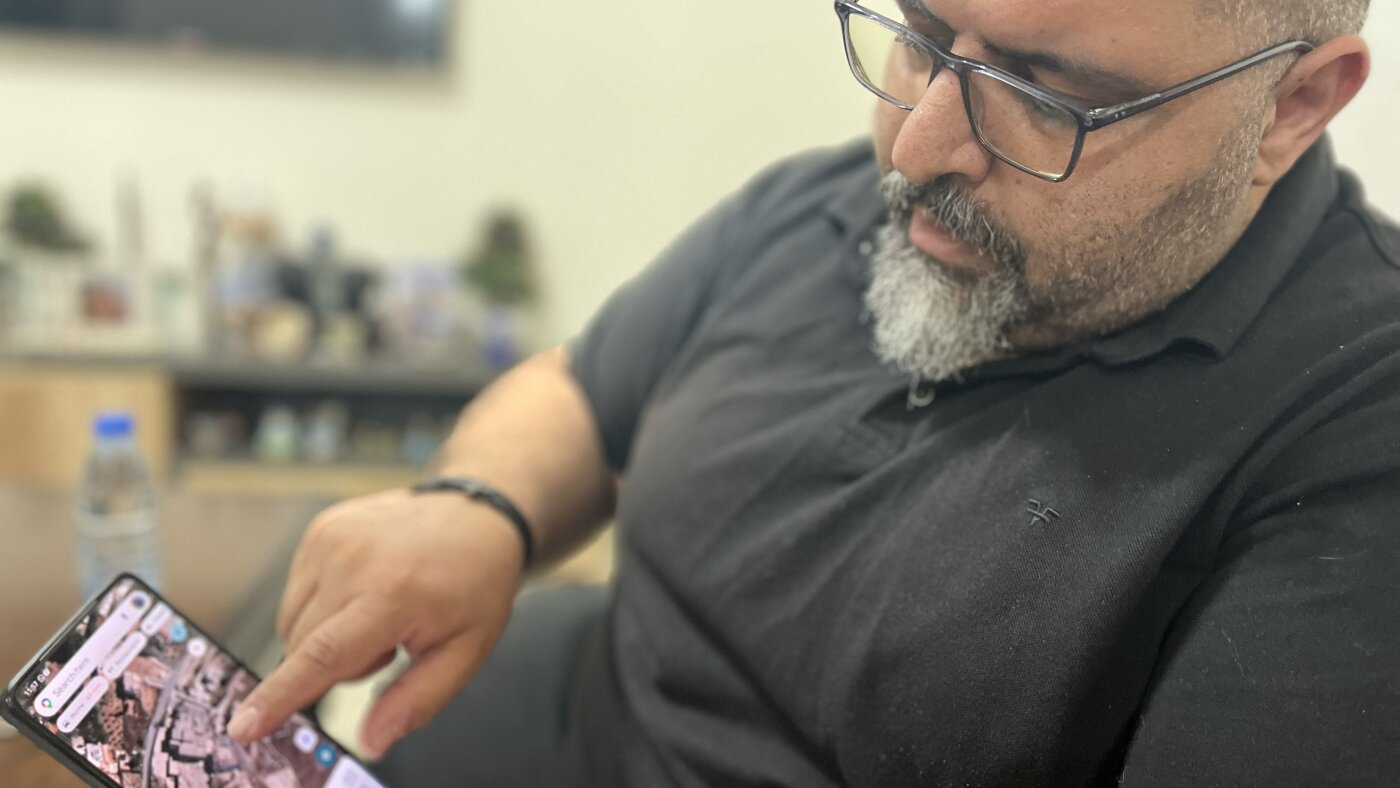
Lebanon war satellite images have become a way for displaced residents of southern villages to learn whether their houses survived fighting and demolitions they cannot see in person. NPR reported that residents from Yaroun and nearby communities are pooling money to buy commercial images because Israel is preventing them from returning, even for short visits.
The practice reflects the difficulty of documenting damage in areas along the Israel-Lebanon border. NPR reported that people in neighboring villages are also reluctant to take photos or video because they fear Israeli retaliation.
Why are Lebanese using satellite images to check homes?
Residents are using satellite imagery because they are barred from reaching their villages and cannot reliably get on-the-ground pictures. Commercial satellite images can show whether roofs, walls and entire neighborhoods remain standing, even when the images are blurry.
Mazen Farah, a Yaroun resident interviewed by NPR, used images on his phone to identify damage to the two-story stone house his father built after decades of work in the Gulf. He told NPR the satellite view showed the family home had been destroyed.
Farah said villagers buy images individually or collect money for purchases. NPR reported that each image costs at least $112, though providers sometimes say they cannot supply pictures for requested locations and later issue refunds. The BBC reported in April that some satellite companies had declined to provide images of Lebanon and other countries after a U.S. government request.
What happened in Yaroun?
Israel launched airstrikes in March during renewed fighting with Hezbollah, the Iran-backed militant group, NPR reported. The strikes displaced hundreds of thousands of people from more than 100 villages, according to NPR.
After an April 17 ceasefire, Israeli bulldozers demolished additional buildings in southern Lebanon, NPR reported. Israel says it is targeting Hezbollah infrastructure, but NPR reported that it rarely releases detailed evidence for those claims.
Yaroun Mayor Hafez Ghacham told NPR that Israeli forces have destroyed 180 of the village’s roughly 200 homes since the current round of fighting began in March. NPR said the Israeli military did not respond to its requests for comment on destruction in the village.
Riad al-Ridha, another local official, told NPR that the village’s landmarks were hit, including a convent, a church, three mosques and another Shiite Muslim religious center. Israel denied destroying the convent, NPR reported, and pointed to images of a different building that it said was the convent, despite satellite imagery and video cited by residents.
Homes built from decades abroad
NPR reported that many Yaroun property owners live abroad, including in the United States, Canada and Australia, after earlier waves of emigration during Israel’s 18-year occupation of southern Lebanon, which began in 1982. Many built homes in the village and returned for summer visits.
Hanna Farah, Mazen Farah’s father, had repaired damage to his house after the November 2024 ceasefire and returned before war resumed in March, NPR reported. His son said the family rejects claims that the house was used by Hezbollah and said security cameras around the property had not shown such activity before internet service was cut.
NPR also reported on other property owners who learned of losses through satellite pictures. Hanna, a Yaroun property owner in New York state, said an image showed his 92-year-old mother’s home had been razed, and a later image showed more houses gone. His brother Nehmi said a blurry satellite image showed the home he and his wife had spent years saving to build was no longer standing.
In nearby Bint Jbeil, Qasem Fares, who lives in Panama, told NPR that his 12-bedroom home had been destroyed. He said he spent more than $10 million building the four-story house, where he had spent summers with his children and grandchildren.
The U.S. gives Israel about $3.8 billion a year in military aid on average, according to the Council on Foreign Relations. Some American citizens who own property in southern Lebanon told NPR they see that support as part of the pain of losing homes built with savings earned abroad.
For displaced residents, the images are serving as both evidence and warning. Mazen Farah told NPR he hopes Lebanon’s borders and international law will allow villagers to go back and rebuild, while older residents worry they may not see Yaroun again.
This story draws on original reporting from NPR.