
Korean adoptees press for accountability over falsified overseas adoptions
After state findings of rights abuses, overseas Korean adoptees say apologies and reunions are not enough without records, investigations and accountability.
By James Whitfield · Staff Writer
4 min read
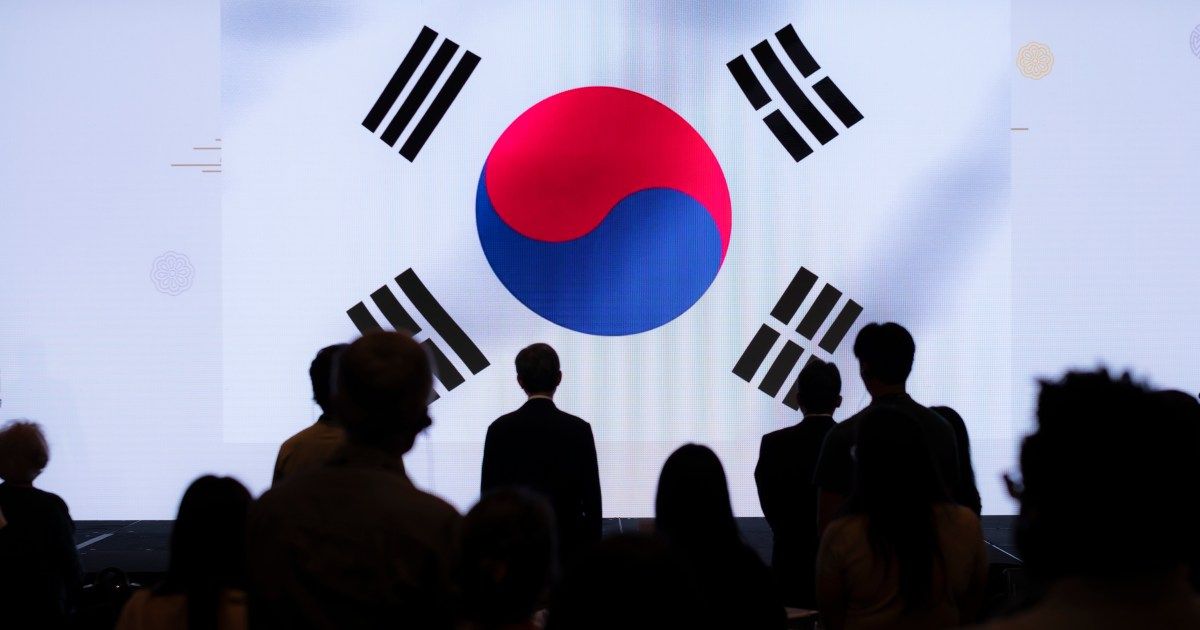
Overseas Korean adoptees are pressing South Korea for accountability after official findings that the country’s adoption system sent children abroad through falsified records and other rights violations. The demands matter because about 200,000 South Korean children were adopted overseas, and advocates say many still cannot verify who they are or how they were separated from their families.
Al Jazeera reported that Marie Wang, who was adopted to Denmark in the early 1990s, requested her adoption file in 2023 after hearing of irregularities in other cases. Wang told Al Jazeera that the file said her birth mother had believed she was dead and that a doctor at the clinic where she was born had helped arrange the adoption.
Wang said Korea Social Service, the adoption agency involved in her case, later refused to provide more information, citing privacy rules. She said her adoptive parents would not have proceeded had they known she may have been separated from relatives who thought she had died.
Mia Lee Hansen, also adopted to Denmark through Korea Social Service, described a similar experience to Al Jazeera. She said an agency representative told her and her adoptive parents during a 2011 visit to South Korea that parts of her file had been fabricated.
Hansen later used commercial DNA testing and matched with a cousin in the United States, according to Al Jazeera. In 2022, she met her birth family in South Korea and said relatives told her they had been informed she died after a premature birth in Gwangju in 1987.
State findings put pressure on Seoul
South Korea’s Truth and Reconciliation Commission concluded last year that the government had a central role in overseas adoptions marked by human rights violations, according to Al Jazeera. After investigating 367 cases over nearly three years, the commission found falsified records, altered identities, registrations that wrongly portrayed children as abandoned orphans, and failures to secure lawful consent from birth parents.
Those findings followed a 2024 investigation by The Associated Press and PBS Frontline, cited by Al Jazeera, which found that South Korean authorities, adoption agencies and Western partners helped send roughly 200,000 children abroad despite evidence that some had been separated from families through coercion or deception. That investigation also found agencies paid hospitals and orphanages for babies and young children.
President Lee Jae Myung issued an apology last year to adoptees and their birth and adoptive families, saying he felt sorrow over the distress many had experienced after being sent abroad as children, Al Jazeera reported. South Korea has since joined the Hague Convention on intercountry adoption, moved authority over overseas adoptions from private agencies to the state and pledged to end intercountry adoptions by 2029.
Adoptees and advocates told Al Jazeera those steps have not answered the central questions. Lee Do-hyun, founder of KoRoot, an organisation supporting overseas adoptees, said the government should focus first on investigating the responsibility of South Korean society and the state.
Records remain a barrier
Peter Møller, who works with KoRoot and the truth-seeking process, told Al Jazeera that police rejected some cases recognised by the commission without substantial investigation. He said the first five involved children who had been falsely declared dead, but police dismissed them because the statute of limitations had expired.
Access to records remains contested. Al Jazeera reported that the Seoul Administrative Court last year sent part of the Special Adoption Act to the Constitutional Court, questioning whether rules requiring birth parents’ consent before adoptees can obtain identifying information may violate basic rights. The case is pending.
KoRoot has reviewed more than 4,000 adoption files since 2021, Møller told Al Jazeera, and has not found a case in which every detail was accurate. The group has also asked the Truth and Reconciliation Commission to examine what it describes as an unusually high number of premature births among overseas adoptees.
Anders Riel Muller, a professor at the University of Stavanger in Norway, was among 56 adoptees whose cases the commission recognised as state-sponsored human rights violations, according to Al Jazeera. He was placed in an orphanage in 1980 without his parents’ knowledge, then listed as an orphan under a false name and birth date even though the agency knew his parents were alive.
Muller told Al Jazeera that recognition validated his case but did not repair what was lost. He said many adoptees are seeking answers and accountability rather than symbolic gestures or assumptions that adoption overseas gave them better lives.
This story draws on original reporting from Al Jazeera.