
Kenya tracks polio risk through volunteers in remote northern counties
Community health volunteers investigate sudden paralysis cases where wastewater testing cannot reach, Al Jazeera reported.
By Sofia Marchetti · World Affairs Correspondent
3 min read
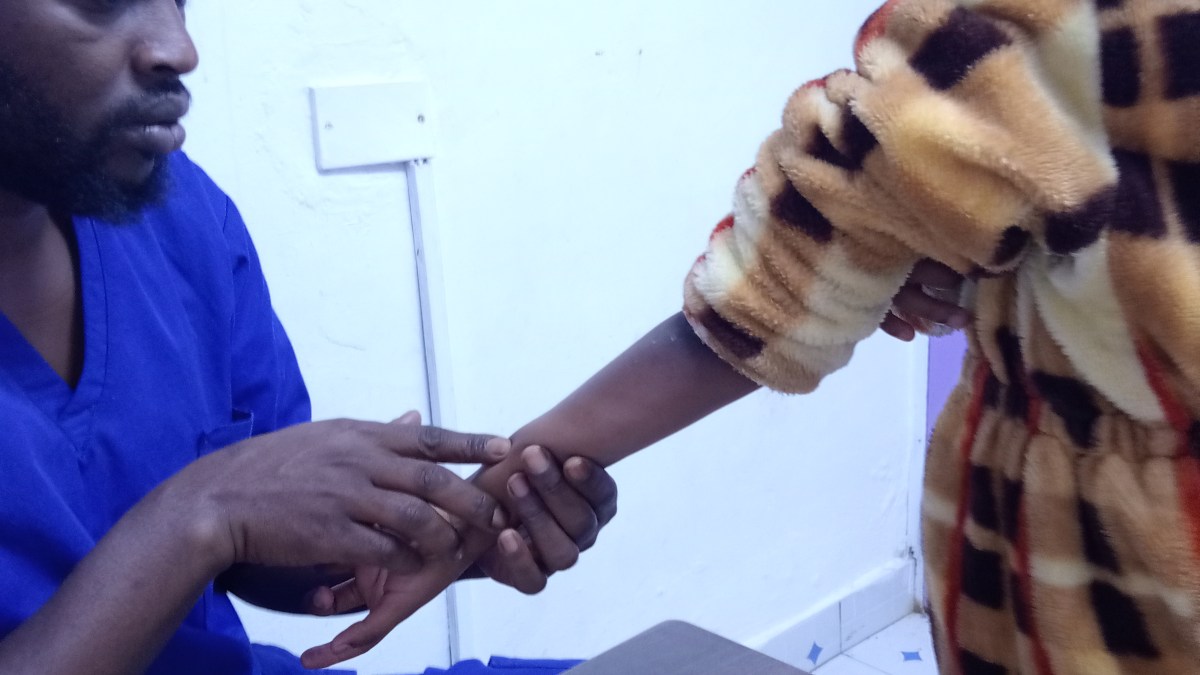
Kenya is using community health volunteers to look for signs of polio in remote northern areas where formal surveillance systems have limited reach. The work matters because vaccine-derived poliovirus can spread quietly in communities where too few children have been immunised, even though Africa has eliminated wild poliovirus, Al Jazeera reported.
Kenya has not recorded a wild polio case since 2013, according to Al Jazeera. Health officials remain concerned about vaccine-derived strains, which can emerge when the weakened virus used in oral polio vaccine circulates and mutates in under-immunised populations.
In Nairobi, officials test wastewater for poliovirus and can detect traces before symptoms appear, Dr Galm Glelo, the Ministry of Health’s national point person for polio surveillance, told Al Jazeera. But that method depends on sewer systems, which are absent in many sparsely populated northern areas.
In counties such as Samburu and Turkana, surveillance relies on people such as Eroi Lemarkat, a community health volunteer who follows reports of children who suddenly cannot walk or have lost movement in an arm or leg. Such cases, known as acute flaccid paralysis, may be caused by polio or by other illnesses, Al Jazeera reported.
Following reports before evidence disappears
Lemarkat told Al Jazeera that he often rides for hours by motorbike to reach isolated families after hearing local reports of paralysis. News of a child’s condition may pass through neighbours, elders and local leaders before reaching health workers.
Health teams must collect two stool samples within 14 days after paralysis begins to improve the chance of detecting poliovirus, according to Al Jazeera. Lemarkat described the work as a race against time, saying a late arrival can mean losing the chance to confirm whether polio caused the paralysis.
A missed case can allow transmission to continue undetected, especially in places where children rarely reach clinics, Al Jazeera reported. Volunteers therefore investigate rumours rather than waiting for families to seek medical care.
Trust and movement complicate surveillance
Before approaching parents, Lemarkat often seeks help from village elders, chiefs or religious leaders so families understand why stool samples are needed, according to Al Jazeera. He said a careless approach can prompt a family to leave before samples are collected, leaving a possible outbreak untracked.
Surveillance is harder along Kenya’s border with Somalia, where pastoralist families move in search of water and grazing land. Dr Emmanuel Okunga, who heads disease surveillance at Kenya’s Ministry of Health, told Al Jazeera that nomadic communities cross borders frequently and do not pay attention to health jurisdictions.
Dr Pius Mutuku of the Ministry of Health’s Public Health Emergency Operations Centre told Al Jazeera that teams on both sides of the border need to work together so migrating children are not missed. That coordination is part of Kenya’s effort to contain any sign of poliovirus before it spreads further.
Lemarkat has spent more than five years building relationships with families in the region, Al Jazeera reported. He said the work is demanding but necessary because every child must be protected.
This story draws on original reporting from Al Jazeera.