
Burned towns and shuttered clinics deepen crisis in South Sudan’s Jonglei
Satellite analysis, aid groups and residents point to widespread destruction during a government counteroffensive in Jonglei State.
By James Whitfield · Staff Writer
4 min read
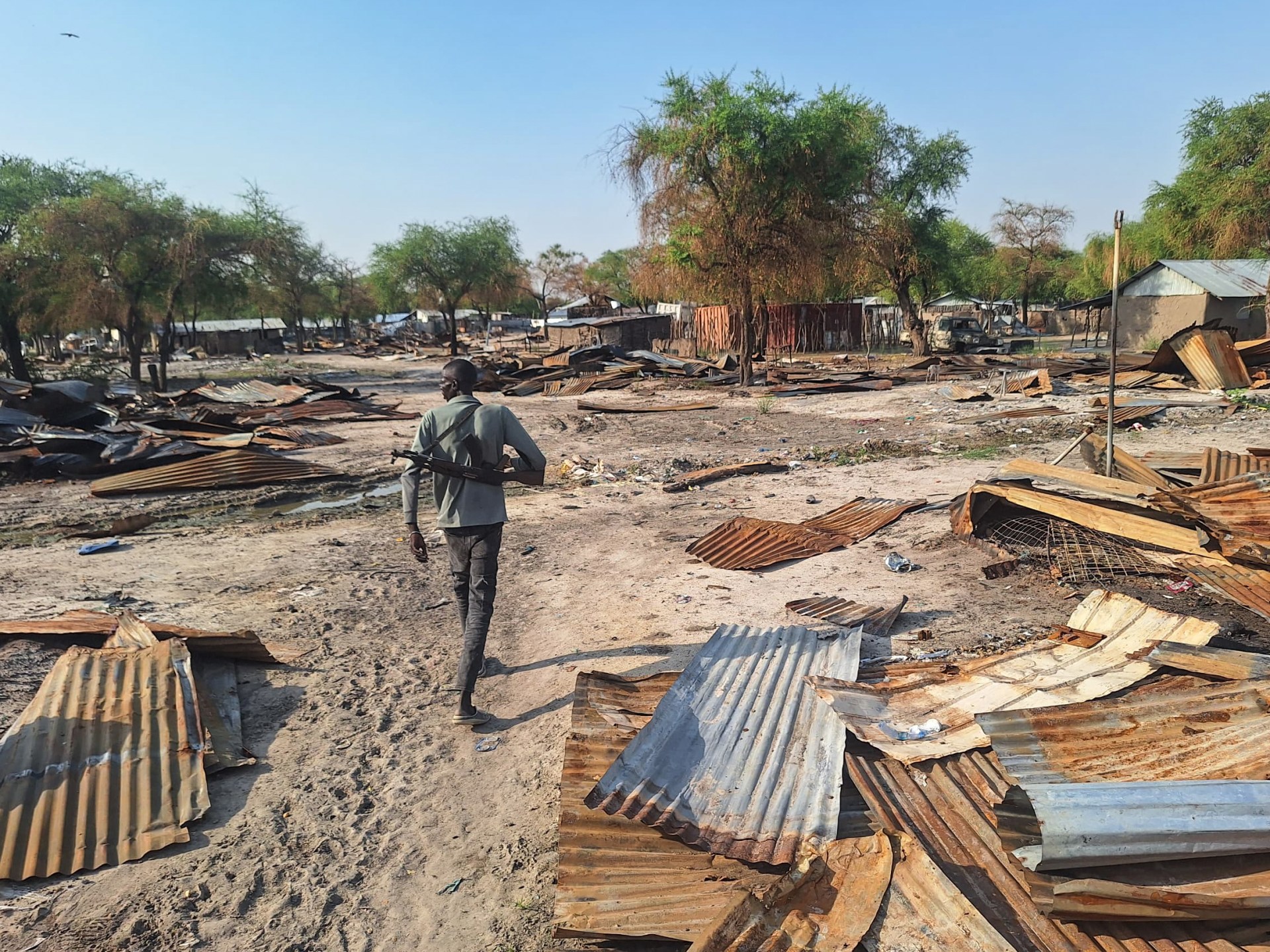
South Sudan’s counteroffensive in Jonglei State has left health centres, markets and villages destroyed, according to residents, aid workers and satellite analysis cited by Al Jazeera. The damage threatens civilians in an area where the UN-backed hunger monitor says parts of the population already face famine risk.
The fighting escalated after opposition forces seized several military positions in Jonglei, prompting the government to announce “Operation Enduring Peace” on January 28, Al Jazeera reported. Government forces then advanced east through areas long held by opposition groups, pushing fighters toward the Ethiopian border.
In Lankien, Doctors Without Borders, known as MSF, evacuated its hospital shortly before a February 3 bombing hit the empty facility, according to the group. Al Jazeera reported that patients included women in labour and people being treated for gunshot injuries.
Residents told Al Jazeera that mortar fire hit Lankien on February 7 and that civilians fled into marshland. Some who returned described a hospital that had been looted and burned, vehicles damaged and stripped, water systems taken apart, a burned cold-chain unit for vaccines and a market reduced to wreckage.
Emmerson Gono, MSF’s deputy head of mission, told Al Jazeera after visiting Lankien in April that, in his assessment, items needed to sustain civilian life had been intentionally destroyed. MSF has said government forces controlled Lankien after the attack, but the group has not assigned responsibility for the destruction.
Satellite evidence and witness accounts
The Centre for Information Resilience said satellite imagery, verified videos, photographs and witness accounts showed broad destruction across Jonglei between late January and February, Al Jazeera reported. CIR documented 23 incidents in that period and said many involved burned or looted civilian structures, including homes, clinics and markets.
CIR researcher Kiria Borak told Al Jazeera that mapped troop movements from west to east were followed by burning and looting. She also said satellite imagery by itself cannot prove who was responsible or establish intent.
More than a dozen residents told Al Jazeera they believed government forces carried out targeted destruction in the area. Al Jazeera said it could not independently verify those accounts because access to the area is restricted.
Government officials did not respond to Al Jazeera’s requests for comment on the specific allegations. Authorities have previously said military action is carried out in self-defence and that civilians are not deliberately targeted, according to Al Jazeera.
Government-appointed officials told Al Jazeera that opposition fighters looted Lankien as they withdrew. Opposition representatives denied that claim and said their forces were not there at the time. Al Jazeera said neither account could be independently verified.
Residents describe attacks
Five people who fled Lankien described the February 7 assault to Al Jazeera. They said forces aligned with the government reached the edge of town after fighting nearby, mortar rounds landed in Lankien and ground troops arrived in armoured vehicles.
One resident, Gai Ket, told Al Jazeera he returned from cutting firewood after hearing explosions and found smoke, burning homes and his wife dead. Another resident, Puoch Duol, said he later found his grandmother’s body near burned houses.
Residents in other towns gave Al Jazeera similar accounts of armed men in military-style clothing arriving in armoured vehicles after opposition fighters were said to have withdrawn. CIR also geolocated footage from Pathai showing fighters near burning structures, though Al Jazeera said the identities of the people in the video could not be independently confirmed.
Health and hunger risks
The UN says at least 28 health facilities in Jonglei have been damaged or looted this year, and 70 percent are no longer operating, according to Al Jazeera. Aid agencies warn that the destruction will affect public health and food security for months.
The Integrated Phase Classification, a UN-backed food security analysis body, says several counties face a risk of famine and more than 70,000 people are already in the most severe hunger category, Al Jazeera reported.
Nicholas Kerandi of the UN Food and Agriculture Organization told Al Jazeera the effects on food security and health are likely to continue through the rest of the year and possibly longer. Human rights advocate Ter Manyang Gatwech told Al Jazeera that distrust between communities and the state has deepened as violence spreads.
This story draws on original reporting from Al Jazeera.