
John L Esposito, Georgetown scholar of Islam, dies at 86
The professor wrote more than 55 books and became a leading Western interpreter of Islam, politics and Muslim societies.
By Lucas Ferreira · Science & Environment Writer
3 min read
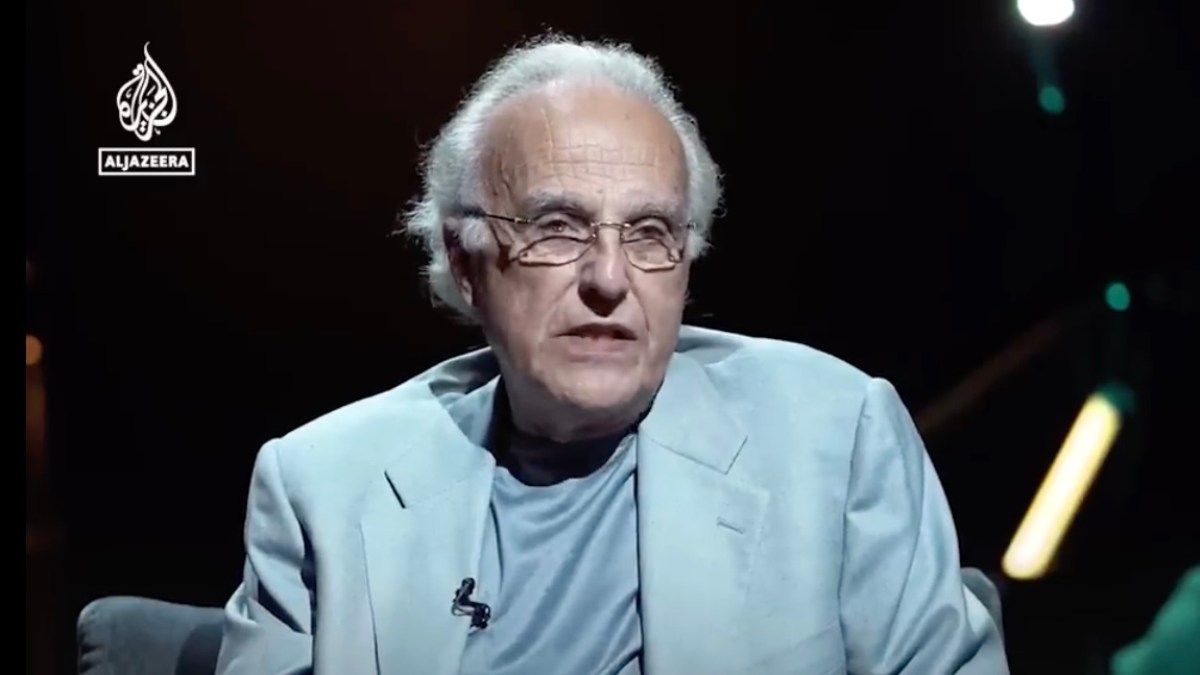
John L Esposito, a Georgetown University scholar whose work brought Islam and Muslim societies into wider Western academic and policy debate, died on July 15, 2026, after complications from heart surgery, Al Jazeera reported. He was 86.
Nader Hashemi, writing for Al Jazeera, described Esposito as a major figure in the study of religion and international affairs whose books shaped discussion of Islam-West relations after the 1979 Iranian revolution and the September 11 attacks.
Esposito published more than 55 books, many through Oxford University Press, according to Hashemi. His work was translated into dozens of languages and was widely used in academic, media and government circles as interest in Islam and politics grew in the West.
From Brooklyn to Islamic studies
Esposito was born in 1940 to a working-class Italian-American family in Brooklyn, New York, according to Hashemi. His mother was a devout Catholic, and his father’s views on social justice also influenced him.
He initially planned to become a Catholic priest and joined the Capuchin Franciscan Order as a young man. He later left the seminary before ordination and pursued graduate study instead.
Esposito earned a doctorate in religious studies at Temple University, where he studied under Ismail al-Faruqi, the Palestinian-American scholar of religion, Hashemi wrote. When Esposito entered the job market in 1974, Islamic studies had little presence in many universities, and Hashemi said only one advertised position in the field was available.
A scholar in demand after global crises
Hashemi wrote that Esposito often joked that his career had been shaped by two figures who drove Western attention to Islam and politics: Ayatollah Khomeini after the Iranian revolution and Osama bin Laden after 9/11.
Those events made Esposito’s expertise sought after by journalists and governments, according to Hashemi. Esposito responded with books on political Islam, Islamic ideals, Muslim social and political life, and relations between Muslim-majority societies and the West.
Hashemi said Esposito’s work challenged dominant Western interpretations that treated Islam mainly through the lens of security threats, violence and disorder. He placed Esposito in contrast with scholars such as Bernard Lewis and Samuel Huntington, whose arguments about Muslim anger and civilizational conflict had broad influence in policy and media circles.
According to Hashemi, Esposito criticized what he saw as a secular bias in Western social science, especially theories that assumed religion would fade as societies modernized. Esposito argued that Muslim political life should be understood through local histories, social conditions and religious identities, rather than only through Western assumptions.
Hashemi wrote that Esposito’s analysis of political Islam focused less on Western fears over Islamic law and more on the grievances and aims that drew support to Islamist movements, including dignity, justice, self-determination and resistance to outside domination.
Esposito is survived by his wife, Jean Esposito, to whom he was married for 61 years, according to Al Jazeera.
This story draws on original reporting from Al Jazeera.