
Ivorian firms gain ground in fuel, fintech and cosmetics
Petro Ivoire, Djamo and Kaira Holding are growing in markets long led by foreign companies, according to Al Jazeera.
By Sofia Marchetti · World Affairs Correspondent
3 min read
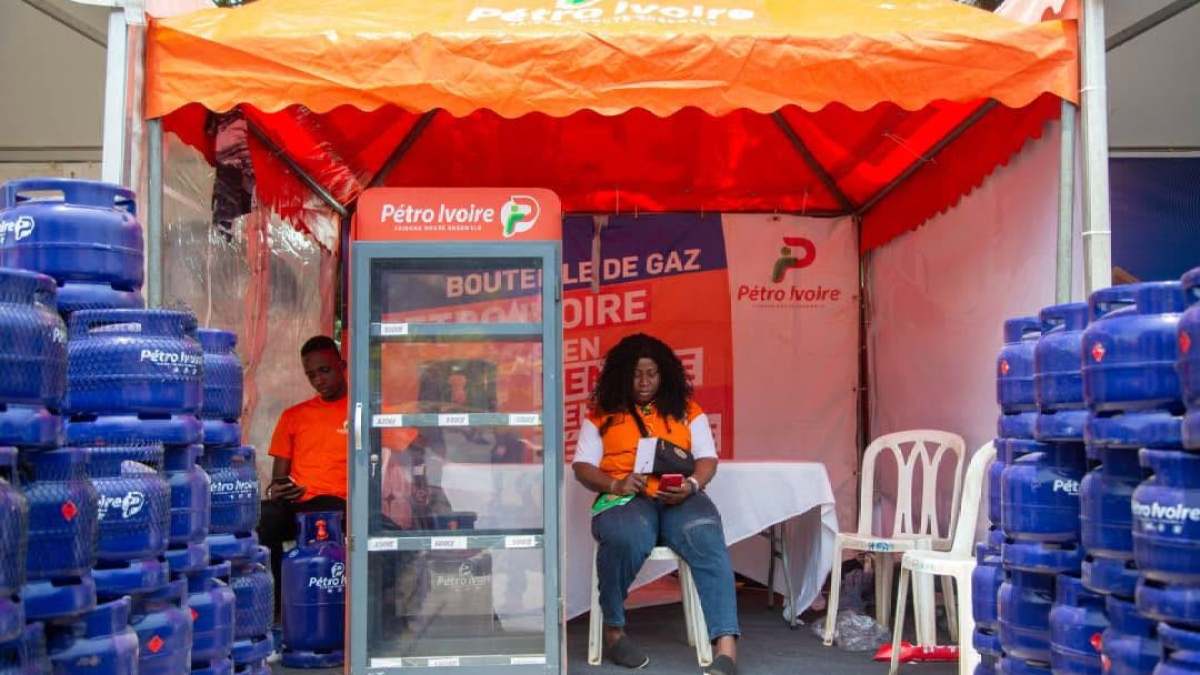
Several Ivorian companies are expanding in sectors where multinational brands have long held strong positions, Al Jazeera reported. The shift matters because it shows domestic firms building scale in fuel distribution, digital finance and manufacturing while foreign companies remain powerful players in Ivory Coast’s economy.
Al Jazeera highlighted three businesses: Petro Ivoire, Djamo and Kaira Holding. Their growth has come from faster local decision-making, close knowledge of customers and investment in production capacity, according to executives interviewed by the network.
Petro Ivoire grows in fuel distribution
Petro Ivoire entered the petroleum market in 1994, at a time when international oil companies held much of the sector, according to Al Jazeera. The company now says it is the largest locally owned fuel distributor in Ivory Coast and ranks third overall behind TotalEnergies and Shell.
Sebastien Kadio-Morokro, Petro Ivoire’s chief executive, told Al Jazeera the company’s founders believed local experience could be paired with international standards. He said the firm’s Ivorian ownership helps it act faster than competitors that must seek approval through overseas headquarters.
The company says it has about 15 percent of the national fuel market. Petro Ivoire also moved into butane gas in 2007 and says it now leads that sector, while investing in electric-vehicle charging as the country prepares for changes in transport and energy use.
Djamo targets digital banking customers
Djamo, launched in Ivory Coast in 2020, offers accounts, savings and investment products through a mobile app, according to Al Jazeera. The company says it serves more than two million customers and 10,000 small and medium-sized enterprises.
Hassan Bourgi, a cofounder of Djamo, told Al Jazeera that one of the company’s main early challenges was convincing venture capital investors to take francophone West Africa seriously. He said investors had historically focused on Nigeria, Kenya, South Africa and Egypt when backing African technology companies.
Djamo sought to show that a company based in a francophone market could grow beyond its home country, Bourgi told Al Jazeera. He said the company built its product around younger users already accustomed to digital services.
Kaira Holding expands from Abidjan
Kaira Holding began in 2009 in a two-room apartment in Abidjan, according to Al Jazeera. Founder Fode Kaira Yatabare told the network he started the cosmetics business with four million CFA francs, about $7,000, to make soap.
The company now exports beauty and personal care products to 32 countries in Africa, Europe and the Middle East, Al Jazeera reported. Yatabare said Kaira Holding has invested in packaging, printing and manufacturing to reduce reliance on imported inputs.
Yatabare told Al Jazeera that integrating more of the supply chain has made the company more competitive. Kaira Holding is expanding its research capacity and preparing to enter additional markets, including China, according to the report.
The growth of these companies comes as the International Finance Corporation and Ivory Coast’s employers’ association, CGECI, run programmes meant to help promising businesses improve financing, management and regional expansion, Al Jazeera reported. The cases do not show multinationals leaving Ivory Coast, but they point to domestic firms becoming stronger competitors in key consumer markets.
This story draws on original reporting from Al Jazeera.