
Israeli envoy rejects Lebanon pullout under Iran deal
Michael Leiter told NPR that any U.S.-Iran understanding does not require Israel to leave southern Lebanon.
By James Whitfield · Staff Writer
2 min read
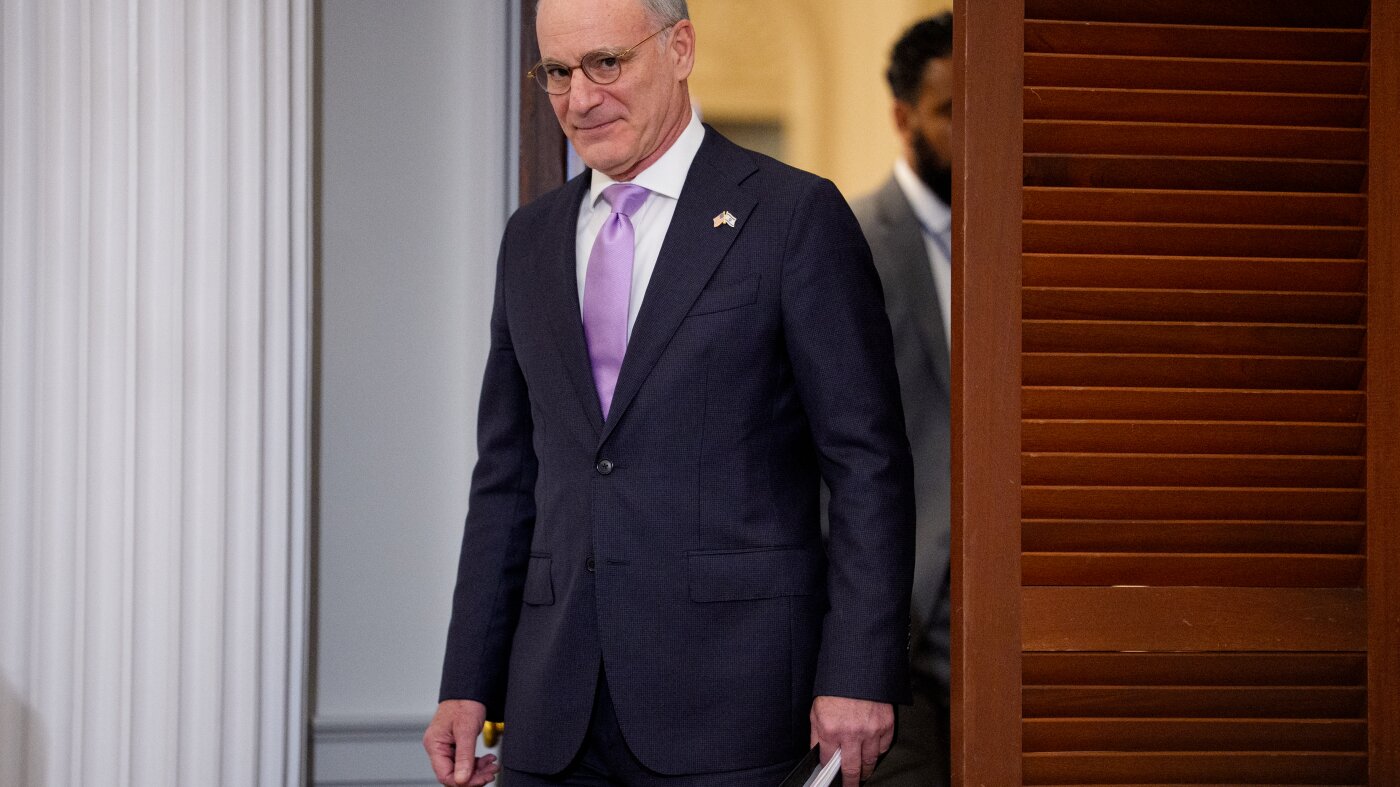
Israel’s ambassador to the United States said Israel plans to keep its forces in southern Lebanon, a position that could complicate a U.S.-backed effort to end fighting with Iran. Michael Leiter’s comments to NPR’s Morning Edition put Israel at odds with Iranian officials who have described Lebanon as part of a broader ceasefire understanding.
Leiter told NPR’s Steve Inskeep that Israel is “not going to withdraw from South Lebanon.” He also said Iranian officials had no role in deciding Israel’s posture there.
The dispute centers on an agreement the Trump administration says it has reached with Iran. According to NPR, the proposed 60-day ceasefire is meant to create space for talks on Iran’s nuclear program and other unresolved issues.
Iranian officials have said the halt in fighting would apply beyond Iran and Israel. NPR reported that Iran’s deputy foreign minister said the cessation would cover “all fronts,” including Lebanon.
Leiter rejected that reading in the NPR interview. He said the Trump administration had been clear that any arrangement with Iran “has nothing to do with our withdrawal from South Lebanon.”
Israeli officials signal a firm line
Leiter’s statement matched comments from Israeli Defense Minister Israel Katz, who said this week that Israel would not pull back from Lebanon, Syria or Gaza despite pressure, according to NPR. The ambassador’s remarks add to questions about how far any U.S.-Iran deal can reach if Israel does not accept parts of Iran’s interpretation.
The Lebanon issue is tied to Israel’s campaign against Hezbollah. NPR asked Leiter about the human cost of the offensive, citing Lebanese health authorities who say roughly 3,700 Lebanese have been killed and about 1 million people have been displaced.
Leiter responded that “the people we’ve killed are Hezbollah terrorists,” according to NPR. He added that Israel does not target civilians.
The interview also touched on Iran’s nuclear program, which the Trump administration says could be addressed in follow-on negotiations after the ceasefire begins. Leiter said any lasting agreement would need to prevent Iran from obtaining a nuclear weapon and allow verification “at any time, anywhere, under any circumstances.”
The differing accounts from Israel and Iran leave a central issue unresolved: whether the proposed pause in fighting is limited to the direct conflict with Iran or extends to other fronts where Iranian-backed groups and Israel have been engaged. NPR reported that the Trump administration says it has made a deal with Iran, but Leiter’s comments show Israel is drawing its own boundaries around what that deal can require.
This story draws on original reporting from NPR.