
Israeli conservationist works to protect Jerusalem’s ancient swift nests
Amnonn Hahn is installing nesting boxes for common swifts as modern construction erases the crevices they use to raise young.
By Sofia Marchetti · World Affairs Correspondent
3 min read
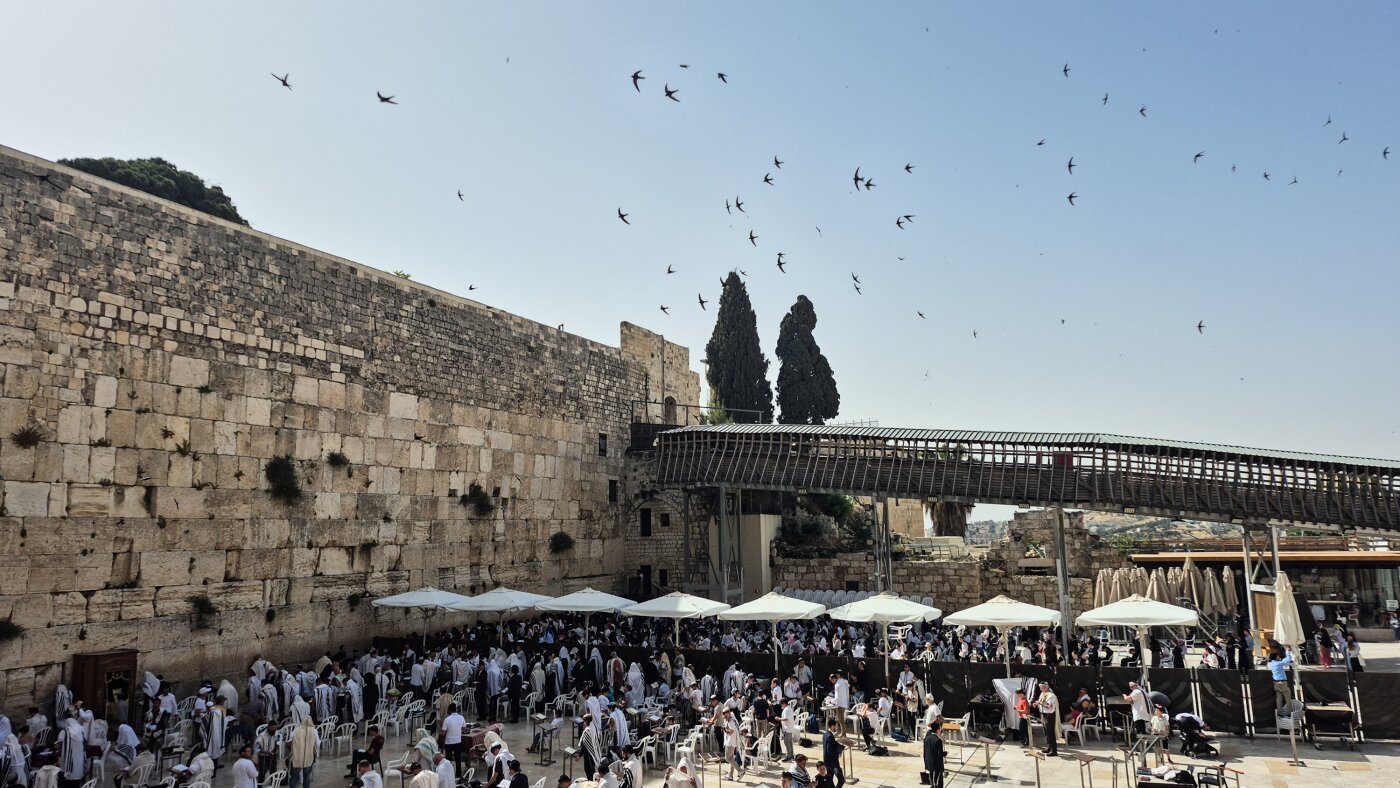
Common swifts that return each spring to Jerusalem’s Western Wall are losing nesting places as modern construction seals the gaps they depend on, NPR reported. Amnonn Hahn, an Israeli paraglider and head of the Friends of the Swifts Association in Israel, has made their protection a personal project.
NPR reported that the birds migrate about 2,800 miles from Africa and appear at the Western Wall between February and June, when their calls mix with prayers at the Jewish holy site. A rabbi holds an annual ceremony there to mark their arrival, according to NPR.
Researchers cited by NPR believe swifts have nested in the wall’s stone openings since Herodian times, about 2,000 years ago. Experts have counted at least 88 nests at the site in recent years, NPR reported.
Old nests, new threats
Hahn told NPR that swifts adapted over time to life near people, using spaces around shutters, roof tiles and masonry. He said newer glass-fronted buildings and cleaner construction leave fewer cavities where the birds can nest.
NPR reported that common swifts are declining across Europe, with Britain’s population down by about 70% since the mid-1990s. Scientists attribute the drop to fewer insects, unstable weather linked to climate change and the loss of nesting sites, according to NPR.
Hahn said the pressure on nesting space can force birds into poor locations, including small holes in damaged brickwork. He told NPR that when chicks grow, crowded nests can push at least one young bird out.
By 2018, people were bringing dozens of fallen swift nestlings to the Israeli Wildlife Hospital, NPR reported. The hospital contacted Hahn for help, and he began placing rescued chicks with adult swifts using larger nesting boxes near his home.
Hahn told NPR the adult birds accepted the fostered chicks and fed the newcomers. He said the response surprised him because the parents appeared to recognize which bird was hungriest.
A paraglider’s turn to conservation
Hahn told NPR his attachment to swifts began during a national paragliding championship in 1999. He followed the birds to find a thermal, rose with them for about 25 minutes and reached more than 6,500 feet, according to NPR.
After retiring from motorcycle importing, Hahn devoted more time to swift conservation, NPR reported. In 2005, when his daughter’s school was renovated, he said returning swifts found their old nesting spaces gone.
Hahn told NPR he obtained ammunition boxes from the Israeli army and converted them into swift nesting boxes, placing 18 around the school and others on nearby homes, including his own. Through the Friends of the Swifts Association, he later worked with municipalities and schools across Israel to add more nesting sites, NPR reported.
At a kindergarten in Tel Aviv, Hahn helped install 222 nesting boxes and put cameras in some nests, according to NPR. He said Iranian missile strikes on Tel Aviv during the war with Israel drove many nesting pairs from that site, though more than 30 pairs remained.
Birds seen as a shared symbol
NPR reported that swifts also nest at other Old City holy places, including the Al-Aqsa Mosque and the Church of the Holy Sepulchre. British artist Mark Coreth used the birds in a peace-themed sculpture in Jerusalem, after consulting Hahn, according to NPR.
Hahn told NPR that redevelopment near the Tel Aviv kindergarten will replace older buildings with skyscrapers, reducing natural nesting space. He said the installed boxes should give returning swifts places to raise future broods after their migration from Africa.
This story draws on original reporting from NPR.