
New Israeli barrier isolates Palestinian villages in northern Jordan Valley
Residents and land monitors say the Crimson Thread project is cutting off farms, water and roads in parts of the occupied West Bank.
By Sofia Marchetti · World Affairs Correspondent
4 min read
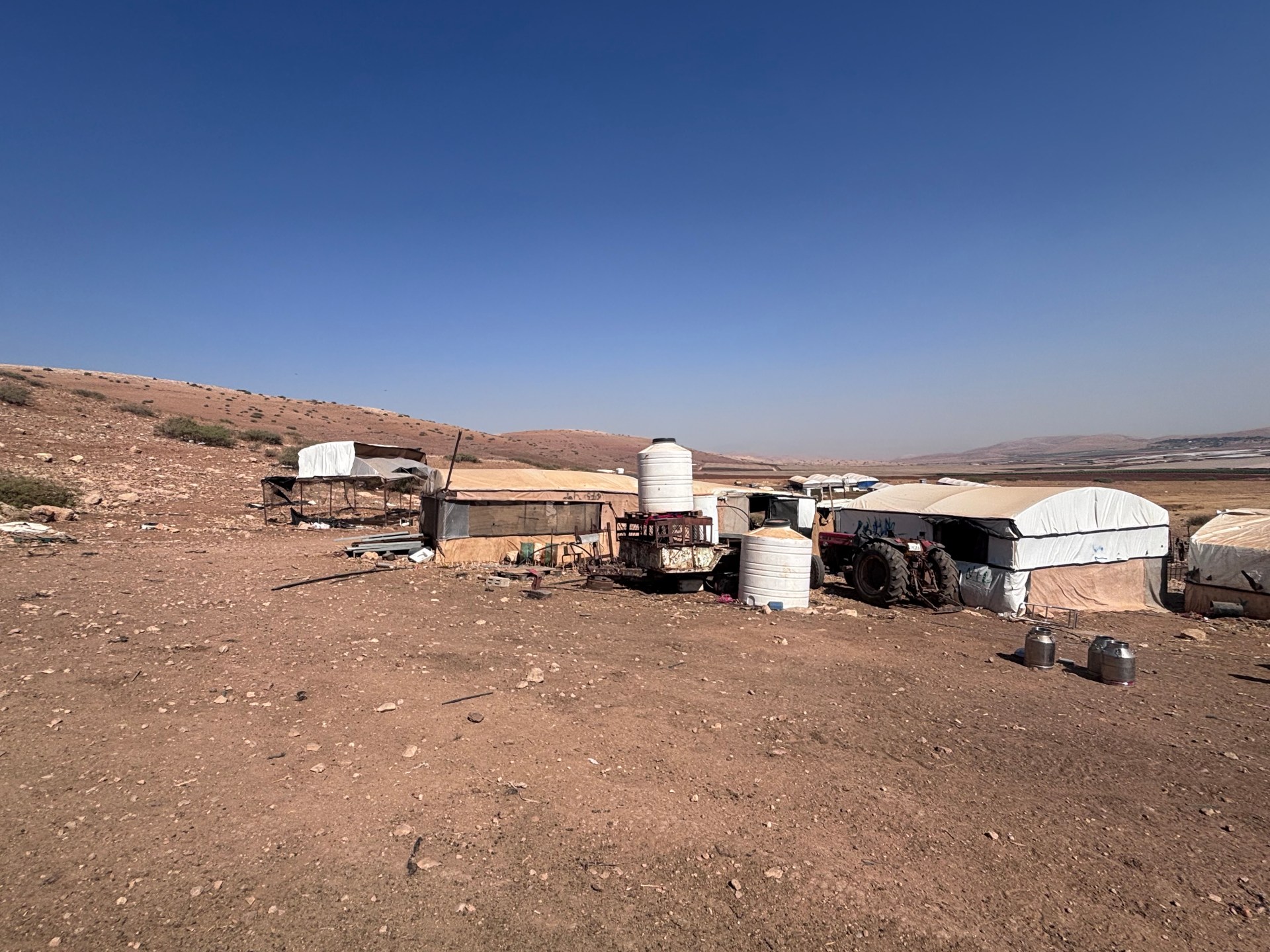
Israel’s new Crimson Thread barrier is tightening access to Palestinian communities in the northern Jordan Valley, where residents and land monitors say trenches, military roads and closures are separating farmers from their land. Israel says the project is meant to stop weapons smuggling from Jordan, but its route runs inside the occupied West Bank, according to Al Jazeera.
In Ras al-Ahmar, resident Thaer Bisharat told Al Jazeera that a trip from the nearby village of Tamun that once took about 10 minutes can now take an hour or more on a rough dirt route. Al Jazeera reported that reaching his home from the main road took three hours because gates into the village were closed and Israeli soldiers and settlers were patrolling the area.
Bisharat said the pressure on residents has grown alongside water cuts, land seizures and damage to farms. He told Al Jazeera that men in military clothing recently took residents’ identification details near banana greenhouses and warned them to leave within 24 hours or face confiscation of their belongings.
Trench and road advance after court ruling
The first section of Crimson Thread runs roughly 22km between the Ein Shibli and Tayasir checkpoints, according to Al Jazeera. The project includes a trench and military road that split the northern Jordan Valley from Tubas and Nablus.
Israel announced the project in 2025, and the plan is for the barrier to extend 500km, Al Jazeera reported. A June Israeli Supreme Court decision allowed construction to proceed, after which the Israeli Civil Administration moved ahead with digging and related operations, according to the report.
About three kilometres of trench have been dug, damaging irrigation pipes, farms and greenhouses and cutting some farmers off from land on the other side, Al Jazeera reported. Bisharat disputed Israel’s stated purpose, saying a military road would not require a trench two and a half to three metres deep.
Dror Etkes of the Israeli NGO Kerem Navot told Al Jazeera that nine land seizure orders form the route of the project. He described the orders as an escalation in a long-running Israeli effort to push Palestinians from the area through checkpoints, settlements, firing zones, settler attacks, raids, property confiscation and limits on access.
The Colonisation and Wall Resistance Commission said Israeli authorities issued 49 military land-seizure orders in the first half of this year, more than the 47 issued during all of 2025.
Water, farms and access hit
Mahdi Daraghmeh, head of the al-Maleh village council, told Al Jazeera that settler violence and fear have displaced 130 families from communities under his council’s oversight. He said those families have left homes, structures and land, losing their livelihoods.
Since the June ruling, Israeli authorities have carried out near-daily actions in the area, including cutting water supplies, destroying tanks and confiscating tractors and farm equipment, according to Al Jazeera. Bisharat said the confiscations were justified by authorities as security measures, a claim he questioned.
Al Jazeera reported that on July 14 Israeli authorities destroyed three wells in al-Buqaia, including one belonging to a relative of Bisharat, and seized pumps and equipment. The Atuf village council estimated the damage from that day at more than four million shekels, or $1.3m.
Daraghmeh said the destruction has wiped out the summer agricultural season, with much land left uncultivated. He warned that communities cut off by the trench would lose practical access to hospitals, emergency services and schools in neighbouring towns.
Bisharat told Al Jazeera that one water tank now costs him more than 300 shekels, or about $100, after Israeli authorities shut off water to the area for weeks. He estimated that farm production nearby has fallen by as much as 90 percent and said many families have lost half their livestock because they can no longer reach grazing areas.
Etkes said the barrier also links existing Israeli settlements to a new outpost on Jabal Tamun and could affect 8,000 to 9,000 dunams of Palestinian agricultural land. Bisharat said Palestinians are being removed from areas later used by settlers, asking why land first described as a military zone later receives roads, water and livestock.
This story draws on original reporting from Al Jazeera.