
Israel’s Lebanon stance puts pressure on US-Iran memorandum
Netanyahu says Israeli forces will stay in southern Lebanon while Hezbollah remains a threat, complicating a fragile US-Iran understanding.
By Daniel Okafor · Business Editor
4 min read
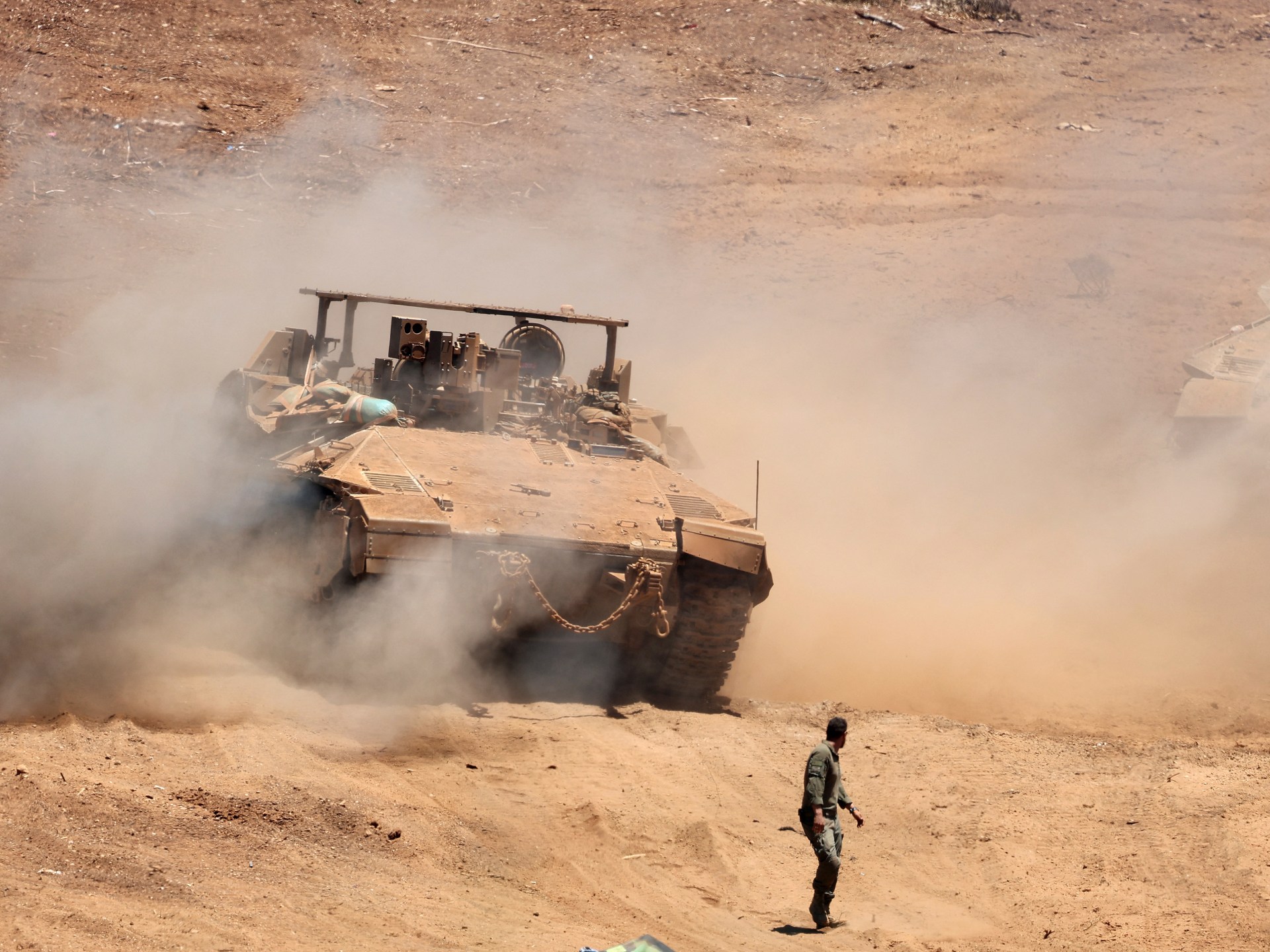
Israeli Prime Minister Benjamin Netanyahu said Israel’s military will remain in southern Lebanon as long as Hezbollah is deemed a threat, a position that analysts told Al Jazeera could strain a fragile US-Iran memorandum meant to stop fighting across multiple fronts. The stance matters because the memorandum’s first clause calls for an immediate and permanent end to fighting on “all fronts,” including Lebanon.
Netanyahu made the statement during a Tuesday visit to troops in southern Lebanon, according to Al Jazeera. A day earlier, Israeli Defence Minister Israel Katz said Israeli forces would not withdraw “a millimetre” until Hezbollah is disarmed.
Al Jazeera reported that Israeli forces have occupied about one-fifth of Lebanon since early March. It also reported that a separate US-brokered framework between Israel and Lebanon does not require Israel to pull out of southern Lebanon or halt attacks, a deal Hezbollah has rejected.
Netanyahu faces pressure at home and from Washington
Cyrus Schayegh, professor of international history and politics at the Geneva Graduate Institute, told Al Jazeera that Netanyahu is caught between domestic political pressure and US demands. With Israeli elections expected around October, Schayegh said a rapid withdrawal could be seen inside Israel as a retreat from the war with Hezbollah or as evidence that Netanyahu yielded to US President Donald Trump.
Schayegh said Netanyahu also knows that Washington wants to prevent the Israel-Hezbollah front from disrupting broader talks between the US and Iran. He said a public break with the US would carry risks for Israel at a sensitive moment.
According to Al Jazeera, Hezbollah began firing rockets into northern Israel after US-Israeli strikes on Tehran on February 28 killed Iran’s Supreme Leader Ayatollah Ali Khamenei. Israel responded with force and has since carried out near-daily strikes and expanded its ground operation, Al Jazeera reported.
Iran links Lebanon to any deal
Al Jazeera reported that Iran has repeatedly said Israel must leave all occupied Lebanese territory before Tehran considers signing a peace deal with Washington. Schayegh told the outlet that Iran’s position reflects its commitment to Hezbollah’s survival, citing the group’s strategic value and its close ties to Iran’s leadership.
Geopolitical analyst Joe Macaron told Al Jazeera that Hezbollah remains a major concern for Iran, particularly the Islamic Revolutionary Guard Corps. He said Iran has shown its willingness to escalate over Hezbollah, including by striking northern Israel and blocking the Strait of Hormuz.
Schayegh said some officials in Tehran may understand that an Israeli withdrawal would not restore the pre-2023 situation in southern Lebanon, where the Lebanese army had little role and Hezbollah operated with broad freedom. He told Al Jazeera that Iran may treat Hezbollah’s future posture in the south as a bargaining point rather than a fixed demand.
Ronnie Chatah, a political commentator, writer and host of The Beirut Banyan podcast, told Al Jazeera that Iran could still use Lebanon to slow a permanent agreement with Washington if Israel does not appear to be withdrawing. But Chatah said he does not believe the current dispute is enough to collapse the memorandum.
Hezbollah rejects the framework
Hezbollah was excluded from the US-brokered framework talks between Israel and Lebanon, according to Al Jazeera. Hezbollah leader Naim Qassem called the agreement “humiliating, shameful and a surrender of sovereignty.”
Schayegh said Hezbollah is not only an Iranian proxy, noting that it has held seats in Lebanon’s parliament since the mid-2000s. He also said Iran has taken on a larger organisational role since Israel’s 2024 campaign in Lebanon weakened Hezbollah and killed much of its leadership.
Chatah told Al Jazeera that Hezbollah remains Iran’s most advanced regional investment and an important security asset despite losses. Macaron said any framework that avoids the Lebanese army’s role and an Israeli withdrawal will be difficult to carry out and could lead to more fighting.
Macaron said Washington’s main focus remains Iran’s nuclear programme, not Lebanon. He told Al Jazeera that if US-Iran nuclear talks advance, Washington may show more flexibility on Lebanon, while Schayegh said Iran now has more leverage because it can threaten actions such as closing the Strait of Hormuz, with effects on the US and the wider economy.
This story draws on original reporting from Al Jazeera.