
Yoga referrals face access gaps in UK social prescribing
Researcher Sally S.J. Brown says cost, location, representation and culture can limit who benefits when yoga is used in NHS social prescribing.
By Tom Brennan · Health & Medicine Correspondent
3 min read
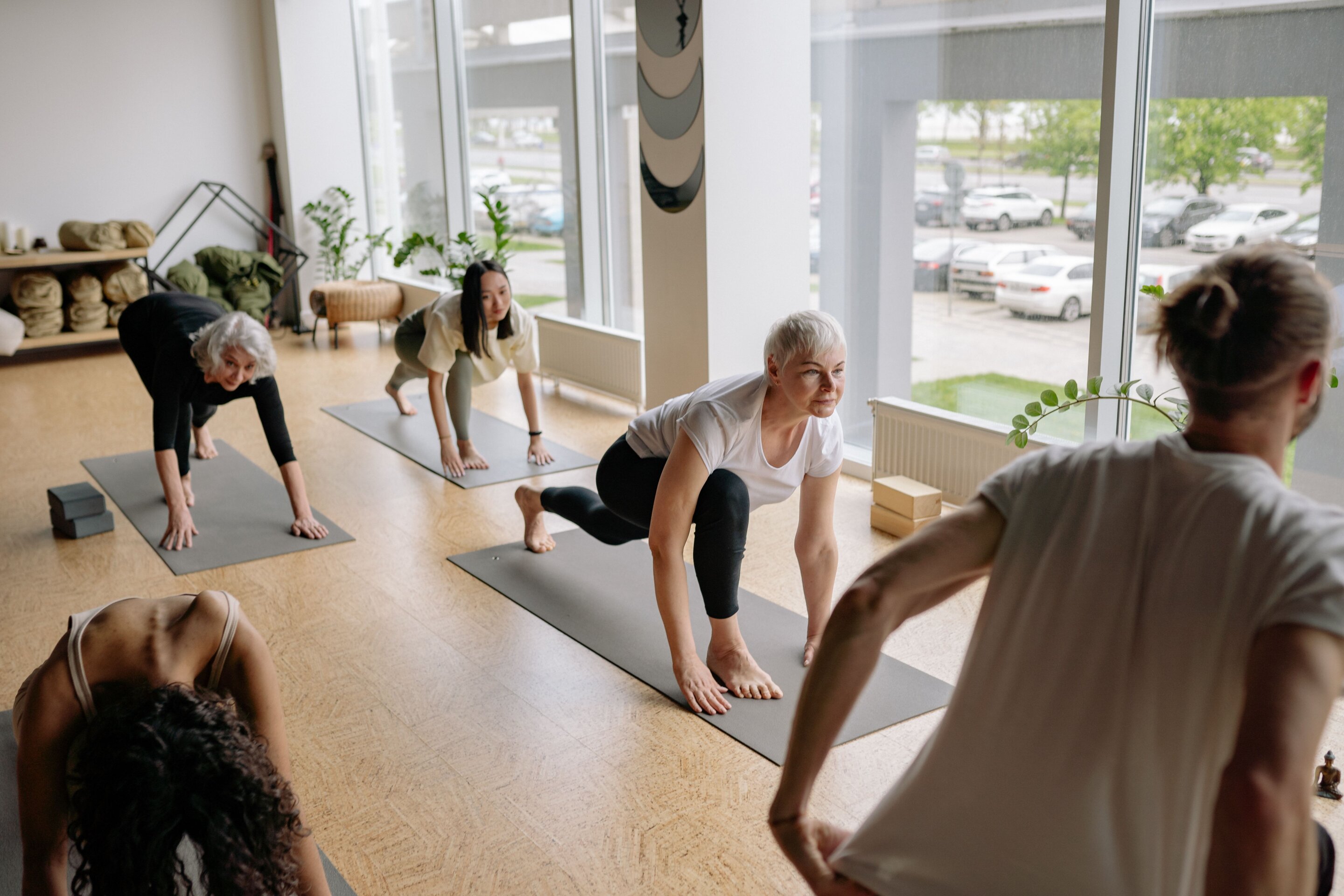
Yoga is becoming part of NHS social prescribing, but new research argues that the people most likely to be referred may still struggle to take part. Sally S.J. Brown, a researcher and yoga teacher writing in The Conversation, says access to yoga in the U.K. remains uneven by income, disability, body size and ethnicity.
Social prescribing links patients with nonclinical support such as community and voluntary activities. Brown says yoga is often viewed as a low-barrier way to support exercise and well-being, but that view can miss the practical and cultural hurdles facing people who are underrepresented in yoga settings.
Brown points to a 2020 survey of U.K. yoga students and teachers that found respondents were 91% white, 71% university-educated and 87% female. She says those figures clash with the common presentation of yoga as broadly accessible.
Yoga has roots in ancient South Asia and can include movement, breathing practices, mindfulness, meditation and philosophy, according to Brown. She says research suggests yoga may help some people with aspects of physical and mental health, including chronic lower back pain, stress, anxiety or depression symptoms, and quality of life and fatigue among some cancer survivors, though the evidence varies by condition.
Barriers before and inside the class
Brown’s forthcoming book, The Diversity Gap in UK Yoga: Outsider Perspectives, examines the experiences of people from groups less commonly represented in yoga, including people on low incomes, disabled people, people with a high body mass index and people from minority ethnic groups. She says the work drew on interviews and looked at both stated barriers and wider patterns of power and inequality in yoga spaces.
Some obstacles were practical, Brown reports. Participants described difficulty attending classes because of where and when they were offered, the ease of travel, the price of sessions and expectations around clothing or equipment.
Other barriers began before people entered a class. Brown says some interviewees expected yoga to be too strenuous, while others thought it might not provide enough activity. Some saw it as “uncool,” and others associated yoga with people who were slim, flexible, athletic or comfortable in exercise environments.
Brown also says unfamiliar elements, including chanting, could discourage some people when teachers did not explain them clearly. Inside yoga spaces, she found that some participants felt access concerns were brushed aside or treated as problems individuals should overcome through confidence, persistence or attitude.
Representation and origins
Representation shaped whether people felt they belonged, according to Brown. She says some people felt alienated when they did not see anyone like themselves in classes, teaching roles or yoga imagery.
For some people from South Asian national or faith backgrounds, Brown says another concern was how yoga’s South Asian roots were handled. Some interviewees found it alienating when those origins were ignored, simplified or used in ways they considered inappropriate.
Brown argues that a strong belief within yoga communities that yoga is naturally welcoming can make it harder for people to raise concerns. If criticism is treated as out of place, she says, access problems are less likely to be recognised and addressed.
The findings carry implications for NHS-linked social prescribing because many groups underrepresented in yoga also experience poorer health outcomes and greater barriers to care, Brown says. She argues that teachers, studios and community providers should review how they run classes if yoga is to serve a wider range of people.
This story draws on original reporting from Medical Xpress.