
Israel incursion into Syria draws UN condemnation
UN chief Antonio Guterres condemned Israeli moves in Syria as SANA reported a new advance and checkpoint in the southwest.
By Sofia Marchetti · World Affairs Correspondent
3 min read
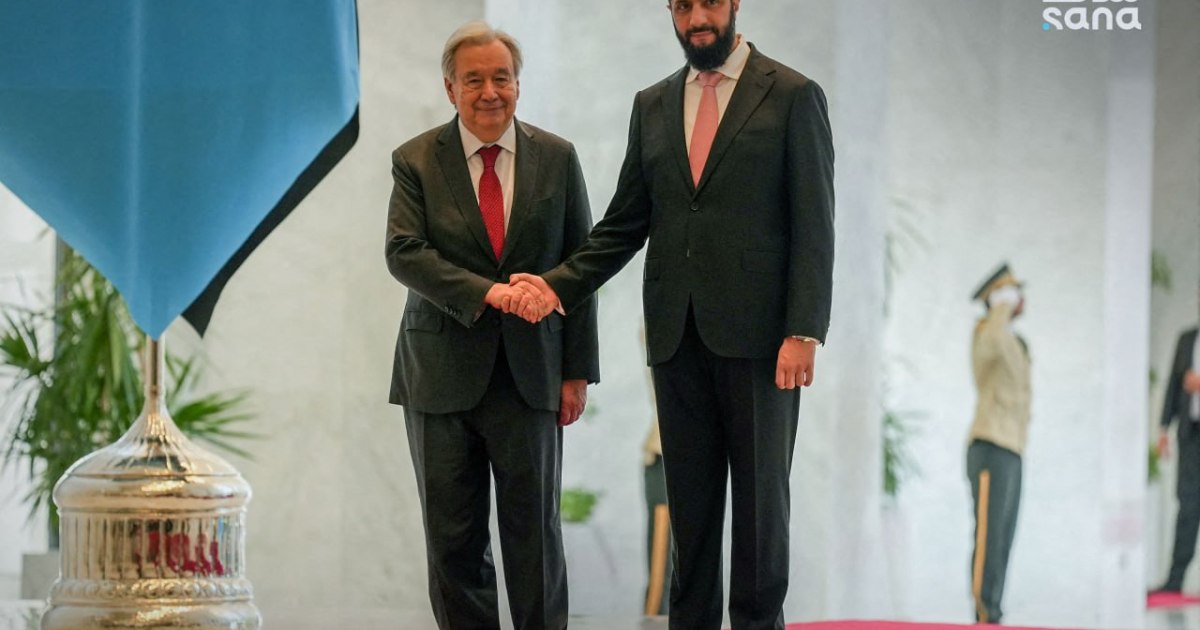
An Israel incursion into Syria drew condemnation from United Nations Secretary-General Antonio Guterres as Syrian state media reported a new Israeli military advance in the country’s southwest. The episode matters because it comes during the first visit to Syria by a UN chief since 2009 and amid renewed questions over the 1974 Israel-Syria disengagement deal.
Syrian state news agency SANA reported that Israeli troops moved on Sunday toward villages in southwestern Syria and set up a checkpoint at Al-Ardah. SANA also reported that shelling was heard nearby and that leaflets were dropped warning residents not to block Israeli military vehicles.
Guterres, who was in Damascus, said Israel’s actions violated Syria’s sovereignty and the terms of the disengagement agreement. In a social media post, he said Syria’s “sovereignty, independence, unity & territorial integrity must be fully respected” and that Israeli violations of the 1974 accord were “unacceptable & must stop.”
At a news conference on Sunday, Guterres said the UN plans to send a comprehensive report on the matter to the Security Council at the end of the month.
What is the 1974 Israel-Syria disengagement agreement?
The 1974 Disengagement of Forces Agreement established arrangements separating Israeli and Syrian forces after war between the two countries. The UN Disengagement Observer Force, known as UNDOF, has been deployed in the buffer zone under that arrangement since 1974.
Al Jazeera reported that Israel has carried out more frequent incursions into Syrian territory since the fall of Bashar al-Assad’s government in December 2024. After al-Assad was ousted, Israel took control of the UN-monitored buffer zone between the Israeli-occupied Golan Heights and the rest of Syria, saying the disengagement agreement had collapsed.
Israeli forces have since carried out attacks, raids and searches and created military checkpoints deeper inside Syria, according to Al Jazeera. Israeli officials say they plan to stay in southern Syria in what they describe as a “security zone.”
Syrian Foreign Minister Asaad Hassan al-Shaibani on Saturday called for Israel to withdraw from the buffer zone. He said Israel’s continued military operations and occupation represented a “direct threat to the security of the region.”
Syrian President Ahmed al-Sharaa told Al Jazeera’s Al Muqabala that Damascus is working with a group of countries to reach a security agreement with Israel. He said that if such a deal succeeds, it would open the way to broader peace while preserving Syria’s claim to the occupied Golan Heights. Al-Sharaa also said Syria has “no interest” in a confrontation with Israel.
What did Guterres say about Syria’s recovery?
Guterres described Syria as being at a moment when it could recover from 13 years of war and build a more stable and inclusive future. He also called for all sanctions imposed during the al-Assad era to be removed, saying recent steps to ease sanctions had opened possibilities for economic recovery.
Western countries, including the United States, have started lifting economic sanctions, according to Al Jazeera, though investors remain cautious. The World Bank has estimated that Syria’s postwar reconstruction could cost $216bn.
Guterres said the UN supports the Syrian people and government and appealed to the international community to help the country. He is also expected to visit UNDOF during his trip.
This story draws on original reporting from Al Jazeera.