
Islamic University of Gaza rebuilding effort faces ruined labs and shelters
Students and staff are trying to restart practical training after Israeli attacks destroyed classrooms, labs and library holdings.
By Lucas Ferreira · Science & Environment Writer
3 min read
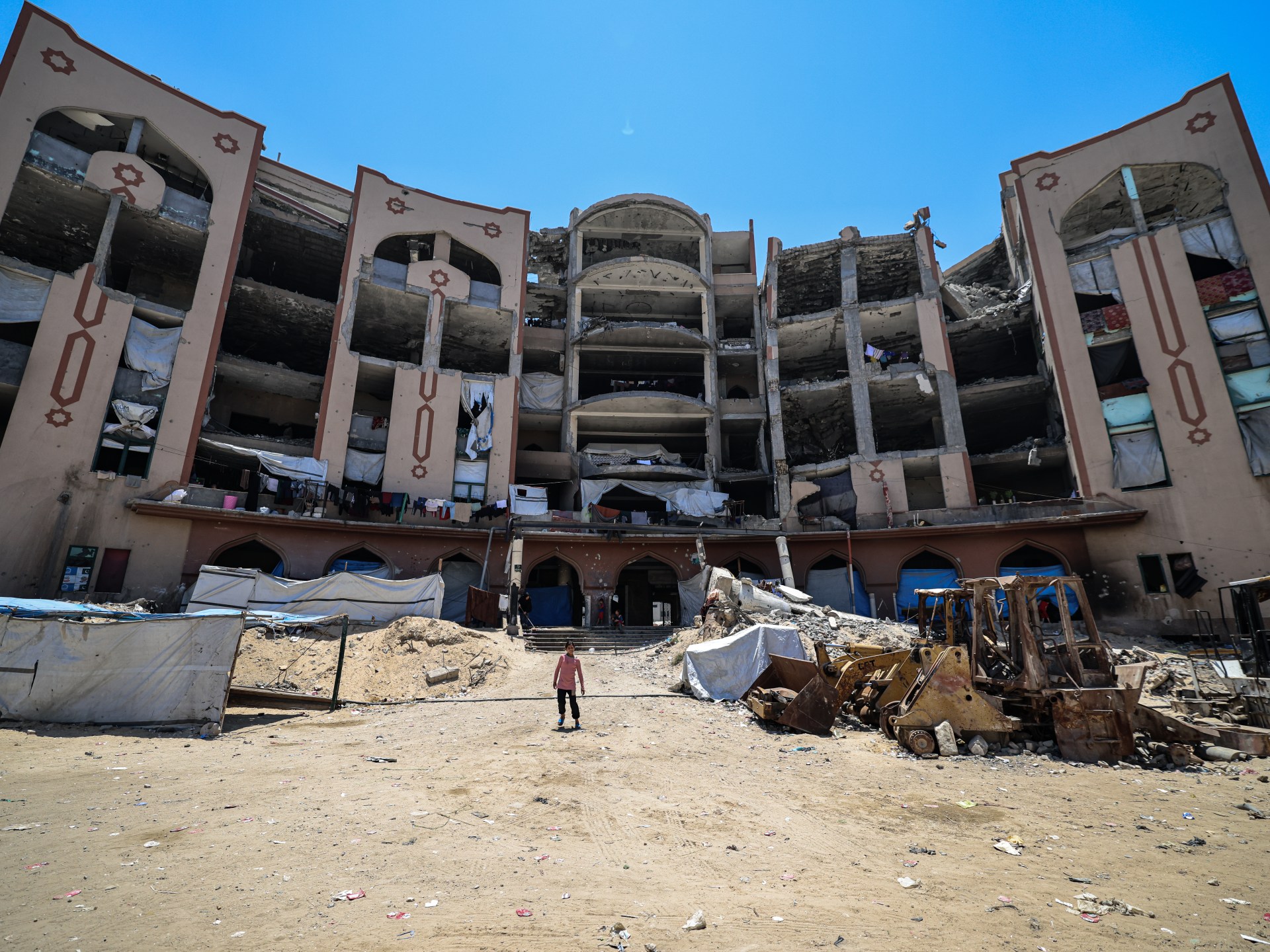
The Islamic University of Gaza rebuilding effort is being driven by students and staff trying to keep classes going after Israeli attacks wrecked much of the campus. Al Jazeera reported that the damage has hit medical, health sciences and engineering students especially hard because those fields depend on labs, equipment and supervised practice.
Before the war, Al Jazeera described the university as one of Gaza’s leading public institutions, with students spending long hours in laboratories to turn classroom lessons into practical skills. Yassin al-Nounou, the university’s laboratory coordinator, told Al Jazeera that new anatomy models and educational skeletons had arrived days before the war began, but plans to expand hands-on training stopped once bombardment damaged infrastructure and equipment.
How is the Islamic University of Gaza rebuilding?
The university is trying to resume teaching through online classes, recorded experiments, digital simulations and field placements in hospitals and local institutions, according to Al Jazeera. Al-Nounou said the university has also opened five branches and educational facilities across Gaza so displaced students do not have to rely on reaching the main campus.
Those measures are temporary, according to Abdulraouf Ali al-Manama, dean of the health sciences faculty. He told Al Jazeera that rebuilding requires more than repairing buildings; the university needs laboratories, scientific devices, training materials and supplies that can support practical education.
What was destroyed at the university?
Al Jazeera reported that 19 educational buildings were destroyed, while about 500 classrooms, 200 scientific laboratories and 75 computer laboratories were badly damaged. The central library lost more than 240,000 books, journals, references and academic theses, according to the report.
Al-Manama called the past three years one of the worst disasters in the university’s history. He said academic buildings, research spaces, libraries and training clinics were destroyed, along with scientific equipment and materials built up over five decades.
Gaza’s wider higher education system has also been damaged. An assessment by the Palestinian Ministry of Education and Higher Education with UNESCO found that most higher education institutions in Gaza had suffered serious damage since 2023, and that hundreds of specialized laboratories and facilities could no longer operate, Al Jazeera reported.
Why practical training matters for students
Practical training is the part of education where students use equipment, examine samples, run tests and connect theory to real cases. Without functioning labs, Al Jazeera reported, some courses in medicine and science can be taught only in theory or through simulations.
Medical student Deema Muhaisen told Al Jazeera that after the medicine faculty was destroyed on December 9, 2023, she no longer had a stable place to study. She said lectures often took place in hospital corners or near patient rooms, where doctors were focused first on treating the injured.
Muhaisen said she tried to make up for lost lab time by volunteering for two years in emergency departments, wound care units and surgery departments in northern and southern Gaza. She told Al Jazeera she eventually assisted in operating rooms and followed up with patients after surgery, experience she said strengthened her sense of responsibility.
Al-Nounou said students worry about entering work without having used the devices they studied. To close that gap, he said the university is coordinating with hospitals, healthcare centers and local organizations so students can receive some practical exposure.
Al Jazeera reported that Israel’s siege and limits on access to medical equipment, construction materials and spare parts remain major barriers. The university needs items including microscopes, incubators, sterilization devices, analysis tools, specialized computers, chemicals and laboratory reagents before full practical teaching can resume.
This story draws on original reporting from Al Jazeera.