
Iran state TV dispute widens over US talks and war coverage
Iran’s government accused IRIB of cutting leaders’ comments on US talks as Oman pushed mediation over the Strait of Hormuz.
By Sofia Marchetti · World Affairs Correspondent
3 min read
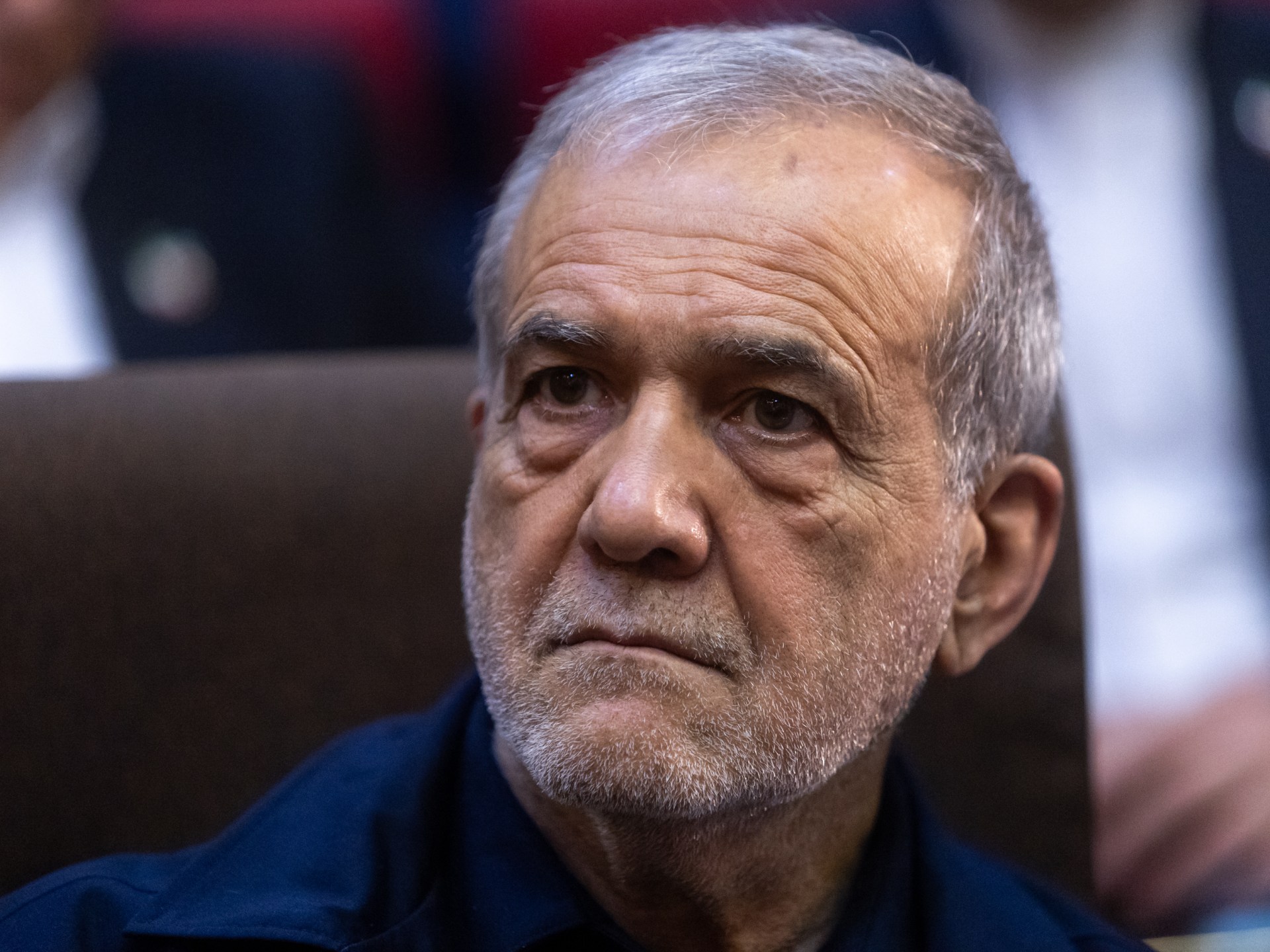
The Iran state TV dispute widened this week after President Masoud Pezeshkian’s government accused the national broadcaster, IRIB, of withholding parts of senior officials’ remarks about negotiations with the United States. The clash matters because it exposes open friction inside Iran’s political system while outside mediators seek room for diplomacy.
Iran’s Government Information Council said Friday that IRIB had censored part of a speech by Pezeshkian. According to Al Jazeera, the omitted section concerned the president’s account of how talks with Washington were authorized after last year’s 12-day war with Israel.
In that speech, Pezeshkian said former Supreme Leader Ayatollah Ali Khamenei had publicly ruled out negotiations with the United States but privately approved them after officials asked how to deal with what he described as damaging “no war, no peace” conditions. Pezeshkian said the government began talks on Khamenei’s order.
What is behind the Iran state TV dispute?
The dispute centers on whether IRIB should air senior officials’ comments that show debate over talks with Washington. The government says the broadcaster is suppressing the official line on diplomacy, while IRIB says it is trying to avoid giving the public an impression of division in Iran’s leadership.
IRIB, whose chief is appointed by the supreme leader, rejected what it called the government’s accusations in a Saturday statement. The broadcaster said it had a duty to prevent what it described as a false suggestion that Iran’s main power centers are split.
The government said the missing section of Pezeshkian’s speech was not an isolated case. It said IRIB also cut part of an interview with parliament speaker and chief negotiator Mohammad Bagher Ghalibaf about negotiations, and did not air part of a speech by judiciary chief Gholam-Hossein Mohseni-Ejei in which he supported the president.
Foreign Minister Abbas Araghchi also criticized IRIB in an interview with a state-linked outlet released Saturday. He said his wartime interviews with US media including Fox and CNN had aimed to present Iran’s position to American viewers and policymakers, but that state television aired only limited excerpts.
Araghchi also pushed back against hardline claims that a memorandum of understanding signed with the United States last month, and now suspended, had been forced on Supreme Leader Mojtaba Khamenei. He described it as the best deal available under the circumstances.
The government blamed the dispute on what it called a political faction inside IRIB, an apparent reference to the ultrahardline Paydari Front, and warned that the broadcaster’s conduct could harm national security and social cohesion. IRIB responded that airing Pezeshkian’s disputed remarks would have suggested disunity.
Both sides accused the other of undercutting Mojtaba Khamenei’s recent call for “sacred unity” under military, economic and diplomatic pressure from the United States. Mohammad Mirzaei, a member of parliament on an oversight committee for IRIB, said broadcaster directors had been warned to show different viewpoints and act as a sign of national unity.
Reformist outlet Entekhab, citing an unnamed source, reported that Pezeshkian sharply reprimanded IRIB chief Peyman Jebeli at a cabinet meeting. Hardline lawmaker Meysam Zohourian said the president had threatened to cut state television’s budget, though the administration has not confirmed that.
The political fight unfolded as Omani mediators were in Tehran on Friday for talks on managing the Strait of Hormuz, a key waterway at the center of US-Iran tensions. US President Donald Trump said Friday that the war was going “extremely well,” that talks through mediators were continuing, and that he did not expect an agreement soon.
Mohammad Bagher Zolghadr, secretary of Iran’s Supreme National Security Council, said Saturday that missile and drone launches across the region would continue until what he called the enemy’s full surrender and revenge for civilians killed in the war.
This story draws on original reporting from Al Jazeera.