
Iran Jordan attack raises fears after US-Saudi strikes in Iraq
Iran said it fired missiles at US sites in Jordan as Washington and Riyadh struck armed groups in Iraq, widening fears of escalation.
By Lucas Ferreira · Science & Environment Writer
3 min read
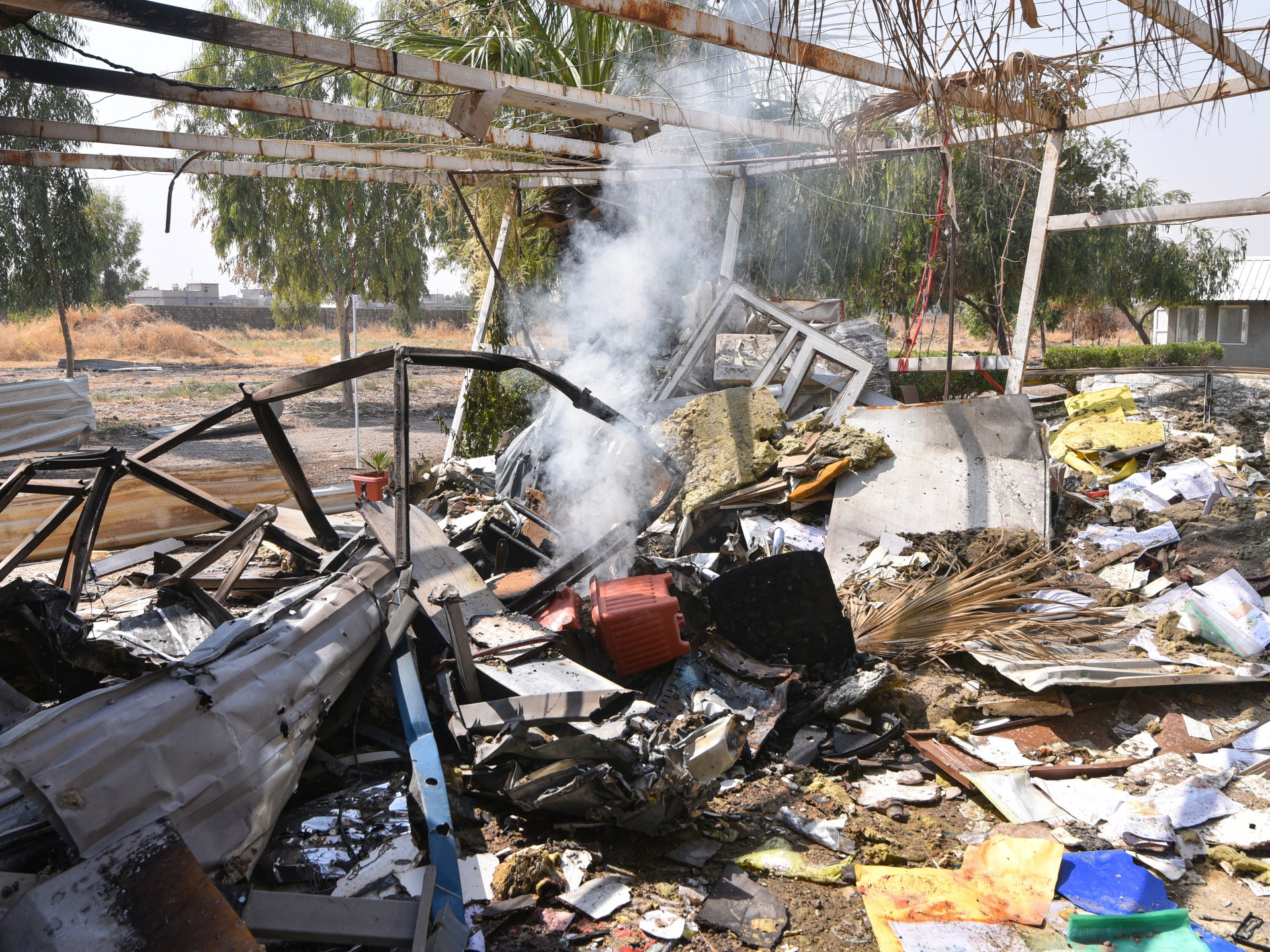
Iran’s Jordan attack put US forces in the kingdom under missile fire on Wednesday, while the United States and Saudi Arabia struck Iran-backed groups in Iraq. The exchanges matter because they pulled Jordan, Iraq and Saudi energy security further into a conflict already drawing in several regional fronts.
Iran’s Islamic Revolutionary Guard Corps said it launched several ballistic missiles at US military installations in Jordan. US Central Command said American forces intercepted what it called a “surprise” attack on US personnel in the Middle East, but it did not identify the targets or say whether the Jordan strike came before or after the US-Saudi operation in Iraq.
Jordanian authorities, CENTCOM and the IRGC had not disclosed which bases or assets were targeted. A 2026 US Congressional Research Service report said Jordan hosts about 4,000 US troops, including personnel at Muwaffaq Salti Air Base, King Faisal Air Base and Tower 22, a logistics outpost near the Syrian and Iraqi borders.
Why did Iran attack Jordan?
The IRGC, in a statement carried by Iran’s IRNA news agency, said the missile fire was a response to US military “aggressive actions.” Burcu Ozcelik, a senior research fellow at the Royal United Services Institute, told Al Jazeera that Tehran appears to view direct military pressure as part of its deterrence strategy against Washington.
Ozcelik said reports that US interceptor stocks were under strain may have factored into Iranian decision-making. She also said Iranian leaders see the conflict as an existential fight and continue to seek leverage over the Trump administration.
What did the US and Saudi Arabia hit in Iraq?
Saudi Arabia’s Ministry of Defence said its forces, working with CENTCOM, attacked Iran-backed groups in Iraq after drone strikes on Saudi petroleum facilities. CENTCOM said US and Saudi forces hit “Iran-aligned” groups that it accused of attacking US forces and Saudi energy infrastructure at the direction of the IRGC.
The US and Saudi Arabia said those groups carried out 30 drone attacks in 72 hours. An unnamed Iranian defence official, speaking through the state broadcaster IRIB, warned that assigning blame to Iran was a serious miscalculation.
Iraq’s Popular Mobilisation Forces said at least 20 of its fighters were killed and 32 wounded in the US-Saudi attacks. The PMF, a state-sanctioned umbrella body that includes mostly Shia armed groups, said positions were hit in Baghdad, Wasit, Nineveh, Basra, Kirkuk, Karbala and Diyala provinces, and that the toll could rise after field reviews.
Iraqi Prime Minister Ali al-Zaidi called an emergency meeting of the Ministerial Council for National Security after the strikes. He had already ordered Iraqi security agencies to examine the drone attacks and was expected to travel to Saudi Arabia on Thursday, according to Al Jazeera.
Is the war spreading?
The conflict has already reached beyond direct US-Iran exchanges. Al Jazeera reported that Yemen’s Iran-backed Houthis have declared a blockade and targeted Saudi-flagged ships in the Red Sea, while Ukraine said it struck vessels in the Caspian Sea carrying Iranian-linked military cargo.
Pakistan’s UN ambassador, Asim Iftikhar Ahmad, told the Security Council that Pakistan was concerned by efforts to pull Saudi Arabia deeper into the war. Saudi Foreign Minister Faisal bin Farhan Al Saud spoke with counterparts in Qatar, Kuwait and Bahrain, and his office said they backed further de-escalation and protection of shipping through the Strait of Hormuz and Bab al-Mandeb.
EU foreign policy chief Kaja Kallas said after speaking with Iranian Foreign Minister Abbas Araghchi that a pause in Gulf fighting could give mediators time to restore diplomacy and prevent full-scale war. Ozcelik told Al Jazeera the likeliest path is continued reciprocal strikes alongside negotiations, with the greatest risk coming from a direct attack that triggers a collective Gulf military response or further Houthi escalation near Bab al-Mandeb.
This story draws on original reporting from Al Jazeera.