
Greenpeace chief warns Iran war shows fossil fuel price risk
Mads Flarup Christensen says the conflict has exposed how oil and gas dependence can spread inflation from one region to households worldwide.
By Sofia Marchetti · World Affairs Correspondent
3 min read
A senior Greenpeace official has warned that the US-Israeli conflict with Iran has exposed a wider economic risk from dependence on oil and gas. Mads Flarup Christensen, executive director of Greenpeace International, wrote in Al Jazeera that fossil fuel reliance leaves households vulnerable to wars, supply disruptions and other shocks far from home.
Christensen said the immediate priority in the Middle East should be protecting lives as families face fear, violence, displacement and destruction. He argued that the same conflict also shows how energy systems tied to global fossil fuel markets can transmit instability into transport costs, utility bills and food prices.
Fuel costs spread through economies
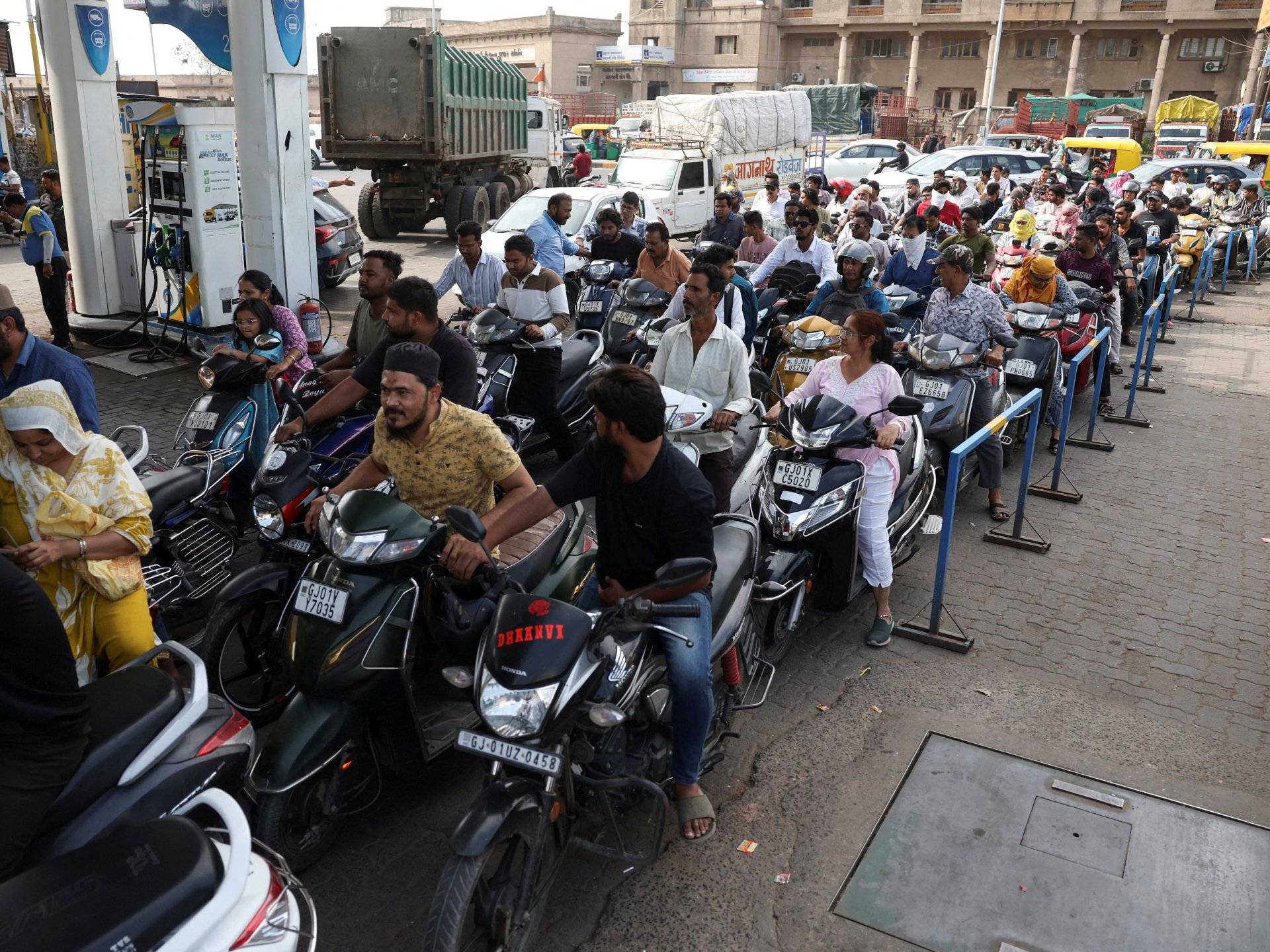
According to Christensen, colleagues across Greenpeace’s global network have reported economic effects from the war in multiple regions. He said the closure of the Strait of Hormuz has pushed up fuel costs, inflation and pressure on household budgets in East and Southeast Asian economies that depend heavily on imported oil and gas.
He also said higher fuel prices have added strain for poor communities in Africa and Latin America. In Europe, North America and Australia, he wrote, energy costs have fed into transport, electricity and everyday goods.
Christensen described the pattern as “fossilflation,” meaning inflation pressure created by dependence on fossil fuels. He said economies that use more imported fossil energy face greater exposure to disruptions abroad, while locally produced renewable power can reduce that exposure.
Warnings from global agencies
The Organisation for Economic Co-operation and Development has warned that the Middle East conflict is contributing to higher inflation and weaker growth, Christensen wrote. He cited the OECD as saying higher energy prices are moving through transport, household energy bills and consumer prices.
He also said the OECD has reported emergency action by governments in at least 46 countries to protect households and businesses from rising fuel costs. The International Monetary Fund, the World Bank and the World Food Programme have warned that higher oil, gas and fertiliser prices are worsening food insecurity, according to Christensen.
The World Food Programme has separately estimated that 45 million people could be pushed into acute hunger, he wrote.
Profit and policy debate
Christensen accused fossil fuel companies of benefiting from instability and price swings. Citing analysis based on Rystad Energy data, he said the world’s 100 largest oil and gas companies made more than $30m an hour in windfall profits during the first month of the war.
He wrote that the industry response to energy shocks often includes calls for more drilling, more pipelines, faster approvals, public subsidies and weaker environmental rules. In his view, those responses deepen the dependence that leaves economies exposed to future shocks.
Christensen said the risk will remain even if the current conflict eases, the Strait of Hormuz remains open and energy markets calm. He warned that the next disruption could come from another conflict, a geopolitical confrontation, a supply limit or extreme weather.
He argued that decentralised renewable energy should be treated as an economic security issue as well as a climate measure. Rooftop solar, batteries, electric buses and efficient buildings, he wrote, can reduce the link between foreign crises and household costs because local renewable energy is less exposed to blockades, sanctions or conflict.
Christensen said countries that accelerate local renewable energy systems will be better shielded from future fossil fuel shocks. Countries that remain dependent on traded fossil fuels, he argued, will keep facing repeated cycles of price pressure.
This story draws on original reporting from Al Jazeera.