
Iran deal could open path to $300bn investment fund
A draft US-Iran settlement ties economic incentives to Tehran’s compliance with nuclear inspections and other commitments, officials said.
By Lucas Ferreira · Science & Environment Writer
4 min read
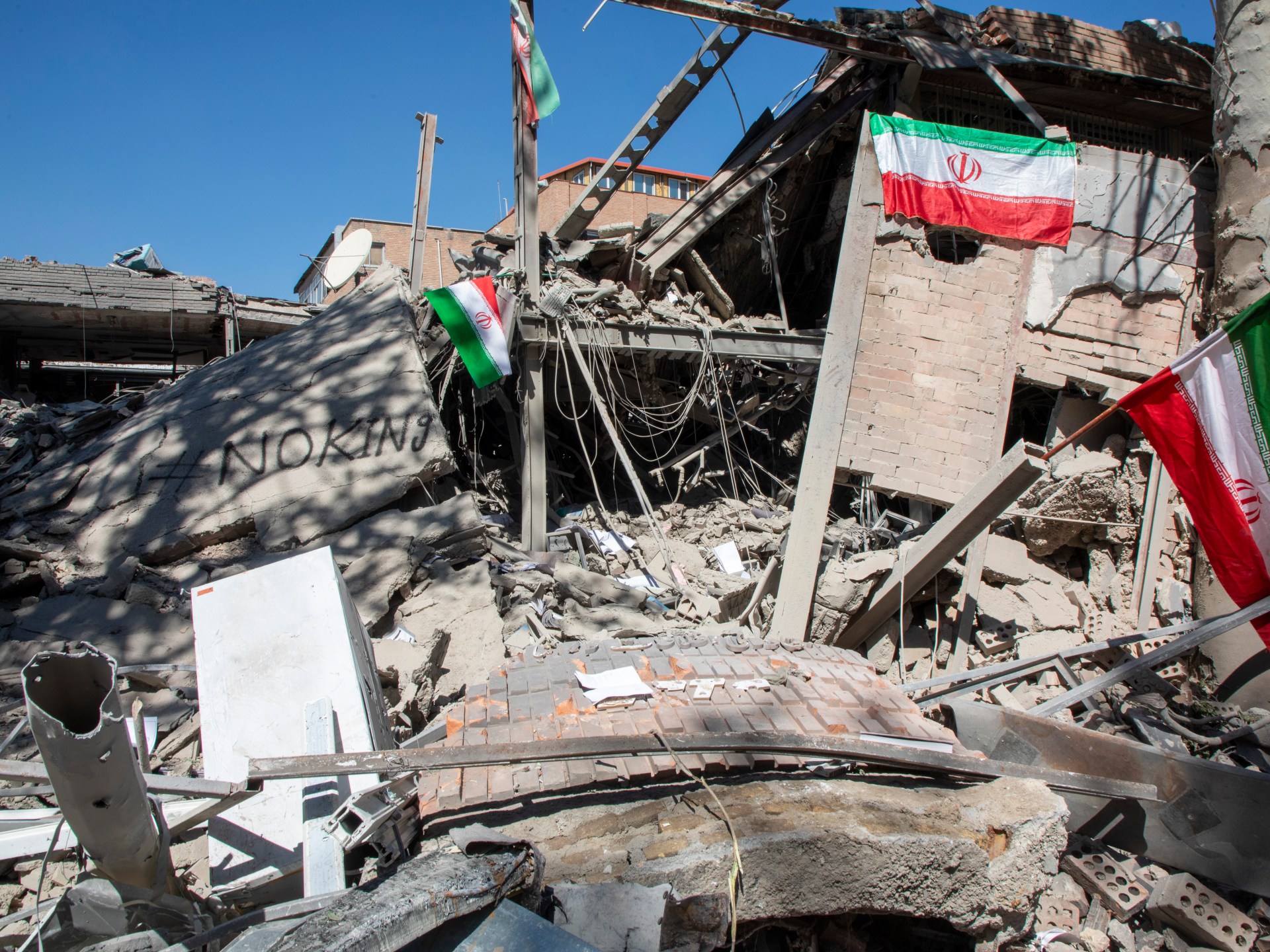
A US-Iran memorandum expected to be signed in Switzerland on Friday could clear the way for a $300bn investment fund for Iran, Al Jazeera reported. The proposal matters because it is part of a wider settlement aimed at ending a war that disrupted energy markets and sent shocks through the global economy.
US Vice President JD Vance told CBS News on Monday that any economic benefits would depend on Iran meeting its obligations under the agreement. Al Jazeera reported that the memorandum was signed electronically by both sides on Sunday.
The size of the potential fund has drawn political attention in Washington because President Donald Trump long criticised the 2015 nuclear agreement with Iran, which he said gave Tehran economic gains. Trump wrote on Truth Social that claims of a direct US payment to Iran were false, while Vance told CBS that the arrangement would not amount to Washington paying Tehran for enriched uranium.
Vance said Iran could gain wider access to economic opportunities if it permits meaningful inspections of its nuclear programme and complies with the deal. He told CBS that the fund could be backed by what he called a “Gulf Coast coalition,” and said US money would not be injected.
The New York Times, citing unnamed sources, reported that the fund would be set up for companies interested in investing in Iran rather than financed by governments. Muhanad Seloom, a non-resident senior fellow at the Middle East Council on Global Affairs, told Al Jazeera that the structure limits Washington’s exposure because Gulf backers would carry much of the risk if Iran does not change course.
Frozen assets remain disputed
Iran’s frozen assets are another sensitive issue. Al Jazeera reported that official Iranian accounts and analysts put the total at more than $100bn, much of it tied to sanctions that have limited Tehran’s access to oil revenue and other funds held abroad.
Iran’s state-affiliated Mehr News agency reported on Sunday that a 14-point draft memorandum included the release of $24bn in frozen Iranian assets. Vance told CBS that the figure did not appear in texts discussed with Iran, while adding that Washington was willing to discuss unfreezing assets as part of a larger move to remove sanctions if Tehran makes lasting nuclear commitments.
Al Jazeera reported that the war caused an estimated $29bn in damage in Iran and that Iranians are facing the highest inflation rate since 1942. Seloom told Al Jazeera that the fund may help Tehran economically, though he said Iranian leaders may see conditional investment as supervised money rather than sovereign relief.
Nuclear terms and Hormuz still unresolved
The memorandum extends an existing ceasefire arrangement for 60 days, during which the two sides are expected to continue talks. Al Jazeera reported that those talks will include the fate of Iran’s stockpile of more than 440kg of enriched uranium.
Vance said Tehran had agreed to hand over its stockpile, accept regular inspections and refrain from producing or buying nuclear weapons. The full text of the memorandum has not been released.
The Strait of Hormuz also remains under discussion after competing US and Iranian blockades, according to Al Jazeera. Trump suggested the waterway would reopen when he announced the deal on Sunday, while Vance told CNBC that technical talks still needed to settle the terms for long-term, toll-free passage.
Iranian Foreign Minister Abbas Araghchi said Monday, according to Press TV, that the agreement could bring economic benefits but that Tehran would not depend on them for all its needs. Iranian President Masoud Pezeshkian said Iran’s Supreme National Security Council approved the deal to test whether the United States would respect Iran’s rights.
At the G7 summit in France on Tuesday, Trump called the agreement fair and good, and said Iran could not have a nuclear weapon. Qatar’s Emir Sheikh Tamim bin Hamad Al Thani said the deal could produce positive results for the region, while US lawmakers from both parties called for clear terms and enforcement.
This story draws on original reporting from Al Jazeera.