
India student protests escalate with calls for Modi to resign
Student-led demonstrations in New Delhi have widened from education reform demands to calls for top Indian officials to quit.
By Lucas Ferreira · Science & Environment Writer
3 min read
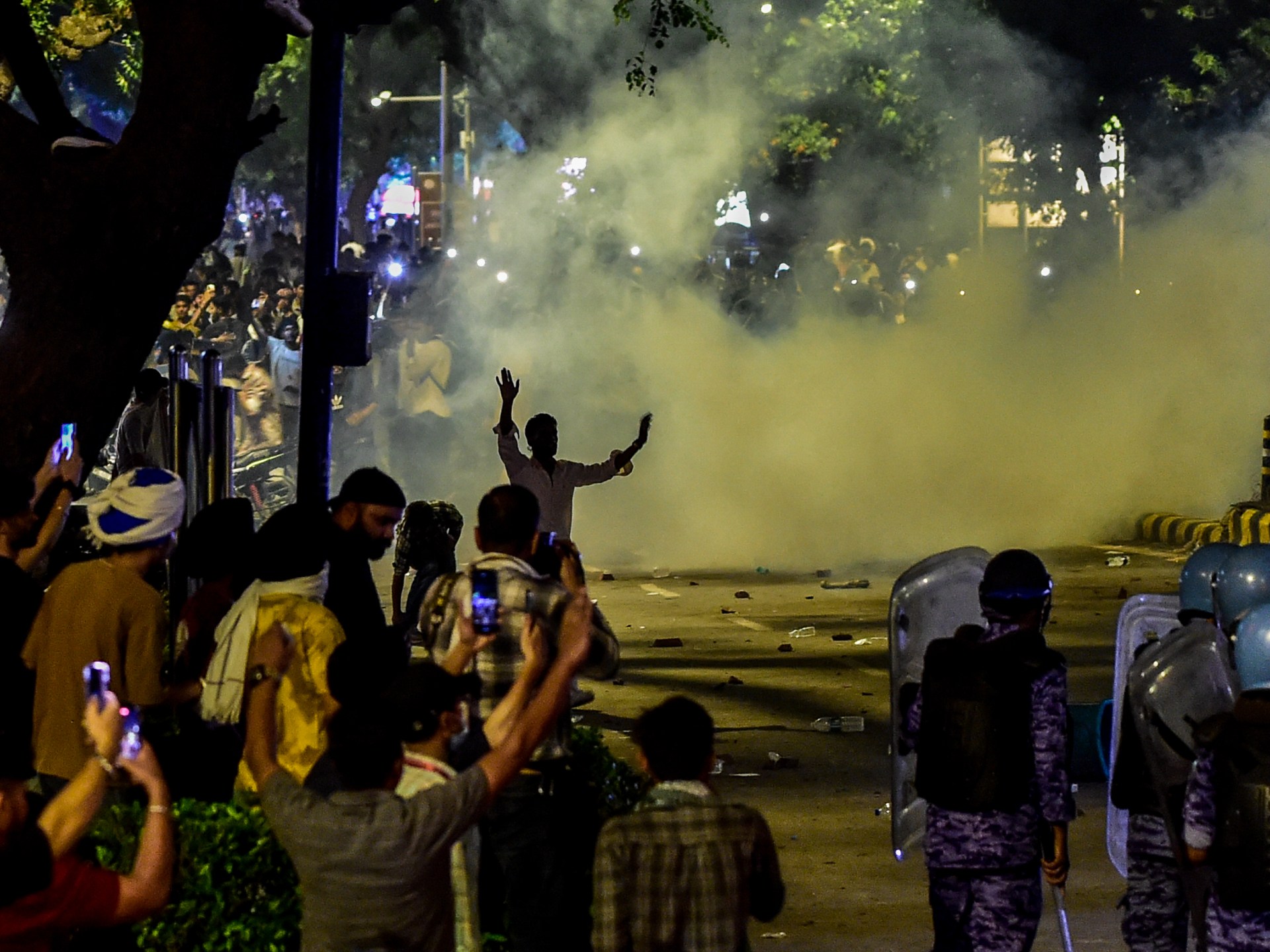
India student protests in New Delhi have escalated from a monthlong demand for education reforms into a wider confrontation with Prime Minister Narendra Modi’s government. Investigative journalist Vidya Krishnan wrote for Al Jazeera that students led by the Cockroach Janta Party are now calling for the resignations of Modi, Home Minister Amit Shah and Education Minister Dharmendra Pradhan.
The protesters have been camped at Jantar Mantar, a central Delhi protest site, for more than a month, according to Krishnan. Their initial demands focused on education reforms and Pradhan’s resignation after exam-leak allegations.
Modi has announced fast-track courts for exam-leak cases, Krishnan reported. She wrote that the government has not apologised for police action against demonstrators or indicated that officers accused of excessive force will face investigation.
Why are India student protests growing?
The demonstrations grew after activist Sonam Wangchuk was forcibly taken to Safdarjung Hospital on the 21st day of a hunger strike, according to Krishnan. Wangchuk had not eaten since June 28 in support of the students’ demands, and his hospitalisation drew more people to the protest.
The Cockroach Janta Party, or CJP, is the student-led group at the centre of the mobilisation described by Al Jazeera. Its supporters have called themselves “cockroaches,” a label used throughout the protest movement.
The CJP called for a march to Parliament on Monday, the opening day of the monsoon session, Krishnan reported. Authorities closed 16 metro stations leading toward Jantar Mantar, blocked roads and disrupted internet access, according to her account.
More than 100,000 protesters entered central New Delhi despite police warnings, Krishnan wrote. She reported that students faced tear gas, pellet guns and batons during heavy rain as they tried to reach Parliament.
What happened during the march to Parliament?
At least 200 people were injured by the end of the march, according to Krishnan. She wrote that police were filmed staging evidence, assaulting women and using spiked batons and tear gas.
The police response drew opposition parties into a separate protest outside the prime minister’s residence, Krishnan reported. Opposition leader Rahul Gandhi was detained on Tuesday, according to the account.
The protests also spread beyond Delhi, with demonstrations reported in Patna, Mumbai and Goa. Krishnan wrote that families of children who died by suicide after exam leaks joined the protests, and that farmers who had demonstrated at Delhi’s borders in 2021 returned from Punjab with food, supplies and volunteers.
After police cleared the protest site, demonstrators returned to Jantar Mantar that night, according to Krishnan. She reported that participants later cleaned the area, helped one another and documented alleged police abuses.
How has the government responded?
Krishnan wrote that Modi had not met the protesters, apologised or dismissed the education minister. She also reported that the first two days of Parliament’s monsoon session ended without Modi personally addressing the education-reform demands.
According to Krishnan, the Ministry of Home Affairs has expanded police powers by treating demonstrations as a national security threat. She also cited reports of paramilitary mobilisation and personnel being brought in from Kolkata and Kashmir to clear Jantar Mantar.
The movement follows earlier large protests during Modi’s tenure, including opposition to the Citizenship Amendment Act and the farmers’ protest, Krishnan wrote. She described the current unrest as the biggest crisis of Modi’s political career, while noting that he remains in power and has not met the students’ central demands.
This story draws on original reporting from Al Jazeera.