
Tunnel collapse at India hydropower site kills 10, leaves 17 missing
A suspected gas blast hit an under-construction tunnel in Sikkim, trapping workers and hampering rescuers with toxic air.
By Sofia Marchetti · World Affairs Correspondent
2 min read
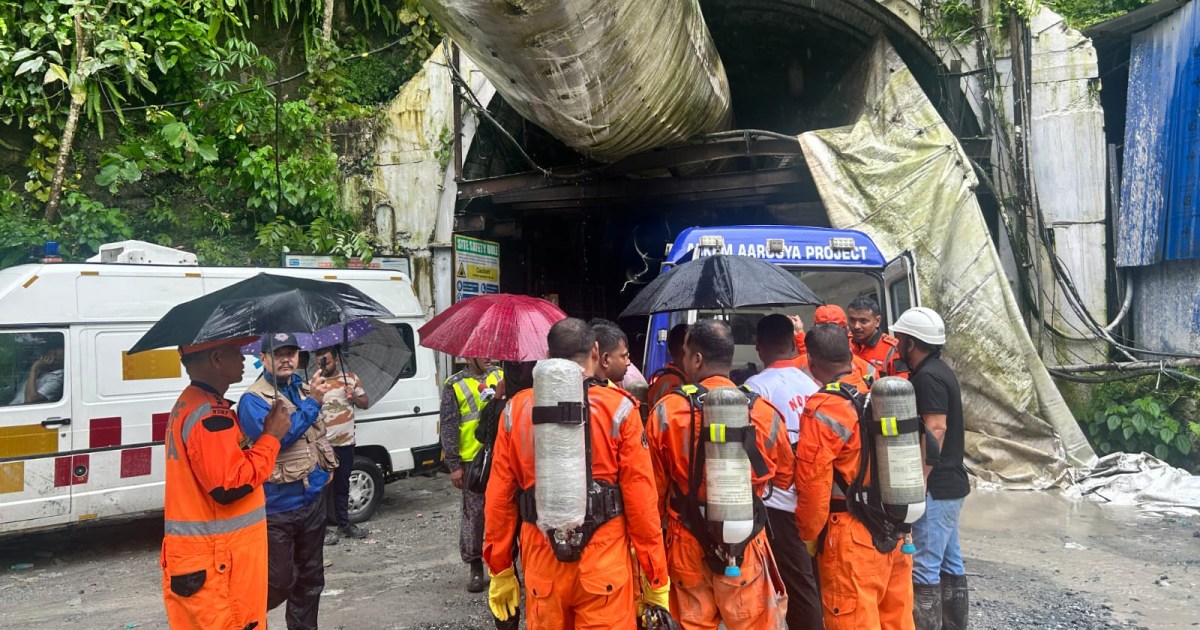
At least 10 people were killed after a suspected gas explosion brought down part of an under-construction tunnel at a hydropower project in northeastern India, officials said. Another 17 people remained missing, and rescue crews were working in dangerous air conditions inside the tunnel.
The blast occurred Monday in Samardung village in Sikkim, a Himalayan state near the borders with Bhutan and Tibet, officials said. The tunnel is part of a 500-megawatt project on the Teesta River being built for the state-owned National Hydroelectric Power Corporation, or NHPC.
Survivors told authorities they heard a powerful explosion before debris fell through the tunnel and trapped workers inside. NHPC said in a statement that the blast was believed to have been caused by a sudden release of gas, suspected to be methane, from rock inside the tunnel.
Rescue teams face toxic gases
Local police chief Sonam Dolma said authorities had recovered 10 bodies and feared 17 others were still trapped. Officials said six NHPC officials who went into the tunnel after the accident to help with rescue efforts also became trapped.
The National Disaster Response Force was among the teams sent to the site. Rescuers have had difficulty getting deeper into the tunnel because gases have built up inside, officials said.
NDRF official Nitin Kumar told reporters at the scene that teams detected methane, carbon monoxide and hydrogen sulphide in the tunnel. He said rescuers were using specialized breathing equipment while searching for survivors.
Images from the scene showed rescue personnel preparing oxygen cylinders near the tunnel entrance. Officials did not say how many workers were inside when the explosion occurred.
Teesta basin is a difficult construction zone
The project lies in the Teesta River basin, an area that experts told The Associated Press is seismically active and geologically unstable. They said the region contains young, fragile rock with fractures and underground pockets where gases can collect.
Construction accidents have been a recurring concern in India’s Himalayan region, where tunneling can be complicated by seismic activity and uncertain underground conditions. The AP reported that those factors can raise the risk of collapses and explosions during major infrastructure work.
In 2023, 41 workers were trapped for 17 days after part of a tunnel collapsed in northern Uttarakhand state. They were later rescued.
The Sikkim collapse adds to scrutiny of large hydropower and tunnel projects in the Himalayas, where India has expanded road, rail and energy construction. Officials had not announced a final cause of Monday’s blast, beyond NHPC’s statement that a gas release was suspected.
This story draws on original reporting from Al Jazeera.