
India Cockroach protests bring arrests, court orders and BJP youth pitch
Courts and state governments moved to ease cases against young protesters as police scrutiny of social media accounts widened.
By Sofia Marchetti · World Affairs Correspondent
4 min read
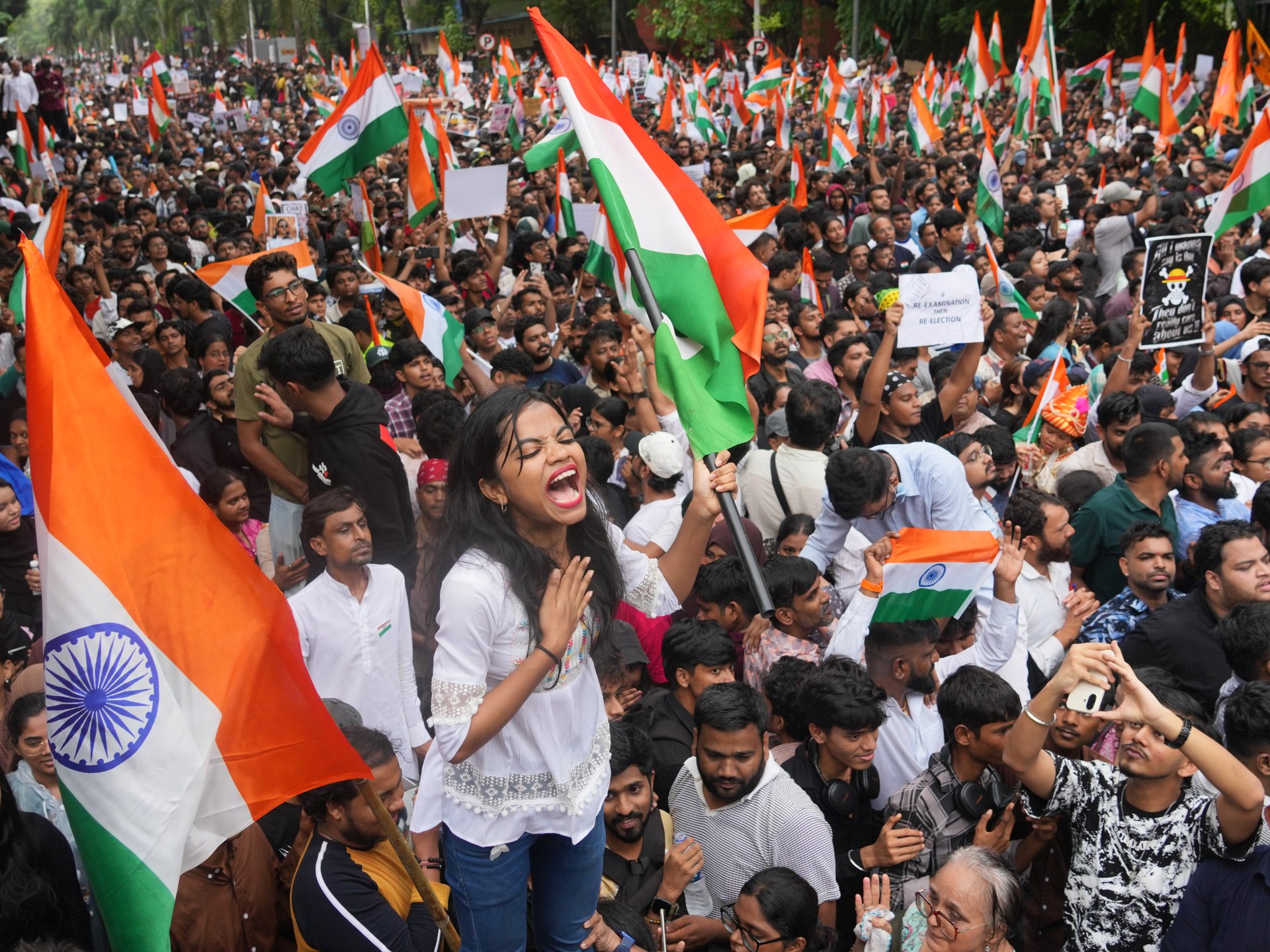
India Cockroach protests over exam paper leaks have pushed Prime Minister Narendra Modi’s government into a dual response: police action against demonstrators and a campaign aimed at winning back young voters. Al Jazeera reported that the protests became some of the largest against Modi during his 12 years in power.
The demonstrations, led by the Cockroach Janta Party, began in June at New Delhi’s Jantar Mantar after leaked medical exam papers forced students to retake tests. Al Jazeera reported that anger grew because some candidates had advance access to questions, undermining years of preparation and adding to distress after several student suicides linked to the exam scandal.
How did India respond to Cockroach protests?
Several BJP-run state governments arrested young men and women, including some under 18, and filed serious charges, Al Jazeera reported. Protesters in places including New Delhi faced batons, tear gas and pellet guns, according to the report.
India’s Supreme Court on Tuesday ordered the release of all minors detained during the demonstrations. Al Jazeera reported that some arrested protesters had already been freed after criticism from protest leaders and opposition politicians.
BJP governments in West Bengal and Maharashtra also stopped action against protesters on Tuesday, following similar steps in Bihar, Assam and Delhi, according to Al Jazeera. Those governments said they would withdraw cases against demonstrators who had demanded the resignation of Education Minister Dharmendra Pradhan, who stepped down on Saturday.
In Bihar’s Siwan district, a police officer was suspended after pointing an AK-47 at protesters and firing at least three rounds in the air, Al Jazeera reported.
What did the Supreme Court order?
The Supreme Court heard petitions from protesters and activists seeking action over alleged excessive force by police and paramilitary personnel, Reuters reported. The court ordered authorities to preserve footage from drones, body cameras and CCTV, and told them to ensure protesters’ data was not made public.
Chief Justice Surya Kant said an independent and fair inquiry was needed into alleged excesses against innocent people, according to legal website Live Law. He also said a probe would have little meaning if responsibility was not fixed.
Student activist Aishe Ghosh has asked the Delhi High Court to declare alleged mass surveillance of protesters unconstitutional and order the destruction of personal data collected during the demonstrations, Reuters reported. Al Jazeera reported that Delhi police tried to arrest Ghosh on Tuesday during a raid at the Communist Party of India (Marxist) office, before the CPM and CJP warned of further protests if she was detained.
Why are social media accounts being investigated?
Delhi Police filed a first information report over allegedly abusive posts about Modi and asked X for details about the account involved, ANI reported. The complaint alleged that derogatory, malicious and defamatory content targeting constitutional heads was being circulated online.
ANI reported that police asked X to remove the posts and videos and provide names, addresses, contact details and login information for account holders. Al Jazeera also reported that police were seen recording Instagram handles of protesters arriving at Jantar Mantar.
Opposition parties and digital rights advocates have accused Modi’s government of expanding surveillance powers and tightening control over online platforms, Al Jazeera reported. The government has denied those accusations, saying it acts in the public interest.
How is the BJP trying to reach Gen Z?
The BJP has also begun a social media push aimed at Gen Z, many of whom are children of its core voters, Al Jazeera reported. Pew Research says people under 29, including Gen Z, make up about half of India’s population.
The Hindustan Times reported that the party has posted videos using pop culture references, informal dialogue and everyday settings for political messaging. One video set in a gym argues that Pradhan’s resignation showed democratic strength rather than a victory for Jantar Mantar protesters, while pointing to government work on metros, expressways, airports and state-run higher education institutions.
CJP spokesman Saurav Das told ANI the government had not provided written assurance that all FIRs against students and protesters would be withdrawn or that protesters would face no future action. The CJP also said on X that treating online criticism as a criminal offence sends a message that the prime minister is beyond public scrutiny.
This story draws on original reporting from Al Jazeera.