
India cockroach movement reflects Gen Z pressure across South Asia
India’s education minister resigned after student protests, as youth anger over jobs, corruption and elite privilege spreads across South Asia.
By Sofia Marchetti · World Affairs Correspondent
3 min read
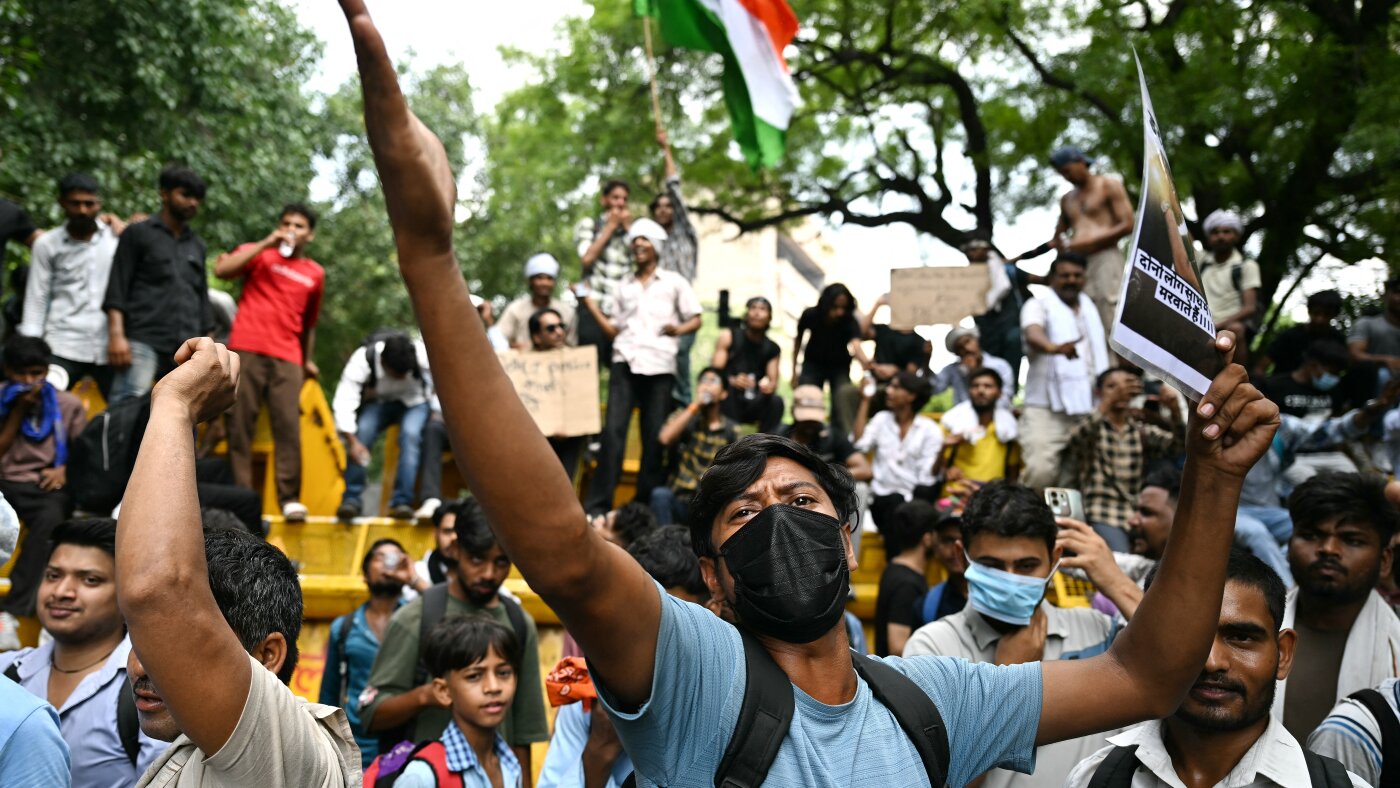
The India cockroach movement has pushed New Delhi into a political retreat, with Education Minister Dharmendra Pradhan resigning after large student protests over exam paper leaks, according to NPR. The unrest matters beyond India because similar Gen Z-led movements have recently helped unseat leaders in Nepal and Bangladesh.
NPR contributor Šumit Ganguly, a senior fellow at Stanford University’s Hoover Institution and professor emeritus at Indiana University, described the protests as part of a regional backlash against blocked opportunity, official corruption and visible elite privilege. In his analysis, the immediate triggers differed by country, but each exposed wider anger among young people who see promised economic gains passing them by.
What is the India cockroach movement?
The movement grew after Chief Justice Surya Kant made comments that many young Indians took as likening unemployed youth to “cockroaches,” NPR reported. Kant later said his remarks had been misunderstood, but protesters had already turned the word into a symbol of defiance.
The protests intensified around alleged exam paper leaks, a grievance tied directly to access to jobs and education. NPR reported that student leaders in New Delhi paused demonstrations in “good faith” after Pradhan’s resignation, while the broader complaints remained unresolved.
India’s job market is central to the anger. A report from Azim Premji University cited by NPR found that nearly 40% of graduates ages 15 to 25 are unemployed, along with 20% of graduates ages 25 to 29.
Why are Gen Z protests spreading in South Asia?
Ganguly pointed to three forces: unequal growth, corruption and the organizing power of the internet. South Asian governments have often promoted their youthful populations as an economic advantage, but many young people face weak employment prospects even after earning degrees.
In Nepal, the government in September 2025 banned 26 major social media platforms, saying the companies had not complied with rules meant to curb misinformation and online hate speech, NPR reported. Critics saw the ban as an attempt to suppress viral posts about politicians and their children living lavishly. Protests followed, and Prime Minister K.P. Sharma Oli resigned within days.
Bangladesh saw a similar youth-led rupture in August 2024, when student protests helped force longtime Prime Minister Sheikh Hasina from power, according to NPR. Those demonstrations followed a High Court decision that upheld a system reserving 30% of government jobs for descendants of veterans of the country’s 1971 independence war.
Economic inequality has sharpened the sense of exclusion. NPR cited the World Inequality Lab as finding that Bangladesh’s richest 10% hold 58.4% of national wealth, while the bottom half hold 4.7%.
In Nepal, where 56% of the population is under 30, about one in five people ages 15 to 24 were unemployed last year, according to data cited by NPR from the Federal Reserve Bank of St. Louis. Ganguly argued that the disappointment is especially acute among educated young people who expected education to lead to stable careers.
Corruption has given those frustrations a clear target. In India, one 23-year-old protester told NPR last week that leaked exam papers and payments by wealthy families had left poor students behind, asking where they were supposed to go.
Social media has also made resentment more visible and easier to organize around. Ganguly wrote that efforts to restrict online discussion, as in Nepal, can increase anger rather than contain it.
This story draws on original reporting from NPR.