
India cockroach movement forces education minister’s resignation
Dharmendra Pradhan quit after youth-led protests over exam leaks spread across India, leaving Modi facing broader student anger.
By Lucas Ferreira · Science & Environment Writer
3 min read
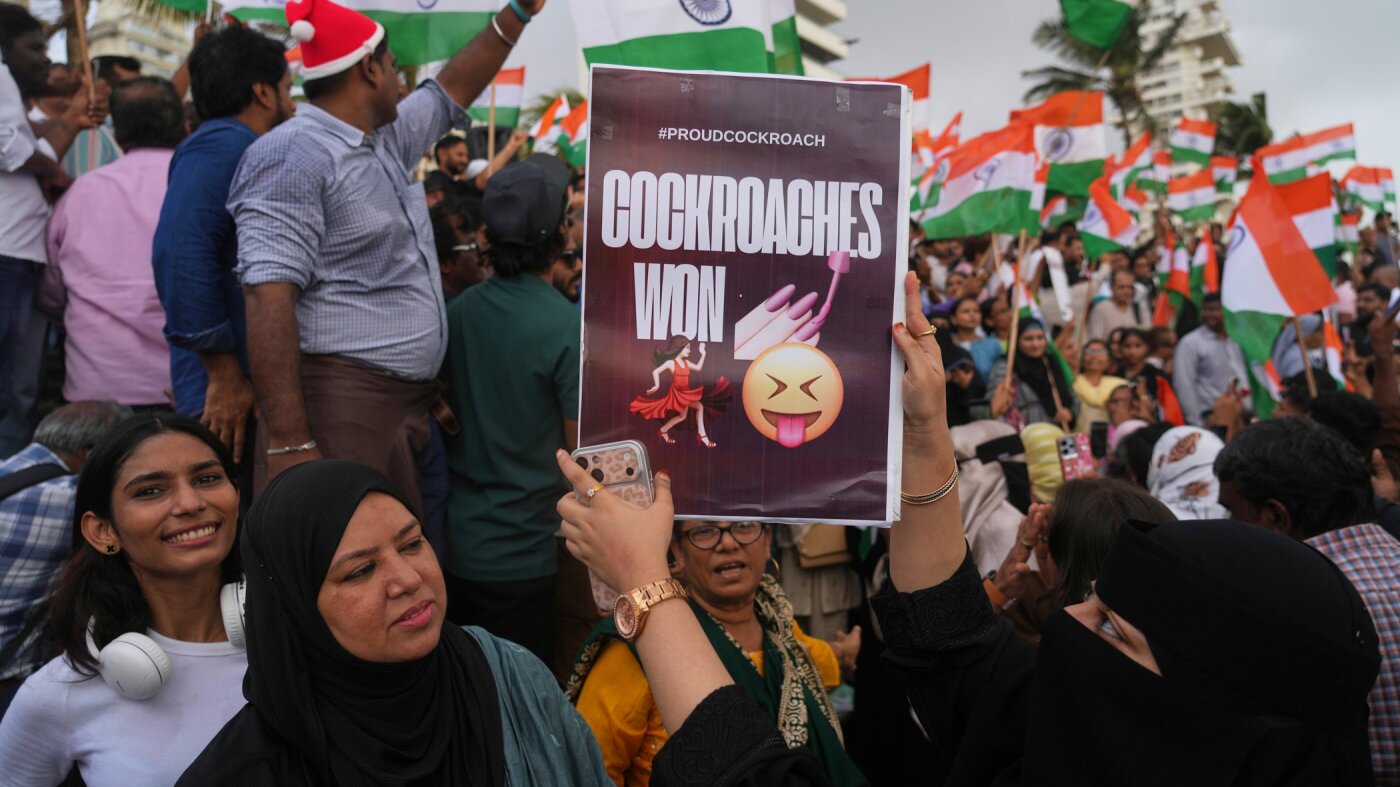
India’s education minister Dharmendra Pradhan resigned Saturday after the India cockroach movement expanded from New Delhi to more than a dozen cities, NPR reported. The resignation met a central demand from student protesters angry over leaked national exams that decide university places and government jobs.
NPR described the youth-led demonstrations as perhaps the most serious test yet for Prime Minister Narendra Modi during his 12 years in office. The protests grew after weeks in which the government first ignored the students and then attacked protest leaders, according to NPR.
What is the India cockroach movement?
The movement is led by young protesters associated with the satirical Cockroach Janta Party, founded by Abhijeet Dipke, NPR reported. The name followed a May controversy in which India’s chief justice, Surya Kant, described unemployed youth as “cockroaches,” a remark he later said had been misquoted, according to The Wire and NPR.
The group’s immediate focus has been exam integrity. Students blamed Pradhan for repeated leaks in national tests taken each year by millions of young Indians seeking college seats or government work, NPR reported.
In a two-page statement posted on X, Pradhan said he was stepping aside because he did not want student anger used by “anti-national forces,” according to NPR. He did not explain the phrase and did not apologize for the exam leaks, NPR reported.
Students near the main protest area in New Delhi cheered after the news, according to NPR. Dipke, whose group has helped organize the demonstrations, said in a statement that protesters still wanted compensation for families of students who died by suicide after a medical entrance exam paper leaked in May.
The Indian Express reported that at least a dozen students died by suicide after the announcement that roughly 2 million students would have to retake the medical entrance exam. NPR reported that some notes left behind said students could not face sitting the test again.
Why did the protests put pressure on Modi?
The demonstrations drew students from across caste, class, religion and language lines, according to political analyst Sushant Singh of Yale University, who spoke to NPR. Singh said that breadth made it harder for the state to portray the protesters as enemies.
Sociologist Raheel Dhattiwala told NPR that education can bring together young Indians across social divisions. NPR noted that India has about 367 million people ages 15 to 29, the largest youth population in the world.
The government and its allies had tried to discredit the movement before Pradhan’s resignation, according to NPR. The Hindu reported that Pradhan had called protest leaders the “B team of terrorists,” while NPR cited pro-Modi media presenters who suggested the leaders were paid by Pakistan.
The protests intensified after police removed educator Sonam Wangchuk from the New Delhi protest site while he was on a hunger strike supporting the students, NPR reported. Wangchuk said Friday he ended his 26-day fast after receiving assurances that the government would hold authorities accountable over failures in the exam system.
Modi addressed students directly in a Hindi social media post overnight Thursday, saying exam leaks were not a small matter and that accused leakers had been jailed, NPR reported. Student leaders said afterward that they had repeated their demand for Pradhan’s resignation and warned of nationwide marches if he did not quit over the weekend.
Pradhan’s exit gives protesters a visible win, but NPR reported that it remains unclear whether the movement will lose momentum or press ahead with wider demands, including action against security personnel accused of attacking demonstrators during a march toward Parliament.
This story draws on original reporting from NPR.