
Hormuz shipping deal faces legal dispute over passage clause
A maritime law scholar says a vague US-Iran memorandum left the Strait of Hormuz exposed to renewed military and legal conflict.
By Daniel Okafor · Business Editor
3 min read
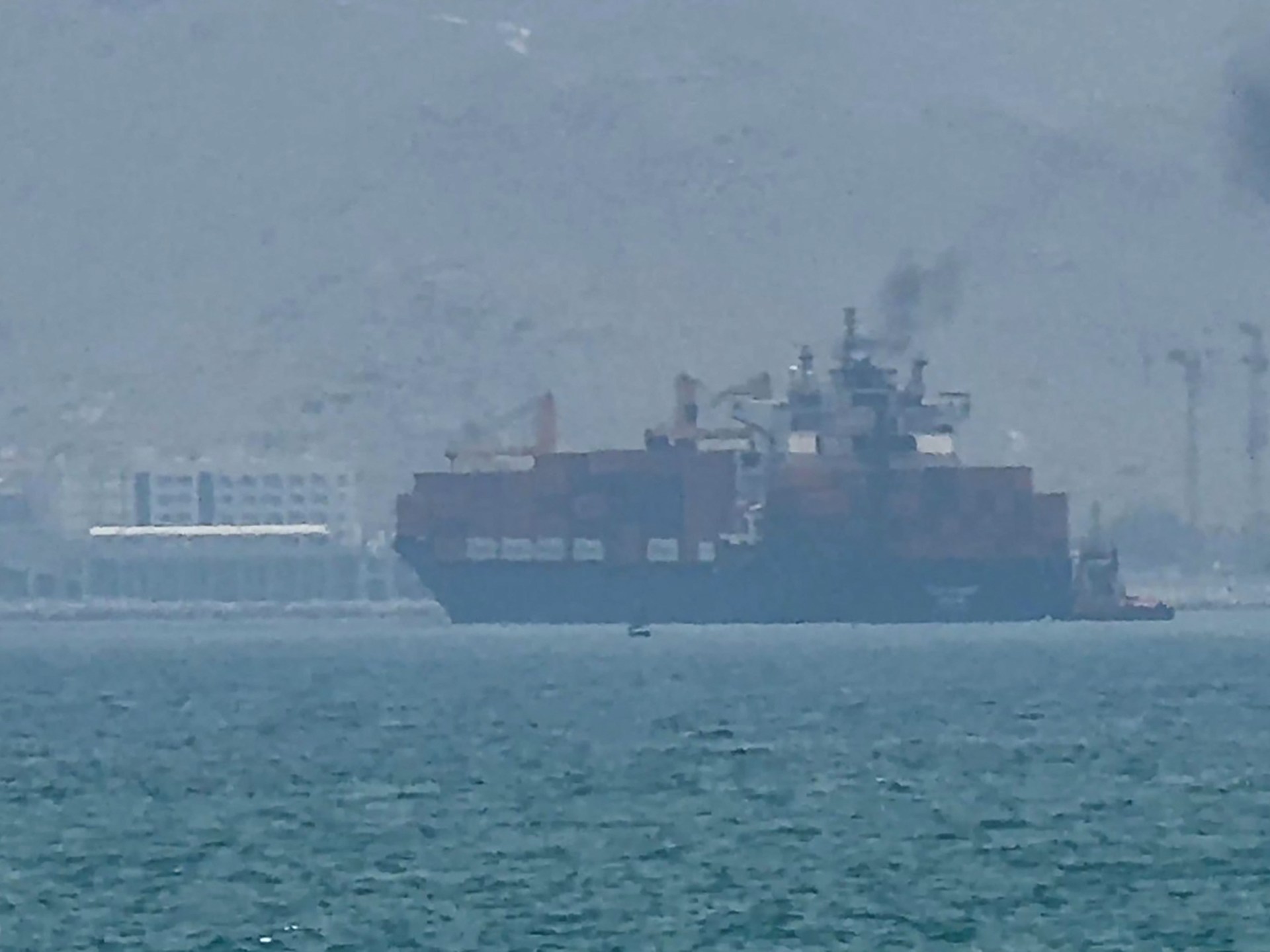
A June memorandum between the United States and Iran over the Strait of Hormuz is already under severe pressure, according to maritime law scholar Jason Chuah. The dispute matters because Article 5 of the deal concerns commercial ship movement through a waterway central to global oil traffic.
Chuah, chair of maritime law at City St George’s, University of London, wrote for Al Jazeera that the agreement’s key phrase, “safe passage of commercial vessels,” left central questions unresolved. He said the wording allowed Washington and Tehran to sign the memorandum while keeping opposing views of what the clause required.
According to Chuah, the deal came under strain within about three weeks. He said the United States was again blockading Iranian ports, the two countries were exchanging strikes on bases and military assets in the Gulf, and Trump had suggested a 20 percent charge on shipping for security in the Strait of Hormuz.
Chuah argued that the breakdown reflects flaws in the agreement rather than an unexpected collapse. Article 5 assigned Iran to make arrangements using its “best efforts” and to hold talks with Oman and other Gulf states on administration and maritime services, he said. The United States, despite its naval role and its position on freedom of navigation, was not included in those discussions, according to Chuah.
The legal ambiguity centers on whether Hormuz is governed by transit passage or a narrower right of innocent passage, Chuah said. Under the 1982 United Nations Convention on the Law of the Sea, he wrote, international straits are subject to transit passage, allowing ships and aircraft to move continuously through them without suspension by coastal states.
Iran has not ratified that convention and maintains that innocent passage applies instead, according to Chuah. On that basis, he said, Tehran argues for greater control over overflight, submarine movement and traffic routes. The memorandum did not settle that dispute, instead referring broadly to applicable international law and coastal-state rights.
Chuah said that gap could let Iran claim it has met its obligation after consultations and then set unilateral rules, including advance notice, designated corridors or service charges. He wrote that reports since the signing put possible Iranian revenue expectations from such charges in the tens of billions of dollars a year.
Even under Iran’s narrower legal view, Chuah argued, tolls for passage would not be lawful. He said coastal states may charge only for specific services provided to a particular ship, such as pilotage or towage, and that relabeling a passage fee as a maritime-service charge would not change its legal nature.
Oman is also central to the dispute because the southern side of the strait lies in Omani waters, Chuah wrote. He said Oman has stated that it is following international law, and that Iranian interference on that side would violate Omani sovereignty. He added that states bordering the strait cannot remove passage rights belonging to other countries that did not agree to the memorandum.
Chuah also said Washington’s options are legally limited. US warships may transit and protect commercial shipping under freedom of navigation principles, he wrote, but the memorandum does not authorize a US shipping charge to recover security costs.
The result, in Chuah’s view, is a legal framework being overtaken by military pressure. He said Iranian attacks on vessels, US strikes on coastal radar, missile and fast-boat targets, Iranian claims to sole control of the strait, and exchanges around Gulf bases have turned passage through Hormuz into a contest of deterrence rather than a settled legal right.
This story draws on original reporting from Al Jazeera.