
Hormuz shipping clause fuels new US-Iran clashes
Washington and Tehran accuse each other of breaching a June 15 memorandum meant to reopen the Strait of Hormuz to commercial traffic.
By Daniel Okafor · Business Editor
3 min read
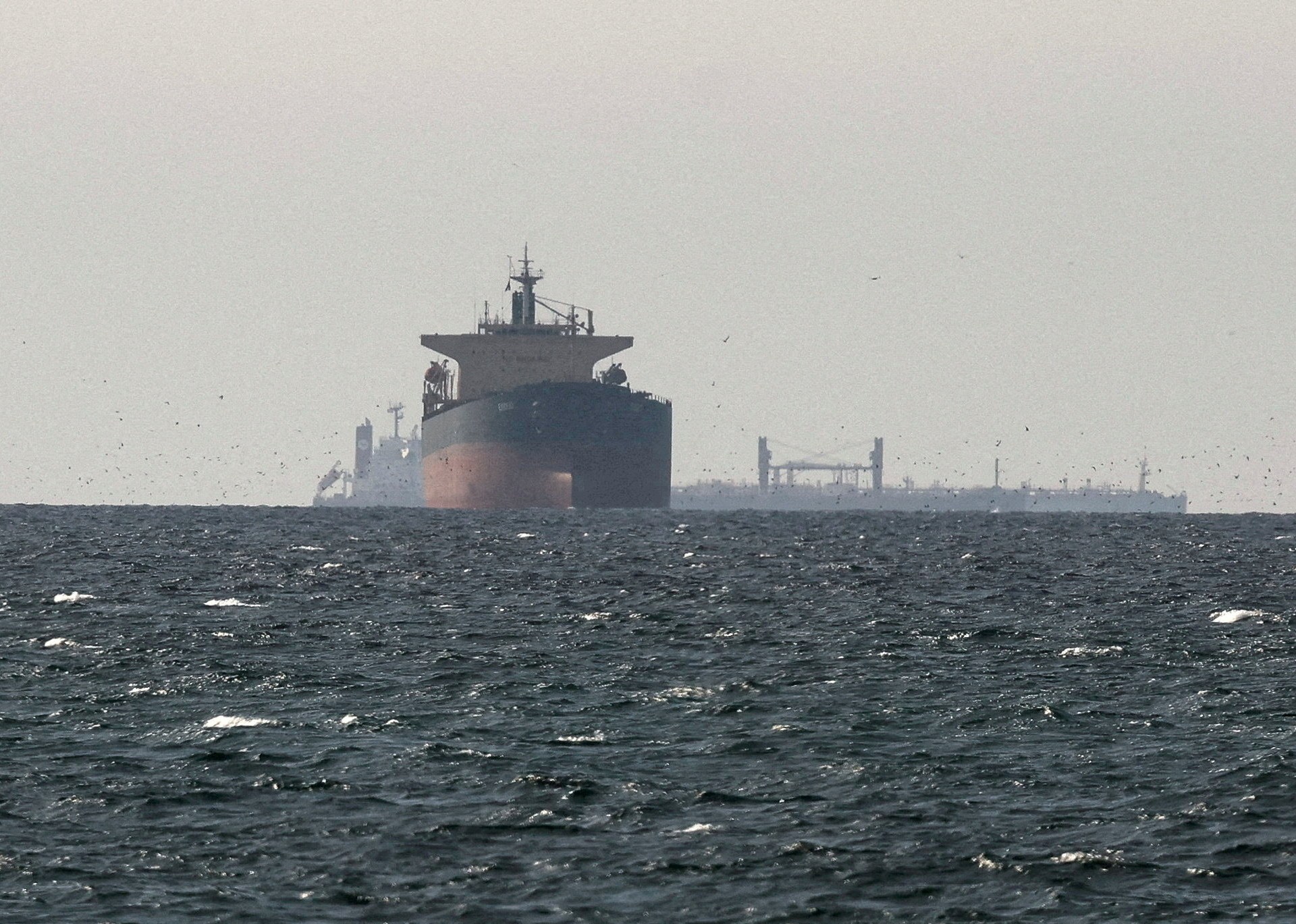
A disputed clause on commercial shipping through the Strait of Hormuz has become the focus of renewed US-Iran fighting, with both governments saying the other side broke a June 15 memorandum of understanding. The confrontation matters because the waterway is a key route for Gulf energy exports and had already been disrupted by Iran’s blockade, according to Al Jazeera.
The weekend exchanges were the first reported direct strikes between the United States and Iran since the memorandum was signed, Al Jazeera reported. The agreement’s Article 5 calls for commercial vessels to move safely through the strait, but Tehran and Washington are reading its limits differently.
What Article 5 says
Article 5 says Iran will use its “best efforts” to provide safe passage for commercial vessels through the Strait of Hormuz for 60 days without charging fees, according to the text cited by Al Jazeera. It also requires Iran to remove technical and military barriers and complete demining within 30 days.
The same provision says Iran will hold talks with Oman on future administration and maritime services in the strait, in discussion with other Gulf coastal states and under international law. The issue has been central to negotiations because Iran has used control of the passage as leverage, while the United States and Gulf governments have rejected Iranian proposals to charge vessels, according to Al Jazeera.
Iranian Foreign Minister Abbas Araghchi said during a visit to Baghdad that Iran retains full oversight of the strait during the 30-day period for clearing obstacles. He said any outside intervention or unilateral move would worsen conditions and slow the reopening.
Ships hit and traffic falls
The latest escalation began after the Singapore-flagged Ever Lovely was struck by a drone on Friday, Al Jazeera reported. The Panama-flagged Kiku was hit on Saturday, and US Central Command said it launched strikes in response to what it called Iranian aggression against commercial shipping.
Iran did not claim the Friday attack on the Ever Lovely, according to Al Jazeera. Iran’s Islamic Revolutionary Guard Corps said later that it fired ballistic missiles and drones at US forces at Ali Al Salem Air Base in Kuwait and at the US Fifth Fleet headquarters in Bahrain after US strikes on five coastal sites in Iran.
Windward AI, a maritime traffic monitor, said the IRGC warned ships on Thursday that the only approved route was the northern corridor through Iranian territorial waters. Windward AI said four tankers using the southern route in Omani waters were forced to turn back that day.
Lloyd’s List reported that three other tankers changed course but eventually completed passage, including one that moved from the southern route to the northern route. Windward AI said traffic through the strait fell from 70 transits on Wednesday to 54 on Thursday and 40 on Saturday.
Both sides allege violations
Iran’s Foreign Ministry called the US strikes on Friday and Saturday a breach of the UN Charter and of the memorandum’s first paragraph. The ministry said the attacks showed Washington did not value its commitments.
US President Donald Trump wrote on Truth Social on Sunday that US forces had struck Iranian missile and drone storage sites and coastal radar locations, accusing Iran of violating the ceasefire agreement. He warned that the United States could “militarily complete the job” if the conflict continued.
US Vice President JD Vance said Saturday that Washington had honored the ceasefire and that “violence will be met with violence.” Bahrain and Kuwait condemned Iranian attacks for a second consecutive day, according to Al Jazeera.
Hassan Ahmadian, an associate professor at the University of Tehran, told Al Jazeera that Washington was trying to change arrangements it had accepted on June 15. Tehran-based analyst Abas Aslani told Al Jazeera that Iran sees the strait as leverage against future US attacks, while Vienna-based defence analyst Wolfgang Pusztai said neither side’s strikes suggested a full escalation was certain.
This story draws on original reporting from Al Jazeera.