
Trump ally frames US-Iran memorandum as tactical pause
Adolfo Franco argued the US-Iran MoU is a temporary break aimed at buying time, not a peace deal or durable diplomatic framework.
By Lucas Ferreira · Science & Environment Writer
3 min read
A memorandum of understanding between the United States and Iran has prompted a defense from Adolfo Franco, a Republican political strategist and former Donald Trump campaign surrogate, who described it as a calculated pause rather than a peace settlement. Writing for Al Jazeera, Franco argued that the document should be understood as a short-term move shaped by pressure, timing and security needs.
Franco said critics have portrayed the MoU as a poor outcome for Trump and a win for Tehran. He rejected that reading, arguing that Trump’s team entered the talks without expecting Iran to honor any commitments that would restrict its central aims.
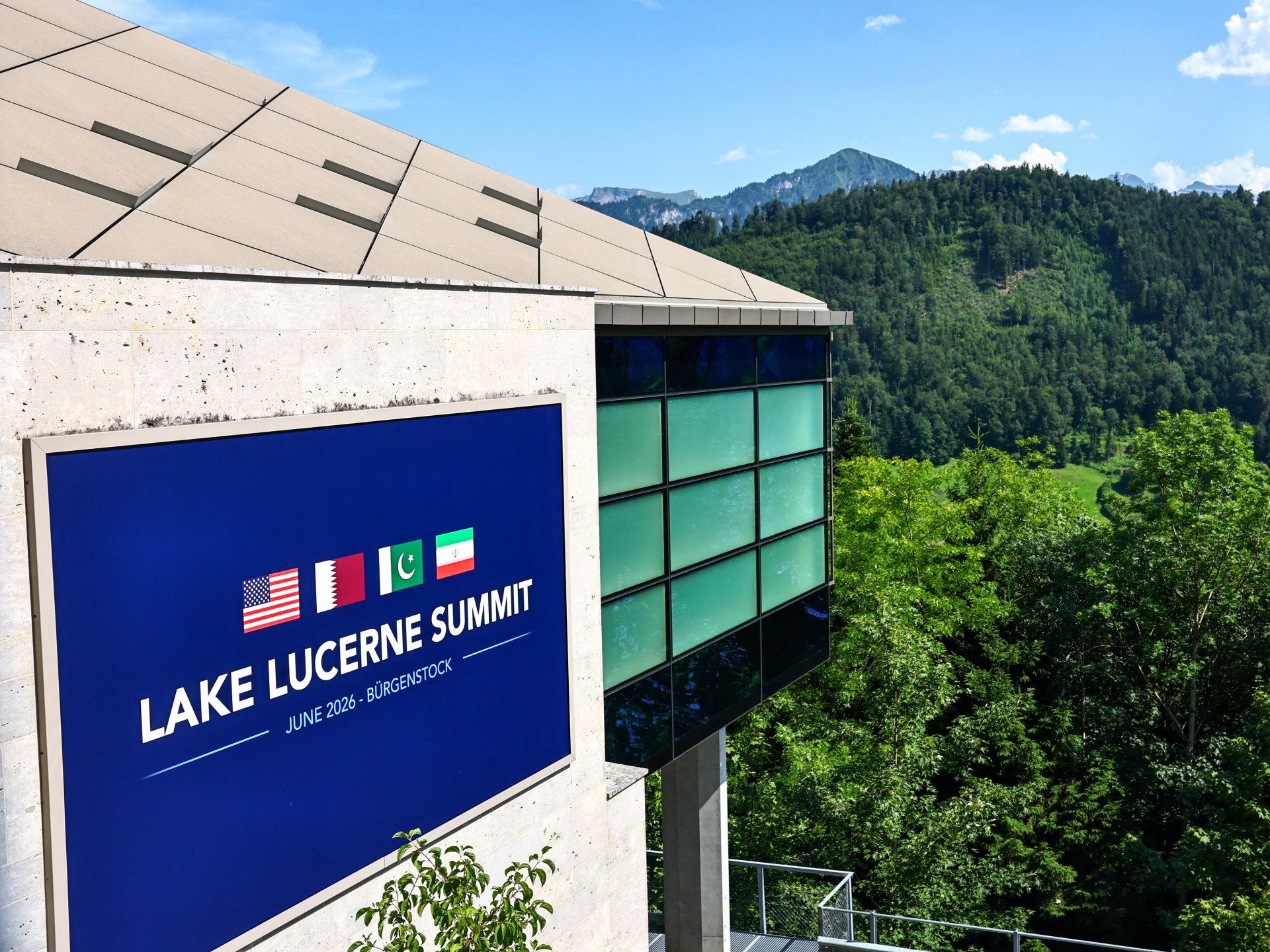
The agreement followed US-Iran talks in Switzerland, where a Reuters photograph showed a Lake Lucerne Summit poster at the Buergenstock Resort in Stansstad on June 21, 2026. Franco’s commentary was published on June 28.
Argument centers on Iran’s record
Franco based his case on what he called Iran’s long pattern of negotiating when under pressure, accepting commitments to reduce that pressure, and later resuming the same strategic course. He said the 2015 Joint Comprehensive Plan of Action, the nuclear deal negotiated by world powers and Iran, was the clearest recent example of that cycle.
According to Franco, the JCPOA did not alter Iran’s conduct and instead gave Tehran room to sustain proxy groups and pursue its wider security goals. He described Trump’s “maximum pressure” policy as a response to that experience, arguing that Iran can be constrained only when pressure leaves it with few alternatives.
Franco also focused on Iran’s nuclear program. He said Iran, as a party to the Non-Proliferation Treaty, had committed to cooperation with the International Atomic Energy Agency but had repeatedly breached those obligations by limiting inspections, building secret enrichment facilities, destroying evidence and misleading other governments.
He argued that Iran’s insistence on domestic enrichment shows a weapons objective, saying civilian nuclear needs could be met by buying fuel from abroad, including from Russia. Franco said Iran’s leaders have continued that course despite sanctions that, in his account, have hurt ordinary Iranians by increasing poverty, weakening the middle class and restricting access to medicines and opportunity.
Washington and Tehran seen as buying time
Franco said Iran’s leadership could gain sanctions relief and better relations by abandoning a nuclear weapons program, ending offensive ballistic missile work and stopping support for armed proxies. He argued that Tehran has consistently refused that trade-off.
In Franco’s view, the MoU gives Iran time to seek economic relief, rebuild resources and wait out the Trump administration. He noted that Trump had about two and a half years left in office and said Tehran may see surviving that period as a political success.
Franco said Washington has different reasons for accepting a pause. He pointed to the need to keep the Strait of Hormuz open, warning that disruption there could drive a global energy price shock. He also said the United States needs time to restock military inventories and preserve options for future action.
The commentary argued that the MoU will not settle the conflict over Iran’s nuclear program or regional activity. Franco said the central test will be whether the United States and its partners are better prepared if the pause ends and tensions return.
This story draws on original reporting from Al Jazeera.