
Iran-US memorandum strains after Gulf strikes and Hormuz disruption
Iran’s Revolutionary Guard said it hit US sites in Kuwait and Bahrain after US strikes, putting a June 17 memorandum with Washington under pressure.
By James Whitfield · Staff Writer
3 min read
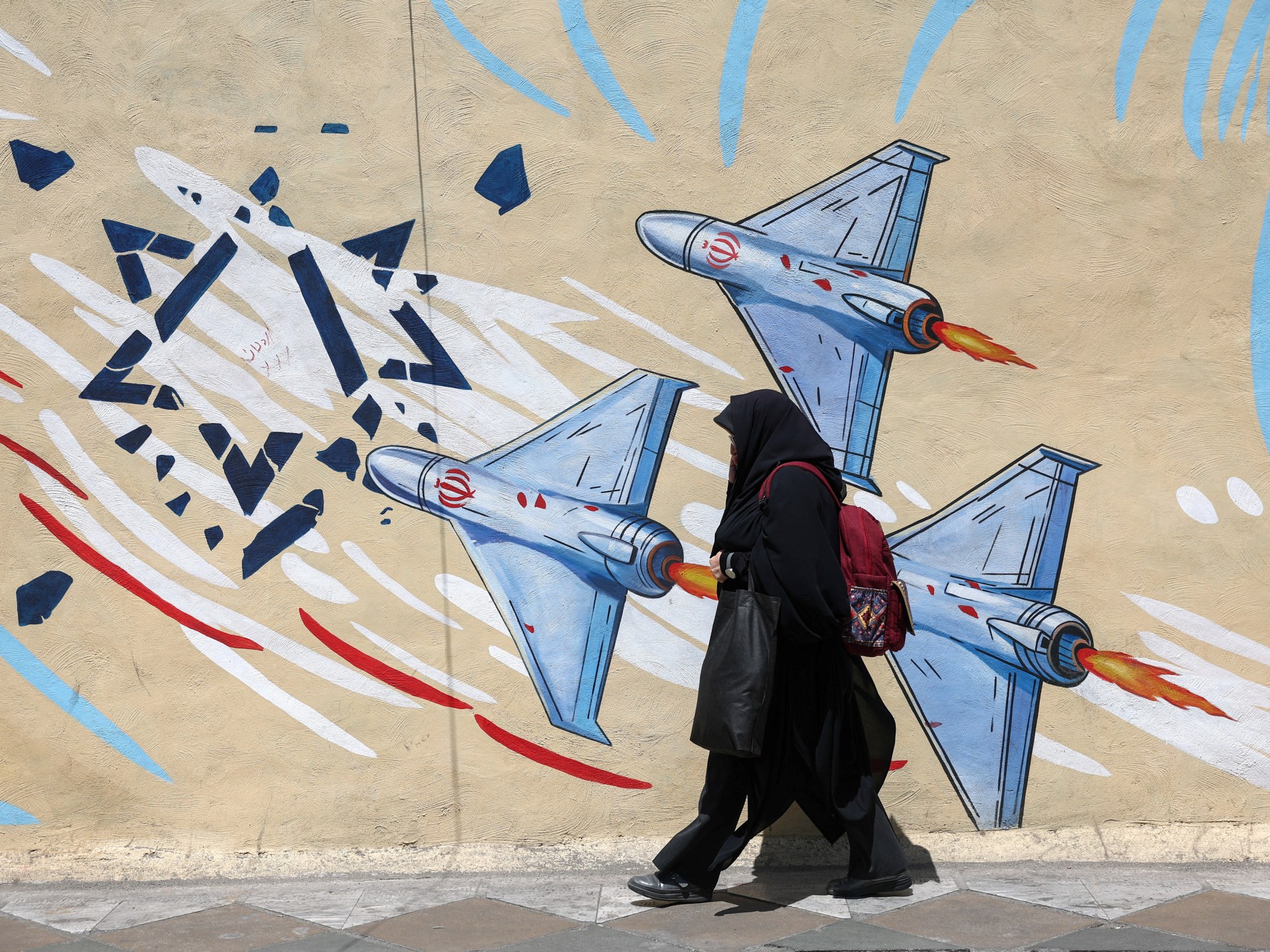
A memorandum signed by Iran and the United States on June 17 is under growing strain after two days of military exchanges and a separate US-brokered Lebanon agreement, Al Jazeera reported. The dispute matters because Iran is also asserting control over traffic near the Strait of Hormuz, a critical route for global energy shipments.
Iran’s Islamic Revolutionary Guard Corps said on Sunday that it launched missiles and drones at the US Ali Al Salem airbase in Kuwait and the US Fifth Fleet in Bahrain. The IRGC described the attacks as retaliation for a second day of US strikes and warned of further action if Washington violates the memorandum again, according to Al Jazeera.
The IRGC also released video of ballistic missile launches overnight, Al Jazeera reported. Messages written on the missiles in English and Persian accused US President Donald Trump of insisting on a “defeated war.”
The latest exchanges followed US efforts to coordinate ship movements out of the Strait of Hormuz with Oman and the International Maritime Organization, according to Al Jazeera. Many vessels were being routed through Omani waters, prompting the IRGC to strike a container ship and a tanker with explosive drones in an effort to push traffic through Iranian waters instead, Al Jazeera reported.
Iranian Foreign Minister Abbas Araghchi told reporters in Iraq on Sunday that Iran would exercise sole management and oversight of the waterway for 30 days before allowing full traffic to resume. He also pointed to the first clause of the June 17 memorandum, which calls for military operations to end immediately and permanently on all fronts, including Lebanon, and urged Washington to pressure Israel to stop attacks in southern Lebanon.
The Lebanon issue has added another pressure point. Israel and Lebanon reached a US-brokered framework agreement on Friday that allows Israeli forces to remain in southern Lebanon until Hezbollah is fully disarmed, Al Jazeera reported. Hezbollah rejected the deal, calling it “humiliating, shameful and a surrender” of Lebanese sovereignty.
Negar Mortazavi, a senior fellow at the Center for International Policy, told Al Jazeera that she expected the Lebanon agreement to hurt the Iran-US memorandum because Hezbollah did not support it and previous ceasefire deals between Lebanon’s government and Israel had been repeatedly violated. She said Iran had gained leverage through the Strait of Hormuz, calling it a “golden card” because disruption to oil exports had affected markets and made the war unpopular among many people, including in the United States.
Iranian political leaders also signalled a harder line. President Masoud Pezeshkian, Speaker and chief negotiator Mohammad Bagher Ghalibaf and judiciary chief Gholam-Hossein Mohseni-Ejei released an image on Saturday of their first public trilateral meeting since the war began more than four months ago, Al Jazeera reported.
Supreme Leader Mojtaba Khamenei has not appeared publicly since succeeding his father, Ayatollah Ali Khamenei, who Al Jazeera reported was killed in a US-Israeli attack on the first day of the war. A written message attributed to Mojtaba Khamenei on Sunday said “the criminals must be seized by the collar” and punished.
Financial markets in Iran weakened after the attacks, according to Al Jazeera. The rial gave up gains made since the memorandum and traded at about 1.7 million to the dollar on Tehran’s open market on Sunday, while the Tehran Stock Exchange’s main index fell by more than 100,000 points to just over five million.
A 37-year-old Tehran mechanic and car-parts dealer identified by Al Jazeera as Vahid said the market had improved only slightly since the deal with Washington and remained fragile. He said parts for foreign cars were becoming harder to find and that prices for both domestic and imported vehicle parts were rising quickly.
This story draws on original reporting from Al Jazeera.