
Heatstroke guidance highlights urgent cooling steps during heatwaves
As high temperatures strain households, Al Jazeera outlined how to reduce heatstroke risk, respond to symptoms and cool living spaces.
By Lucas Ferreira · Science & Environment Writer
3 min read
Heatwaves in several regions have pushed summer safety back into focus, with Al Jazeera warning that extreme heat can trigger serious illness when the body cannot cool itself. The most urgent concern is heatstroke, a medical emergency that can cause organ failure, brain damage or death if treatment is delayed.
Al Jazeera said heatstroke, sometimes called sunstroke, occurs when the body’s internal temperature rises above 40 degrees Celsius, or 104 degrees Fahrenheit. Warning signs can include confusion or an altered mental state, a fast heartbeat, rapid breathing, high body temperature, dehydration and nausea.
How to reduce the risk
Al Jazeera’s guidance starts with basic steps to lower heat exposure and help the body regulate temperature. It recommends drinking plenty of water, wearing sunblock and choosing loose cotton clothing during hot conditions.
The guidance also urges people to stay out of direct sun, particularly in the afternoon, and to avoid exercising during the hottest part of the day. It says living spaces should be ventilated and cooled where possible.
- Drink enough water throughout hot days.
- Use sunblock when outdoors.
- Wear loose clothing made from cotton.
- Do not leave anyone inside a parked car.
- Avoid direct sunlight, especially during afternoon heat.
- Skip exercise during the hottest hours.
- Cool and air out living areas.
- Take cool showers.
- Eat lightly.
- Be careful with medications in hot weather.
What to do for suspected heatstroke
Al Jazeera said emergency services should be called immediately when heatstroke is suspected. While waiting for professional help, the priority is to lower the person’s body temperature and move them away from the heat.
The person should get out of direct sun, lie down and raise their feet, according to the guidance. Tight clothing should be removed, and a fan or air conditioner can be used to help cool the body.
Cold compresses can also be applied. Al Jazeera said water should be offered only in small sips and only if the person is fully conscious.
Cooling a home without full air conditioning
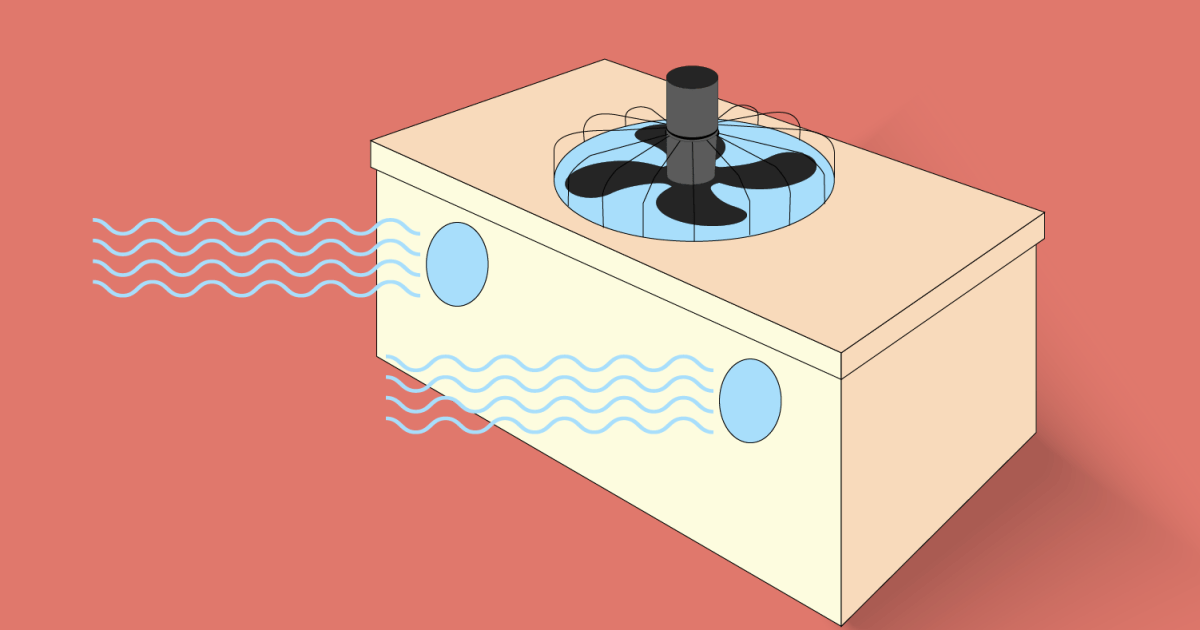
For households without air conditioning, or those trying to limit energy use, Al Jazeera described a temporary cooling option made with a styrofoam cooler, ice and a fan. It said the device may offer short-term relief on very hot days, though it does not necessarily address humidity.
The outlet also pointed to natural airflow as an energy-saving way to cool a home. Opening and closing selected windows and doors can help steer a breeze through the areas where cooler air is needed most.
Al Jazeera framed the measures as practical ways to limit heat stress during periods of extreme temperatures. Its heatstroke guidance emphasizes that cooling efforts at home do not replace emergency care when serious symptoms appear.
This story draws on original reporting from Al Jazeera.