
Haitian TPS ruling raises alarm over U.S. caregiving shortages
Lawmakers and health experts say ending protections for Haitians could strain hospitals, nursing homes and home care agencies.
By James Whitfield · Staff Writer
3 min read
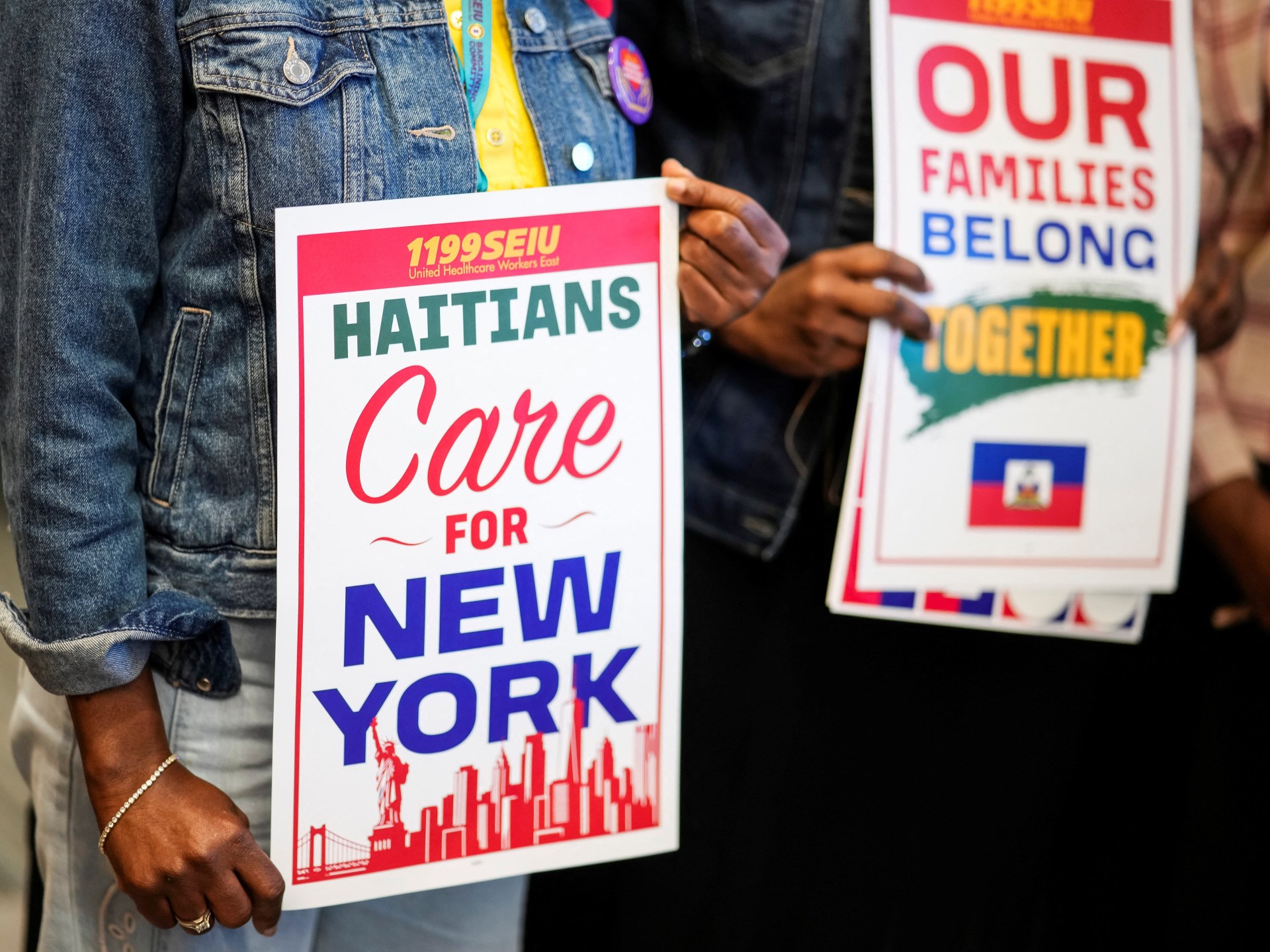
A U.S. Supreme Court decision allowing the Trump administration to end Temporary Protected Status for Haitians could remove legal work authorization for hundreds of thousands of people, including many in healthcare jobs. Lawmakers and health policy experts say the change could intensify staffing shortages in nursing homes, hospitals and home care.
The June 25 ruling cleared the way for President Donald Trump’s administration to terminate TPS protections for Haitians, part of a broader effort to restrict immigration. According to PolitiFact, the decision affects about 330,000 Haitians whose TPS-related work authorizations expire July 10 unless they qualify for another legal status.
Temporary Protected Status allows people from countries facing crises such as armed conflict or natural disasters to live and work in the United States for limited periods. The federal government had renewed some designations repeatedly before Trump returned to office in 2025, according to PolitiFact.
Healthcare workforce concerns
Republican Representative Mike Lawler wrote on X that roughly one-third of more than 350,000 Haitian TPS holders work in the healthcare system, warning that ending TPS immediately would affect hospitals, nursing homes and care for people with intellectual disabilities. PolitiFact reported that Lawler’s estimate falls within the range shown by available data.
Democratic Representative Ayanna Pressley also warned that older adults could lose caregivers and support that helps them remain in their communities.
The Boston Globe found that about 13,000 Haitian TPS holders work each day as nursing assistants and care for 65,000 patients. Americans for Immigrant Justice, a Miami-based nonprofit law firm, said another 8,000 Haitian caregivers serve 12,000 children and older people.
Experts cited by PolitiFact said the effects would likely be strongest in New York, Massachusetts and Florida. Florida has about 158,000 Haitian TPS holders, most of them in South Florida, and the state has the largest TPS population in the country, at nearly 404,000 people, according to the nonpartisan Congressional Research Service. More than half of Florida’s TPS recipients are from Venezuela and about one-third are from Haiti, the research service said.
A strained eldercare system
Healthcare researchers said the loss of Haitian TPS workers would hit a system that already lacks enough direct care staff. A 2025 study cited by PolitiFact found TPS recipients account for 15 percent of all noncitizen healthcare workers, while making up about 2.1 percent of the immigrant population.
Immigrants represent a large share of direct care workers, including home health aides, personal care aides and nursing assistants. The U.S. population age 65 and older is projected to grow from 58 million to 82 million by 2050, a 42 percent increase, adding to demand for long-term care.
PolitiFact reported that nearly half of U.S. nursing homes have limited admissions because of staffing shortages, while 19 percent recently met minimum staffing levels set by the Centers for Medicare & Medicaid Services. In 2023, shortages of nurses and other staff led about two-thirds of U.S. hospitals to operate below capacity.
David Grabowski, a Harvard Medical School professor of healthcare policy, said the TPS decision would have a major effect on nursing homes, assisted living facilities and home care agencies. Dr. Steffie Woolhandler, a public health professor at Hunter College, said deportations would worsen a long-running shortage of nursing aides.
Drishti Pillai of KFF said long-term care already faced shortages before the immigration policy changes. Priya Chidambaram, also of KFF, said direct care jobs can be hard to fill because they are demanding, low paid and often come with few or no benefits.
Experts cited by PolitiFact said Haitian TPS holders are concentrated in caregiving partly because the jobs are available, may have lower licensing or English-language barriers, and may align with family caregiving experience. Grabowski said there are not enough U.S.-born workers to fill all caregiving positions.
This story draws on original reporting from Al Jazeera.