
UN agency warns El Nino is set to strengthen through September
The World Meteorological Organization said stronger El Nino conditions could raise risks from heatwaves, drought and heavy rain.
By Lucas Ferreira · Science & Environment Writer
3 min read
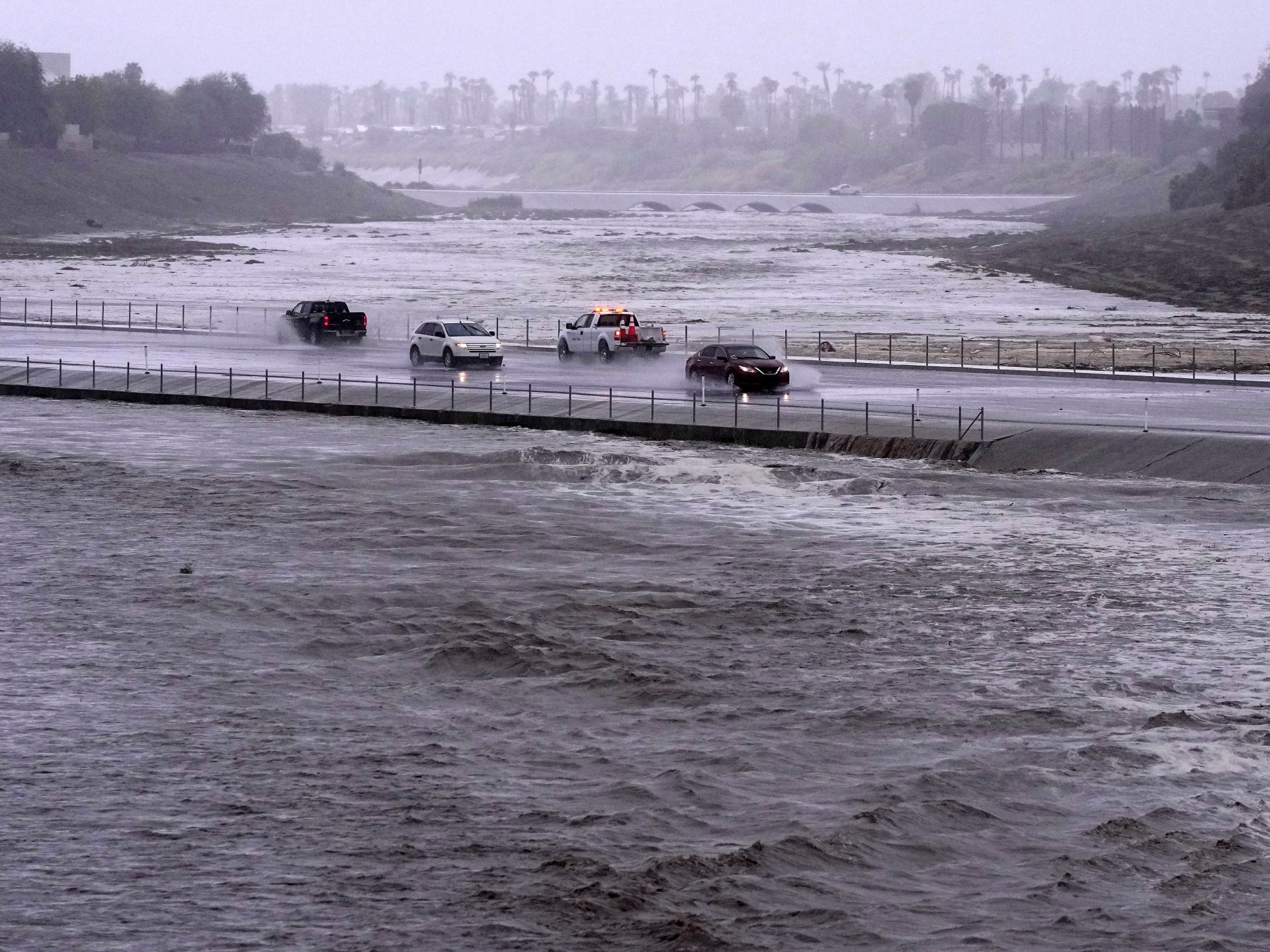
The World Meteorological Organization warned governments and aid groups to prepare for more extreme weather as El Nino strengthens. The UN weather agency said Friday that the climate pattern is already under way and is expected to build quickly from July through September, increasing risks from heat, drought and heavy rainfall.
The agency said it has activated climate information services and early warning systems to help countries and humanitarian organisations plan for possible disruptions. Those efforts are aimed at supporting farmers and communities considered vulnerable to weather shocks, according to the WMO.
WMO Secretary-General Celeste Saulo said the agency’s forecasts had anticipated the rapid strengthening of El Nino conditions. She said the pattern would raise the chances of drought and heavy rainfall, as well as heatwaves on land and marine heatwaves in many parts of the world.
Saulo said seasonal forecasts and early warnings are needed to protect lives and reduce damage to economies and communities. El Nino typically reaches its peak between November and February, according to the WMO.
What El Nino does
El Nino is a natural climate phenomenon linked to warmer surface waters in the central and eastern equatorial Pacific Ocean. The WMO says that warming can alter winds, air pressure and rainfall patterns around the world.
Events usually occur every two to seven years and often last nine to 12 months, according to the agency. The effects are uneven, and the WMO said some parts of the world may not be affected by a given event.
El Nino is one phase of the El Nino-Southern Oscillation, or ENSO. Its opposite phase is La Nina, with neutral conditions occurring between the two, according to the WMO.
The agency also said extreme weather can occur even when ENSO is in a neutral phase. That means the presence of El Nino can increase certain risks, but it is not the only driver of dangerous weather.
Ocean heat adds to concern
The WMO said Thursday that global ocean temperatures reached a new high in June, with El Nino partly contributing to the warmth. The agency linked the current warning to the broader risk of heat-related and rainfall-related extremes in many regions.
The last El Nino helped make 2023 the second-hottest year on record and 2024 the hottest year recorded, according to the WMO. The agency said 2024 was about 1.55 degrees Celsius, or 2.79 degrees Fahrenheit, above the 1850-1900 pre-industrial average.
The WMO’s alert was directed at governments and humanitarian organisations as they prepare for potential impacts on agriculture, public health and communities exposed to weather extremes. The agency said early planning is intended to give officials more time to put support measures in place before the strongest period of the event.
This story draws on original reporting from Al Jazeera.