
Man dies after self-immolation outside UN headquarters in New York
New York police said a 52-year-old man holding a Tibetan flag died after setting himself on fire near the United Nations headquarters.
By Lucas Ferreira · Science & Environment Writer
3 min read
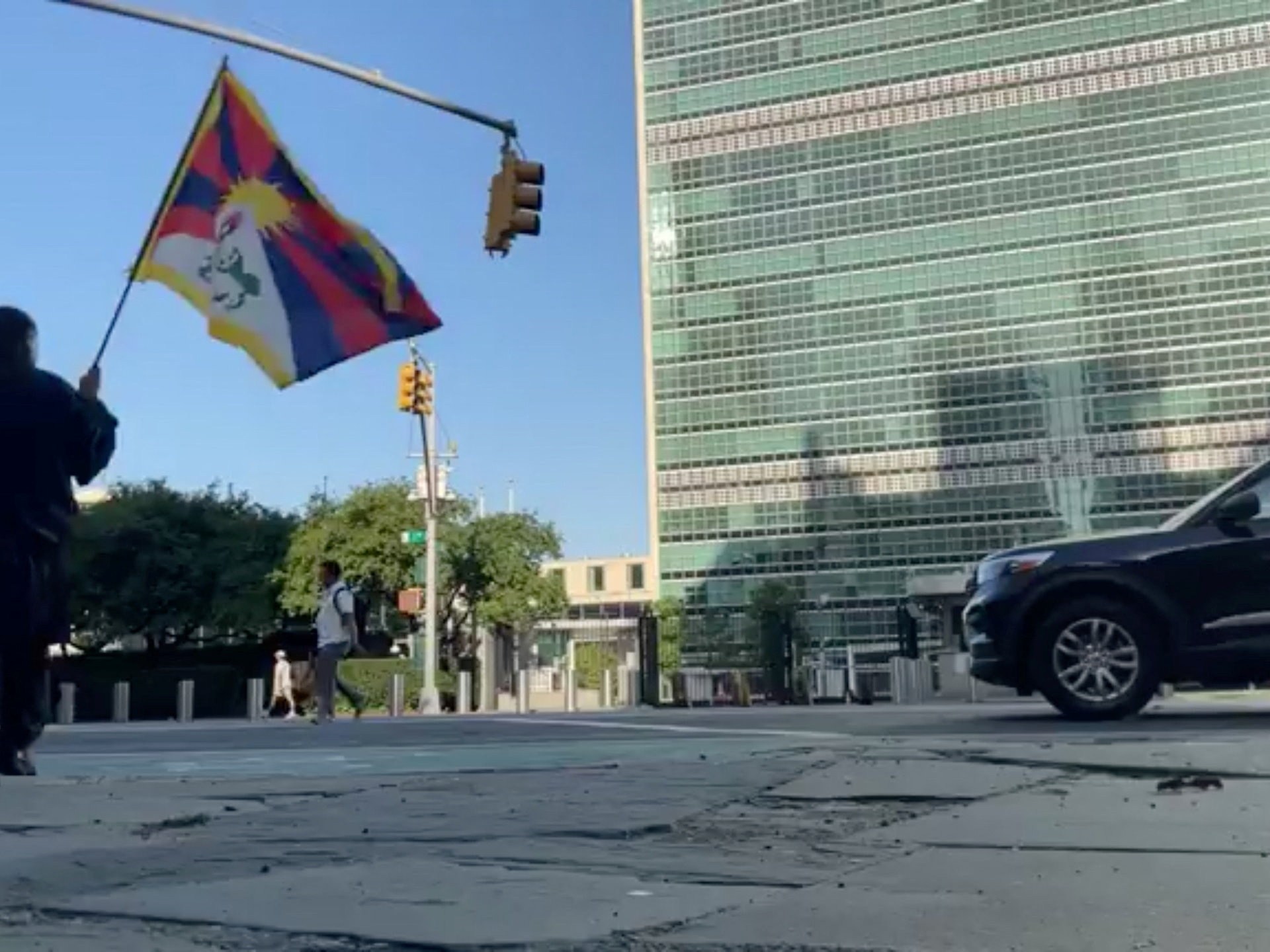
A 52-year-old man died after setting himself on fire outside United Nations headquarters in New York while carrying a Tibetan flag, New York police said. The death drew attention to long-running tensions over Tibet and to concerns raised by rights advocates about China’s treatment of Tibetans.
The New York Police Department said officers responded to an emergency call at about 6:30 p.m. local time on Thursday and found the man with severe burns across his body. Police said he was taken to a hospital, where he was pronounced dead.
Police said the case remained under investigation and did not confirm a motive. They also did not publicly identify the man or confirm whether he was connected to any political campaign.
A spokesperson for UN Secretary-General Antonio Guterres told AFP that the United Nations was saddened by the incident and expressed condolences to the man’s family.
Activist group identifies the man
US media reports and a pro-Tibet activist described the man as a campaigner for Tibet. Tencho Gyatso, president of the International Campaign for Tibet, identified him to AFP as Lobga Rangzen.
Gyatso said Rangzen had worked to draw attention peacefully to human rights conditions in Tibet. She also said he had opposed China’s new Law on Promoting Ethnic Unity and Progress, which Beijing says is intended to build a shared national identity among ethnic groups.
Campaigners outside China say the law will further erode the rights of minorities, including Tibetans and Uighurs, whom Beijing has been accused of persecuting. The United States and the European Union have also voiced concern about the law, which includes provisions allowing Beijing to act against people beyond China’s borders.
The International Campaign for Tibet says more than 150 Tibetans set themselves on fire between 2009 and 2022. Such acts have often been cited by advocacy groups as protests against Chinese rule, though Chinese authorities reject accusations that they repress Tibetans.
Background on Tibet
China sent troops into Tibet in 1950 and says the high-altitude region has been part of China for more than 700 years. International rights groups and Tibetan exiles have regularly accused Beijing of imposing harsh controls in Tibetan areas, a characterization China denies.
The Dalai Lama, Tibet’s 90-year-old spiritual leader, has lived in India since fleeing Lhasa after Chinese forces suppressed an uprising in 1959. China does not recognize the Central Tibetan Administration, Tibet’s government-in-exile, and has not held talks with representatives of the Dalai Lama since 2010.
The Dalai Lama’s Middle Way approach calls for autonomy for Tibet and seeks a settlement with China through nonviolence, dialogue and mutual benefit, according to supporters of the policy.
This story draws on original reporting from Al Jazeera.