
Germany conscription 2027 debate grows as army recruitment lags
Germany is testing voluntary military recruitment, but slow sign-ups have revived debate over whether conscription could return by 2027.
By Sofia Marchetti · World Affairs Correspondent
3 min read
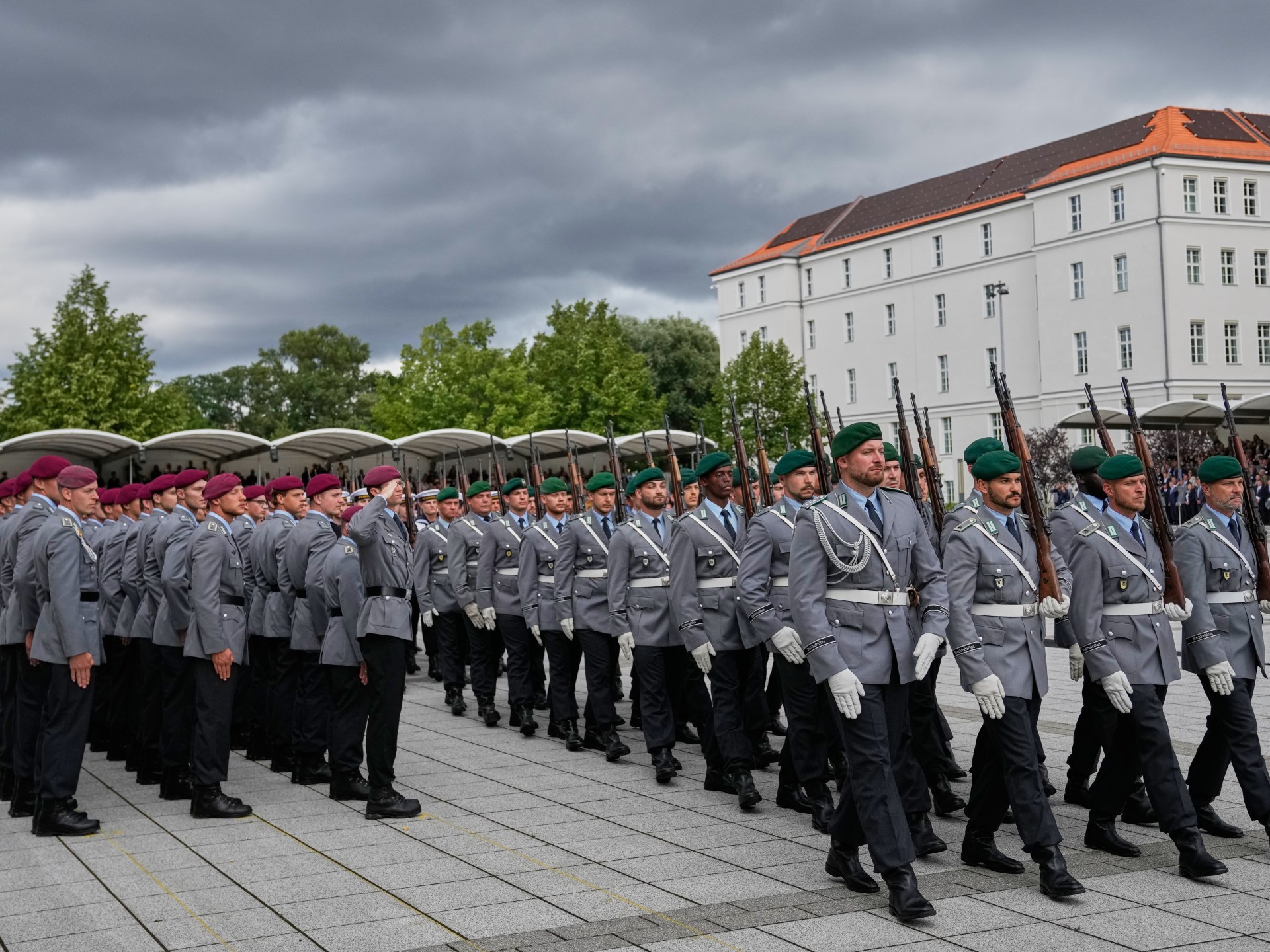
Germany conscription 2027 has moved from a fringe fear to a live policy question as Berlin tries to expand the Bundeswehr and recruit more young people, Al Jazeera reported. The issue matters because Germany is seeking a much larger military after Russia’s full-scale invasion of Ukraine, while many young Germans oppose any return to compulsory service.
Under the Military Service Modernisation Act, which took effect on January 1, Germany has begun contacting 18-year-olds to assess interest in military service, physical fitness and education, according to Al Jazeera. More than 300,000 letters have been sent, with young men legally required to respond while women are not.
The Bundeswehr wants to raise its active-duty force by 80,000 to 260,000 personnel through voluntary recruitment, Al Jazeera reported. It also wants 200,000 people in the reserves.
Will Germany bring back conscription in 2027?
Germany has not reintroduced mandatory military service. Al Jazeera reported that a senior politician said this month that the country would need to decide by next July at the latest whether compulsory service should return if voluntary recruitment falls short.
The Bundeswehr says it remains optimistic about its targets, but only about 500 recruits have enrolled so far this year, according to Al Jazeera. That slow start has sharpened questions about whether voluntary service can deliver the numbers Germany says it needs.
Conscription means the state requires eligible people to serve in the military, usually for a fixed period. Germany introduced it in the mid-1950s and suspended it in 2011, according to Al Jazeera.
Why Germany wants a larger army
Germany’s military expansion began after Russia’s 2022 full-scale invasion of Ukraine, Al Jazeera reported. Chancellor Friedrich Merz pledged last year to build what he called the strongest conventional army in Europe.
Moritz Graefrath, an assistant professor of international security at the University of Oklahoma’s School of International Studies, told Al Jazeera that Germany’s latest military planning also sends a signal to Washington and NATO allies. He said Berlin appears to be showing that it is serious about taking on more responsibility for European defence.
Graefrath said the conscription decision will depend on Germany’s assessment of wider security risks, including how reliable the United States appears and how serious a threat Russia poses.
Who is opposing the plan?
Resistance among young people is growing. Official figures published on July 14 showed 6,000 young men have applied this year to avoid military service on religious or moral grounds, more than in all of last year, Al Jazeera reported.
A provision that would have required men aged 17 to 45 to seek approval before long stays abroad was repealed after criticism from opposition voices and student activists, according to Al Jazeera. The article reported that student groups have held three large demonstrations since December, with a reported 50,000 young people taking part across 90 German cities.
Bela Breitner, a 22-year-old computer science student in Bochum and member of the School Strike Against Conscription campaign, told Al Jazeera that many students see the policy as part of the militarisation of German society. He said young people feel they lost opportunities during the COVID pandemic and now face the prospect of being trained for combat.
Al Jazeera also reported support for voluntary service among some young Germans. Rayhan Butt, an 18-year-old musician from Bielefeld who plans to join the army’s marching band, told the broadcaster he backs voluntary military and civic duty and would serve as a soldier if called on.
This story draws on original reporting from Al Jazeera.