
Gaza miscarriages rise as doctors point to war trauma and hunger
Doctors in Gaza say miscarriages and pregnancy complications have increased as women face displacement, malnutrition and scarce care.
By Lucas Ferreira · Science & Environment Writer
3 min read
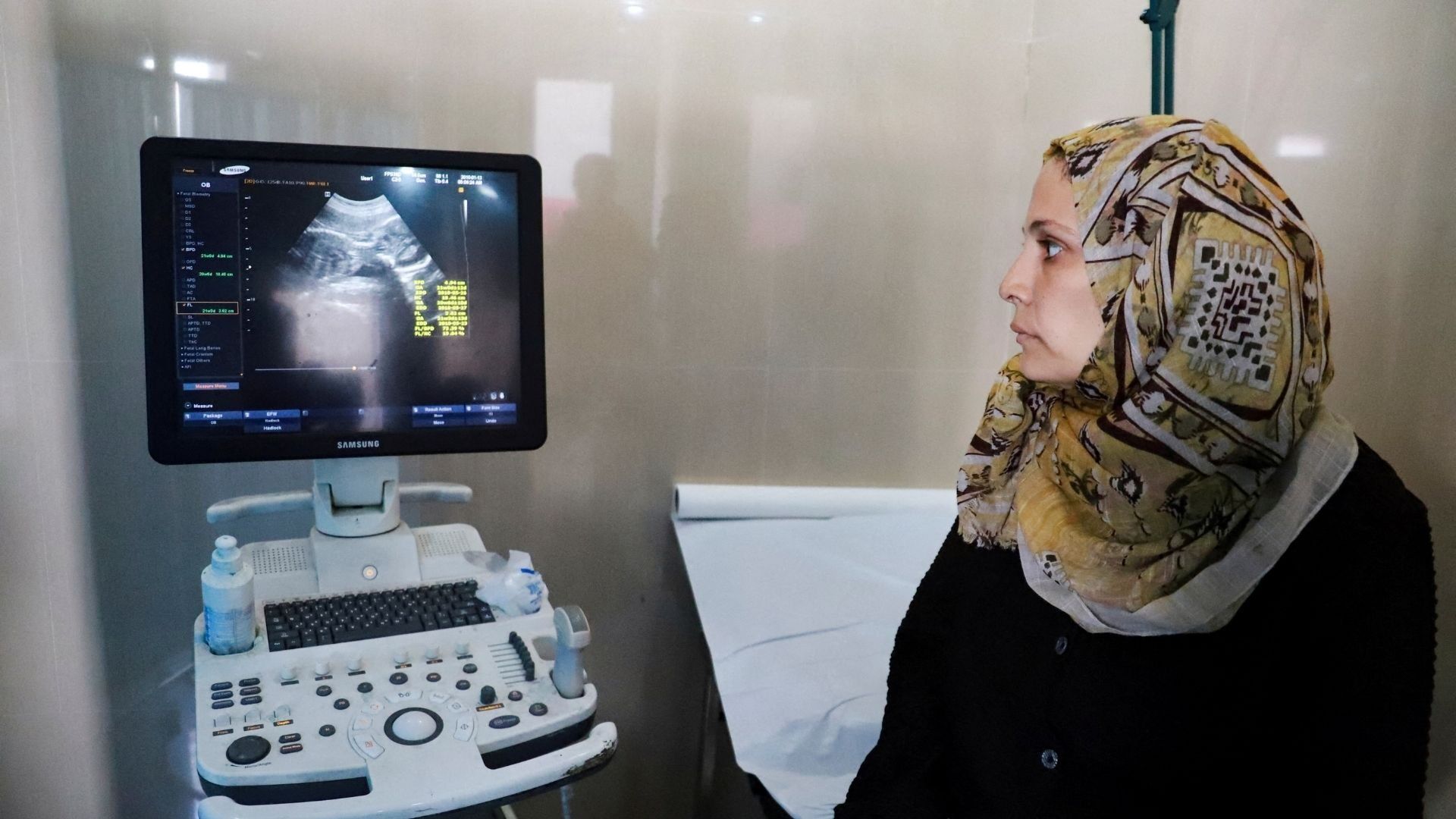
Gaza miscarriages linked to war trauma are rising, according to doctors and women interviewed by Al Jazeera, as pregnant women endure repeated displacement, hunger, bombardment and limited medical care. At al-Awda Hospital in Deir el-Balah, maternity director Dr Yasser Saadeddine estimated that about 70 percent of pregnancy losses his team treats are connected to Israel’s war and blockade.
Al Jazeera reported that women across the Gaza Strip described miscarriages, premature births and newborn deaths during the war that began in October 2023. Doctors cited malnutrition, psychological strain, poor hygiene, environmental contamination, displacement and shortages in the health system as factors behind the increase.
Why are miscarriages rising in Gaza?
Saadeddine told Al Jazeera that al-Awda Hospital has received a marked increase in miscarriage cases during the war. He linked the rise to the effects of war and blockade, including lack of food, unsafe living conditions and repeated forced movement.
Doctors also said pregnancy losses are part of a broader maternal health crisis. According to Al Jazeera, medical staff are seeing more babies dying in the womb, more premature deliveries and more dangerous complications, while hospitals struggle with shortages of medicine, equipment, fuel and staff.
Many pregnant women have also lost access to routine check-ups, medical records and reliable transport to hospitals, Al Jazeera reported. In several cases, women said ambulances could not reach them during fighting or after heavy explosions.
Women describe repeated pregnancy losses
Nuha Abu Lebda told Al Jazeera she lost three pregnancies after being displaced several times within Gaza. She said the losses followed months of air strikes, fear, hunger, lack of clean water and inadequate medical care.
Abu Lebda said she sold gold and other belongings to pay for heparin injections, a treatment prescribed to some pregnant women to reduce blood clotting risk. She told Al Jazeera that she still miscarried despite taking the medication and continues to hope for a child.
Mai Zaqout told Al Jazeera her daughter died in the womb and that she could not deliver for a month because the medical support she needed was unavailable. She said the loss happened soon after her husband was killed.
Sara al-Awad said she was eight months pregnant when powerful explosions in Tal al-Hawa in Gaza City left her terrified and bleeding. She told Al Jazeera that doctors later determined her placenta had separated, and that her brother took her to al-Quds Hospital in a wheelchair after no ambulance reached her.
Al-Awad said doctors performed an emergency C-section and her son, Muhammad, was born weighing 1.1kg, or 2.4 pounds. She told Al Jazeera he stayed in an incubator for 37 days while fighting around the hospital separated him from family members, and that they later reunited after a ceasefire.
Premature births and stillbirths add to the toll
Other women gave Al Jazeera similar accounts. Iman Badah said she gave birth prematurely while being displaced and lost the only son she had waited six years to have.
Nuha Salameh said she was pregnant with twins and lost them after fear and trauma during the war. She told Al Jazeera that doctors said the babies might have survived in normal conditions if incubator care had been available.
Nidaa Seyam said she suffered her second miscarriage during the war and was told by doctors that psychological stress and malnutrition had affected her pregnancy. She also said she had been trapped under air strikes and inhaled toxic fumes.
Al Jazeera reported that, for many women, the effects have continued even after most fighting slowed following an October ceasefire. Doctors and patients described pregnancy loss as one of the lasting consequences of Gaza’s shattered health system and wartime living conditions.
This story draws on original reporting from Al Jazeera.