
Gandhi released after New Delhi detention at exam protests
Rahul Gandhi was freed after police detained opposition leaders during student-led protests over India’s education system and exam leaks.
By Sofia Marchetti · World Affairs Correspondent
3 min read
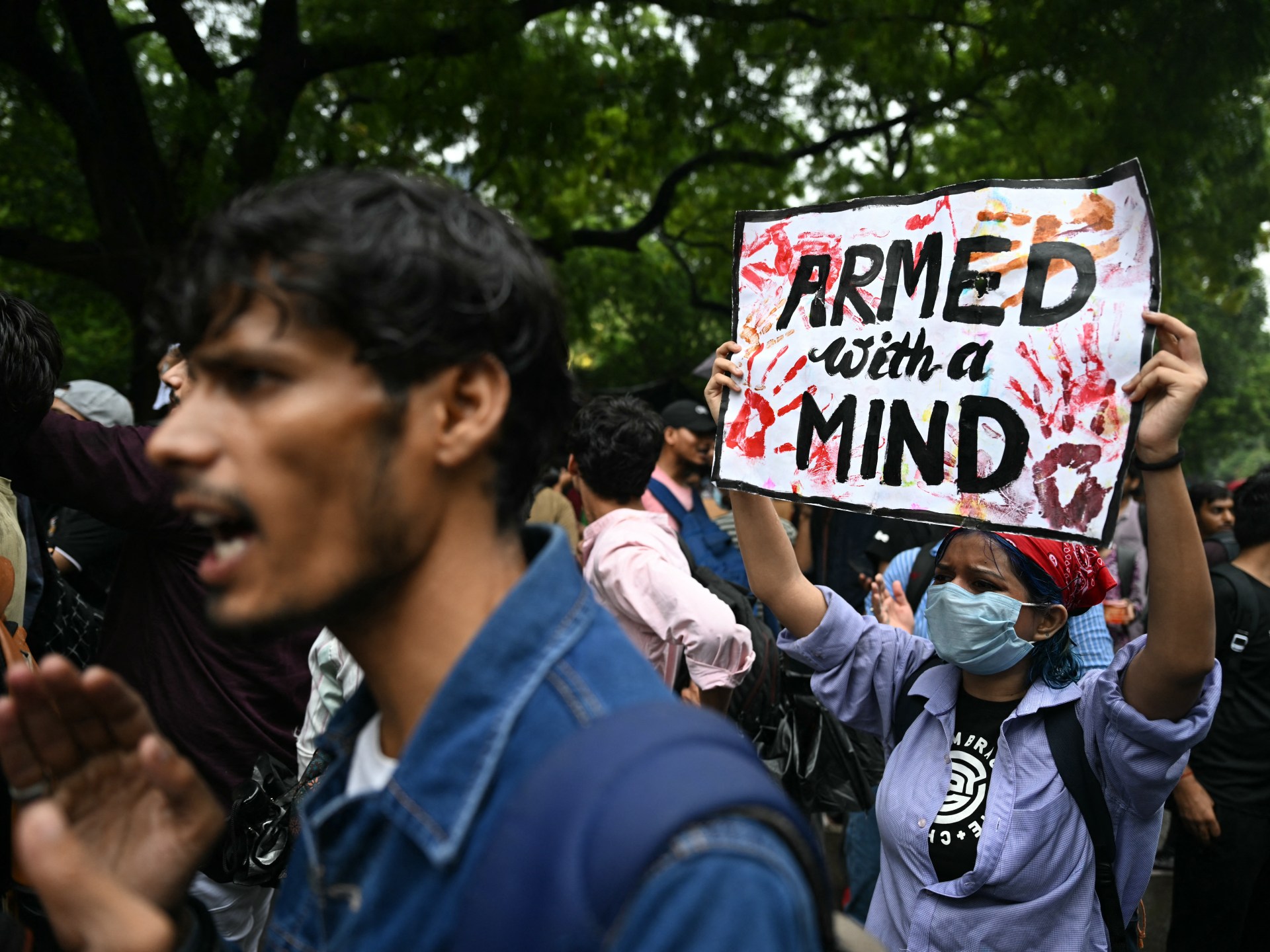
Indian opposition leader Rahul Gandhi was released late Tuesday after police detained him during a protest outside Prime Minister Narendra Modi’s residence in New Delhi, AFP and Reuters reported. The detention came as student-led demonstrations over exam leaks and education reform have grown into a political test for Modi’s government.
AFP and Reuters reported that Gandhi and other opposition figures held a sit-in near Modi’s home, accusing the government of failing to address student demands. The protesters also objected to the official response to youth-led demonstrations calling for changes in the education system and more government accountability.
The protests have been driven largely by students and the Cockroach Janta Party, a social media-based movement known as the CJP, according to AFP and Reuters. The movement has drawn millions of followers since it began two months ago, reflecting anger among young Indians over job shortages and repeated exam leaks, protesters told the news agencies.
Demonstrators have demanded the resignations of Modi and Education Minister Dharmendra Pradhan after a medical school test paper leak forced more than two million students to sit exams again, AFP and Reuters reported. The leak was also linked to at least 12 student suicides, according to the same report.
Minister criticizes opposition role
Pradhan responded Tuesday night in a post on X, accusing Gandhi of using students for political gain. He wrote that Gandhi continued “to shamelessly exploit students as political tools to manufacture disruption.”
In the same post, Pradhan said Indian students deserved “certainty over chaos, solutions over slogans, and responsibility over disruption.” He added that the government owed students “answers, reforms, and accountability” and said it remained committed to providing them.
Pradhan’s comments were his first public remarks after protesters marched toward parliament on Monday, AFP and Reuters reported. Police in New Delhi used tear gas and batons to stop the marchers from advancing, according to the news agencies.
Police said 118 police personnel were injured during the confrontations, AFP and Reuters reported. Authorities also said 60 other people were hurt.
Protests continue beyond Delhi
The demonstrations have not been limited to the capital. AFP and Reuters reported that hundreds of people also joined protests in Mumbai and Bengaluru.
By Wednesday, hundreds of protesters remained at Jantar Mantar, a designated protest site in New Delhi, according to AFP and Reuters. The CJP said it would continue its campaign.
The movement also gained attention through the involvement of activist Sonam Wangchuk, AFP and Reuters reported. Wangchuk began a hunger strike on June 28, and police moved him to a hospital on Saturday.
On Tuesday, Wangchuk was transferred to a private hospital under a court order after his wife filed a petition alleging he had been illegally detained, according to AFP and Reuters.
This story draws on original reporting from Al Jazeera.