
Gambia court ruling puts FGM ban back at center of rights fight
Survivors and campaigners fear a Supreme Court case could weaken The Gambia’s 2015 ban on female genital mutilation.
By James Whitfield · Staff Writer
3 min read
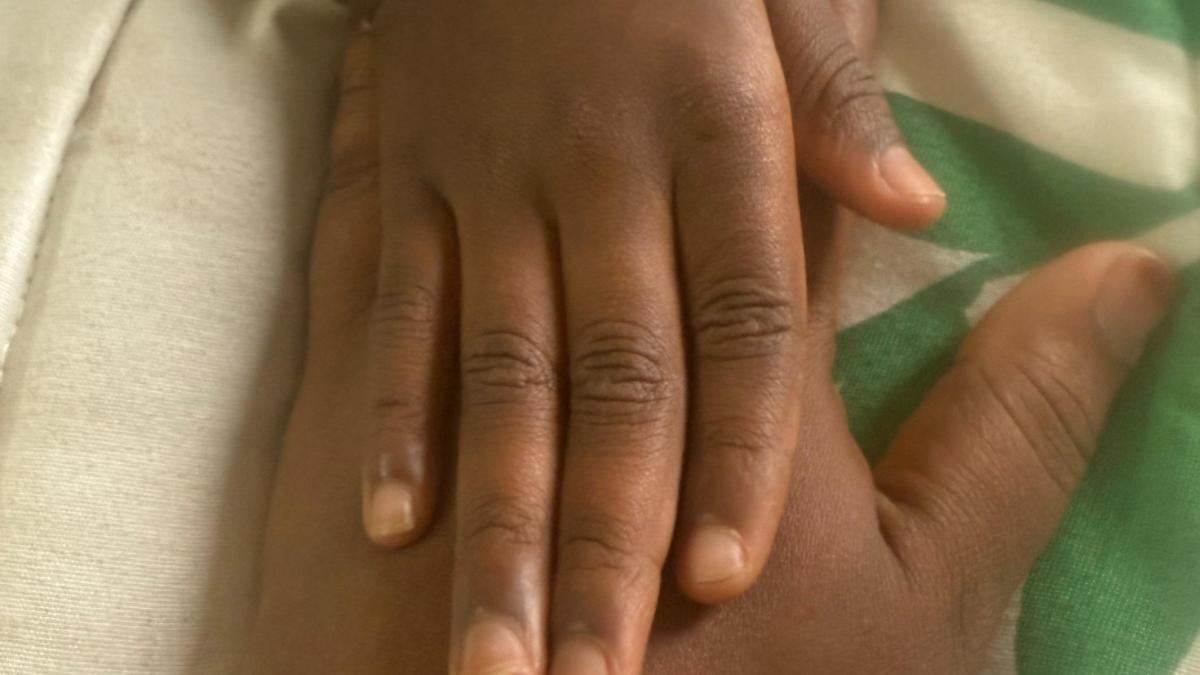
The Gambia’s Supreme Court is expected to rule Wednesday on the country’s ban on female genital mutilation, a decision survivors and rights advocates say could affect legal protections for girls. The case has reopened a national fight over religion, culture, criminal law and the rights of women and children.
Al Jazeera reported from Wellingara, near Banjul, where mothers who survived FGM said they fear their daughters could be cut if the law is weakened. Mariama Jabbie, 28, told Al Jazeera she was taken from her village and cut when she was about the same age as her two daughters, who are now six and nine.
Jabbie said that fear grew after authorities said a three-month-old baby died late last year following a clandestine FGM procedure near her home. “I worry that a relative could take my daughters without my knowledge,” she told Al Jazeera.
A ban with limited enforcement
The Gambia outlawed FGM in 2015. The law allows prison terms of up to three years, and life imprisonment when the procedure causes death, according to Al Jazeera.
Enforcement has been limited. Al Jazeera reported that the first convictions under the law came in 2023, when three women were found guilty of performing FGM on eight girls aged eight to 10 in the Central River Region. By 2024, only two cases had reached prosecution.
In May, the High Court acquitted three women charged in connection with the death of the three-month-old baby after finding that prosecutors had not proved the case, Al Jazeera reported.
Campaigners told Al Jazeera that the ban has reduced the practice but has also pushed some cutting into secrecy. They said some families now cut girls at younger ages to avoid detection.
Mothers describe continuing fear
Binta Jawo, 30, told Al Jazeera she underwent FGM as a child and is trying to protect her seven-year-old daughter. She said the ban has helped, even though it has not ended the practice.
Sarjo Kambi, 37, told Al Jazeera her daughter was cut in 2023 without her consent while she was away on a business trip. She said the child was taken by her paternal grandmother.
Kambi said she reported the incident to police but was told it was a family issue. She told Al Jazeera that if girls are still being cut despite the ban, she fears what could happen if the legal protection is removed.
Parliament rejected repeal bid
The Supreme Court case follows Parliament’s 2024 rejection of a bill that sought to repeal the FGM ban. Women’s rights groups and activists protested the proposal, warning that repeal would reverse years of work against the practice, according to Al Jazeera.
The Gambia’s Supreme Islamic Council supported repeal, describing female genital cutting as “one of the virtues of Islam,” Al Jazeera reported. Supporters of the court challenge say the case concerns religious freedom and cultural rights.
Human rights groups and medical organisations reject that view, saying non-medical cutting violates girls’ bodily autonomy and basic rights. UNICEF estimates that about three in four Gambian women have undergone FGM. The 2019-2020 Demographic and Health Survey found that 65 percent of girls who undergo FGM are cut before age five, with another 18 percent cut between ages five and nine.
Fatou Baldeh, an anti-FGM campaigner and survivor, told Al Jazeera that the public debate has spread fear and misinformation and made it harder for women to speak openly. Abdoulie Ceesay, a member of parliament whose constituency was affected by the baby’s death, called FGM a human rights violation and said the ban should stay in place.
Nafisa Binte Shafique, UNICEF’s representative in The Gambia, told Al Jazeera that FGM causes immediate and lifelong harm and that no tradition or belief justifies practices that hurt children. Al Jazeera said The Gambia’s Ministry of Justice did not respond to a request for comment before the ruling.
This story draws on original reporting from Al Jazeera.