
European North Africa policy shifts around Morocco-Algeria rivalry
Recent visits by French, Spanish and Algerian leaders show how Western Sahara is shaping European ties across the Maghreb.
By Lucas Ferreira · Science & Environment Writer
4 min read
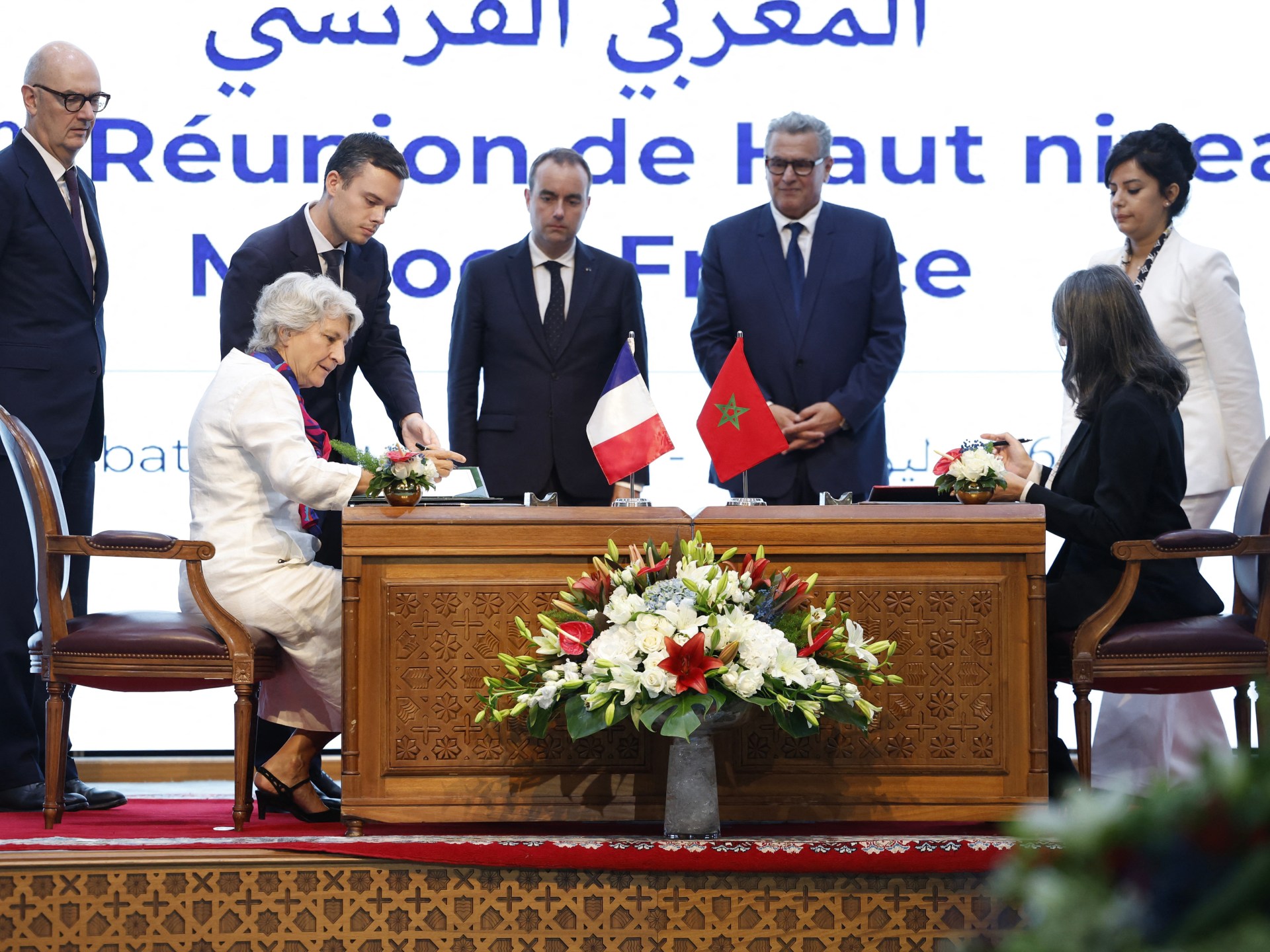
A burst of high-level diplomacy in mid-July underscored how the contest between Morocco and Algeria is influencing European policy in North Africa. Abd-el-Kader Cheref, an assistant professor at Southern Illinois University, wrote for Al Jazeera that governments in Paris, Madrid and Berlin are increasingly having to weigh ties with one Maghreb power against the reaction of the other.
French Prime Minister Sebastien Lecornu led a ministerial delegation to Morocco on July 15 and 16, while Algerian President Abdelmadjid Tebboune visited Berlin at about the same time. Spanish Prime Minister Pedro Sanchez went to Algiers four days later as Madrid continued efforts to repair a relationship damaged by its closer alignment with Rabat, according to Cheref.
Western Sahara remains the central dispute
Cheref identified Western Sahara as the main point of friction. Morocco controls most of the territory and treats support for its sovereignty claim, or for its autonomy plan, as a test of foreign partnerships. Algeria supports the Polisario Front’s push for independence and has reacted forcefully when European states move toward Rabat’s position, he wrote.
Both countries have tools that matter to Europe, according to Cheref. Morocco offers cooperation on intelligence, counterterrorism and migration, as well as investment links and access to African business networks. Algeria has large gas reserves, an important domestic market and influence in Maghreb and Sahel security and diplomacy.
That means European decisions toward one capital can affect economic, security and diplomatic relations with the other, Cheref argued.
France moves closer to Rabat
France has become the clearest case, according to Cheref. In 2024, President Emmanuel Macron endorsed Moroccan sovereignty over Western Sahara and said Morocco’s autonomy proposal should serve as the basis for a settlement. The move eased a long dispute with Rabat but prompted Algeria to recall its ambassador, he wrote.
Lecornu’s July visit signaled that Paris is building more than a narrow diplomatic reset with Morocco, according to Cheref. The two sides advanced work on energy, investment, security, migration, education and infrastructure, and discussed a direct electricity link that could carry Moroccan renewable power to France.
Cheref wrote that Morocco gives France a steadier partner as French influence has fallen in parts of the Sahel, where several governments have expelled French troops, reduced ties with Paris or sought other security partners. Morocco, meanwhile, has expanded its presence in West Africa through sectors including banking, telecommunications and construction, as well as religious and security cooperation, he said.
The relationship has costs for Paris. Cheref noted that new reporting during Lecornu’s visit renewed allegations that Moroccan intelligence had used Israeli-made Pegasus spyware against senior French officials, including Lecornu when he held another government post. Morocco has denied acquiring or using Pegasus, and the allegations did not derail the visit, according to Cheref.
France’s shift on Western Sahara also worsened already strained ties with Algeria, Cheref wrote. Security cooperation slowed, French firms faced obstacles and French wheat was largely kept out of Algerian import tenders, though the two governments have cautiously reopened dialogue.
Spain and Germany face the same pressures
Spain faced similar consequences after Sanchez’s government in 2022 described Morocco’s autonomy plan as the most serious, realistic and credible basis for resolving the Western Sahara conflict, according to Cheref. Algeria recalled its ambassador, suspended a two-decade friendship treaty and stopped most non-gas trade, while continuing to honor gas contracts.
Sanchez’s July 20 visit to Algiers was a sign of Spain’s attempt to restore ties with Algeria while keeping its improved relationship with Morocco, Cheref wrote. The two governments agreed to revive senior-level bilateral mechanisms and expand cooperation on energy, investment, migration and security.
Germany’s talks with Algeria showed another part of the shift, according to Cheref. Tebboune’s Berlin visit covered energy, investment, industry, migration and security, including possible exports of Maghrebi hydrogen to Europe. Cheref wrote that the German-Algerian relationship has its own basis, but also gives Algiers more European options as France draws closer to Morocco.
This story draws on original reporting from Al Jazeera.