
EU plans Brussels migration talks with Taliban delegation
Belgium granted one-day visas for Taliban officials to discuss returns of Afghan asylum seekers whose EU claims were rejected.
By Lucas Ferreira · Science & Environment Writer
3 min read
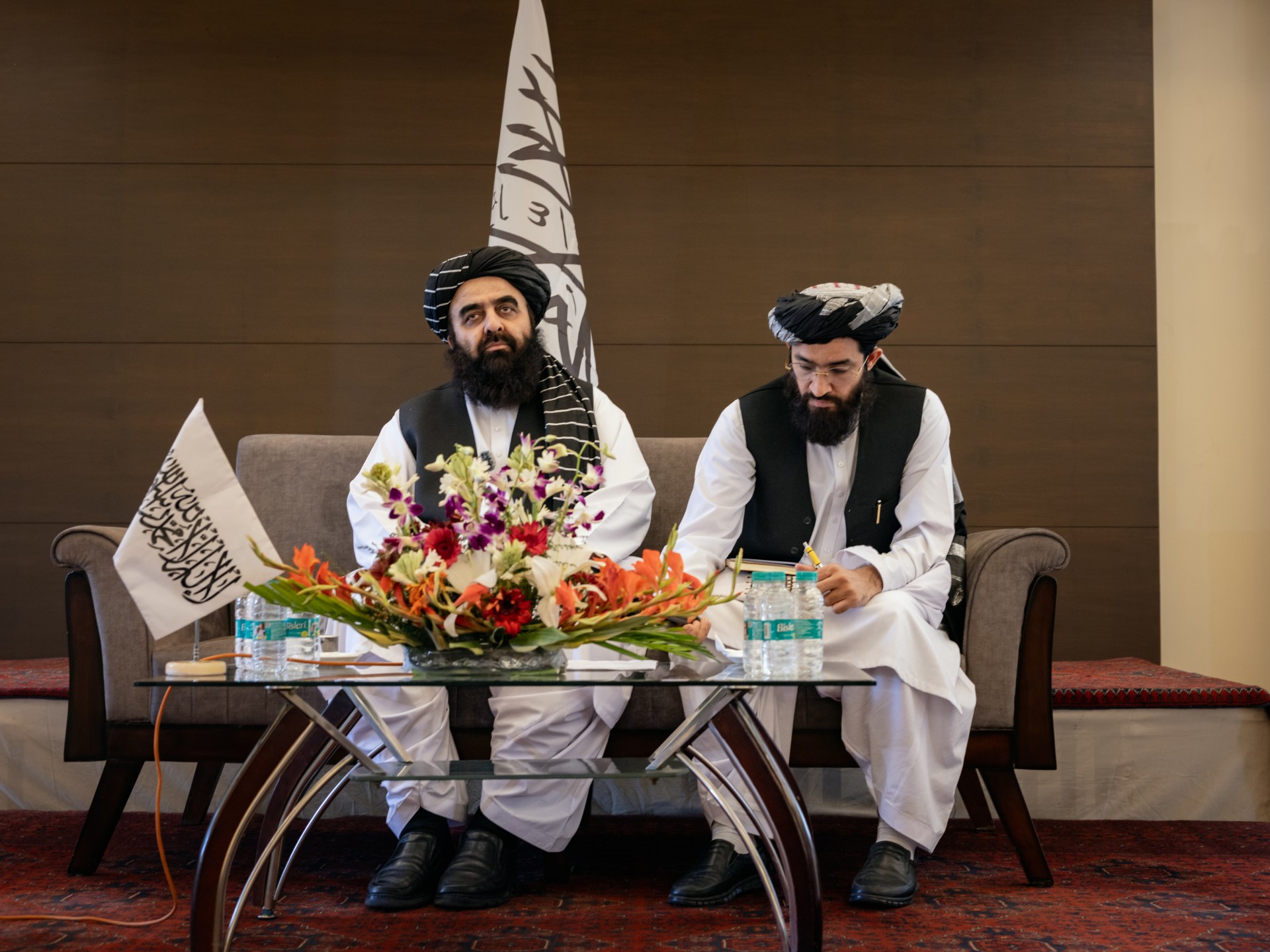
Belgium has granted visas to five Taliban officials for European Union talks in Brussels on migration and the possible deportation of Afghan asylum seekers whose claims have been rejected. The meeting would mark the first time the EU has hosted Taliban representatives since the group returned to power in Afghanistan in 2021.
A Belgian Foreign Ministry spokesperson said the visas were issued Monday after a security review and are valid in Belgium for one day only. The talks are expected to take place Tuesday, according to officials cited by Al Jazeera, AFP and Reuters.
The European Commission said it invited Taliban officials to discuss irregular migration from Afghanistan to the 27-country bloc, as well as returns of Afghans in the EU who no longer have legal grounds to stay. The EU has not publicly named the Taliban representatives invited to Brussels.
Commission spokesman Markus Lammert told the EU’s daily briefing Monday that member states are examining how to return people who have committed serious crimes or may pose security threats. He said the Commission is following up on that effort.
Reuters reported that a letter it saw, addressed to Taliban Foreign Ministry spokesman Abdul Qahar Balkhi, said the meeting would focus on the “return and readmission of Afghan nationals without a right to stay in the European Union.” The Commission said the talks do not amount to formal EU recognition of the Taliban.
Several senior Taliban figures are under EU sanctions. European governments closed their embassies in Kabul after the Taliban took control of Afghanistan in August 2021.
Rights groups have urged the Commission to drop the plan. Human Rights Watch Afghanistan researcher Fereshta Abbasi said engagement with the Taliban should put human rights protection and accountability first, rather than deportations to a dangerous country.
The Taliban have sharply restricted rights since returning to power, according to Al Jazeera, AFP and Reuters. The measures include curbs on women’s freedom of movement, a ban on girls’ education beyond primary school, and morality laws affecting free expression and employment access.
Earlier in June, EU migration chief Magnus Brunner defended the outreach, saying Brussels had no alternative but to speak with Taliban authorities about returning Afghan asylum seekers who had entered the bloc irregularly. European governments have pushed for stricter migration policies as public attitudes have hardened and far-right parties have gained ground across the continent.
Afghans filed about one million asylum applications in EU countries between 2013 and 2024, according to the bloc’s migration agency. Afghans remain among the nationalities with the highest recognition rates in the EU, though overall acceptance has narrowed as migration rules have grown more restrictive.
About 20 of the EU’s 27 member states said in a letter last year that they were interested in returning some migrants without permission to stay, especially people with criminal convictions, to Afghanistan. EU law permits deportations of people convicted of serious crimes or assessed as security threats in certain cases, but returns to Afghanistan have been limited because of the lack of diplomatic relations.
Afghanistan is also facing a severe humanitarian crisis. The United Nations World Food Programme says more than 17 million Afghans, about one-third of the population, are food insecure, while the country is taking in tens of thousands of returnees from Iran and Pakistan.
Amnesty International’s European Institutions Office director Eve Geddie said scenes of people fleeing Afghanistan, including EU staff, remain recent history. She called it unconscionable for the EU to seek deportations to a country she said has become more dangerous.
This story draws on original reporting from Al Jazeera.