
Ebola cases pass 2,000 in Congo as Ituri health workers strike
Reuters reported 2,011 confirmed Ebola cases and 754 deaths as staff in the outbreak’s centre protested unpaid wages and conditions.
By Sofia Marchetti · World Affairs Correspondent
2 min read
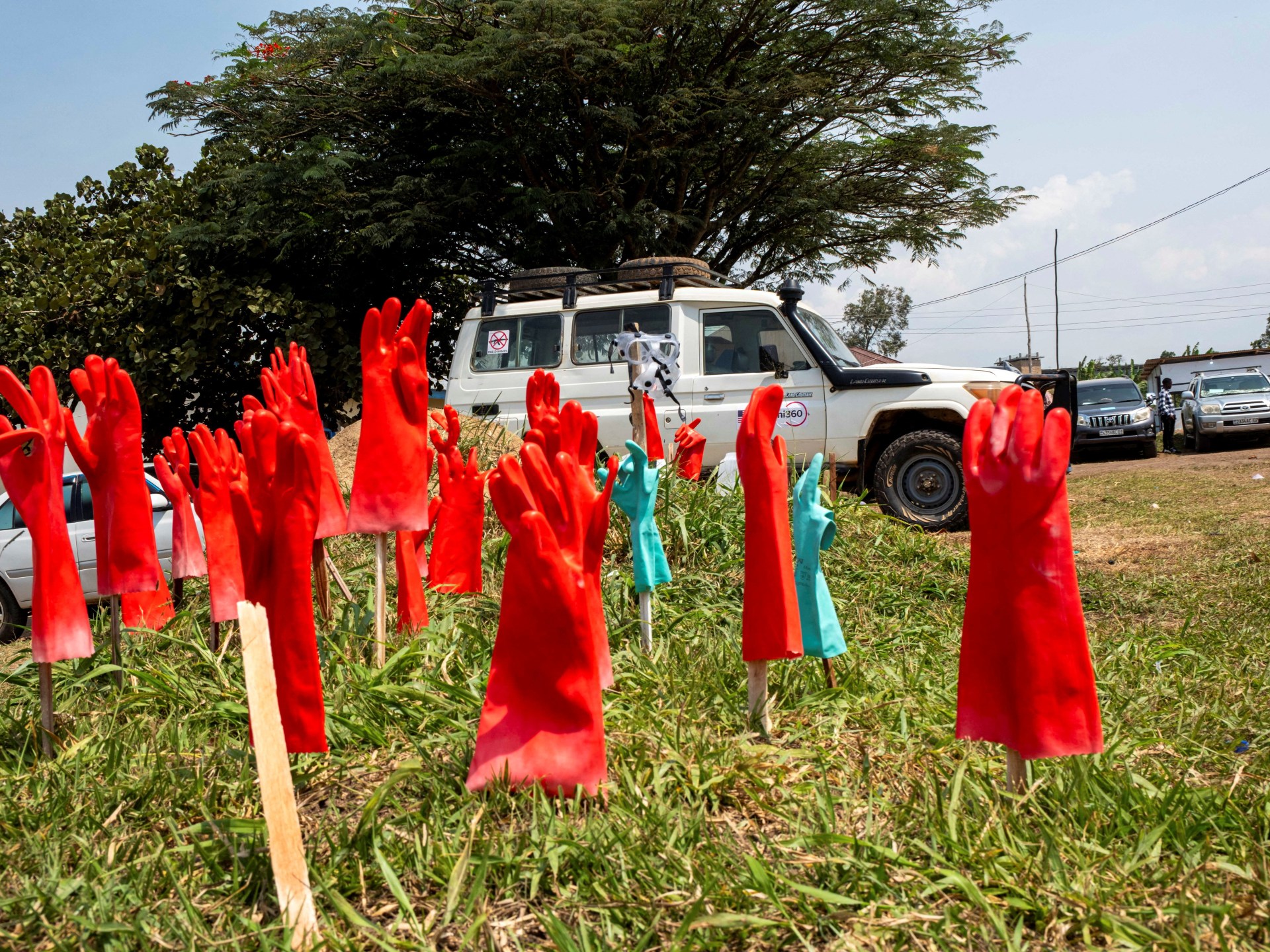
The Democratic Republic of the Congo’s Ebola outbreak has passed 2,000 confirmed infections as health workers in Ituri province widened strike action over unpaid wages and poor conditions, Reuters reported. The work stoppages are hitting the area identified by Reuters as the centre of the outbreak, adding pressure to an already strained response.
Reuters reported that confirmed cases have reached 2,011, with 754 recorded deaths. The figures came as staff at Bunia General Hospital in northeastern Ituri province began a strike on Wednesday and blocked the hospital entrance, according to Reuters.
The Bunia workers said they had not been paid for their Ebola response work since the outbreak began, Reuters reported. They also cited harsh working conditions while responding to the virus.
The protest followed other walkouts in the region. Reuters reported that dozens of workers at Rwampara General Hospital, including epidemiologists and grave diggers, left their posts on Monday and said they had gone months without pay.
Doctors Without Borders, also known by its French initials MSF, has described the current episode as the third-largest Ebola outbreak ever recorded and the fastest-growing. The medical charity’s assessment underscores the scale of the health emergency in eastern Congo.
The World Health Organization warned on Tuesday that the real death toll could be two to four times higher than the official count, according to Reuters. The agency’s warning points to the possibility that recorded numbers are missing many deaths linked to the outbreak.
Reuters reported that the outbreak began on May 15 and is caused by the Bundibugyo strain of Ebola. There is no vaccine or treatment for that strain, according to the report.
WHO Director-General Tedros Adhanom Ghebreyesus said a first clinical trial began on Tuesday to test whether an antiviral medicine can prevent infection among people exposed to the Bundibugyo virus. Tedros said on social media that, if the drug works for high-risk contacts after exposure, it could represent a major advance in preventing Ebola virus disease caused by the Bundibugyo strain.
The strikes place pay and safety complaints at the centre of the response as case numbers keep rising. Reuters reported that the workers involved in the protests are among those carrying out key Ebola duties in the affected area, including disease tracking and burials.
This story draws on original reporting from Al Jazeera.