
Analyst says Graham’s death may strain Israel’s Trump channel
Ori Goldberg argues Lindsey Graham’s death removes a key intermediary for Israel, but deeper political problems matter more.
By Sofia Marchetti · World Affairs Correspondent
3 min read
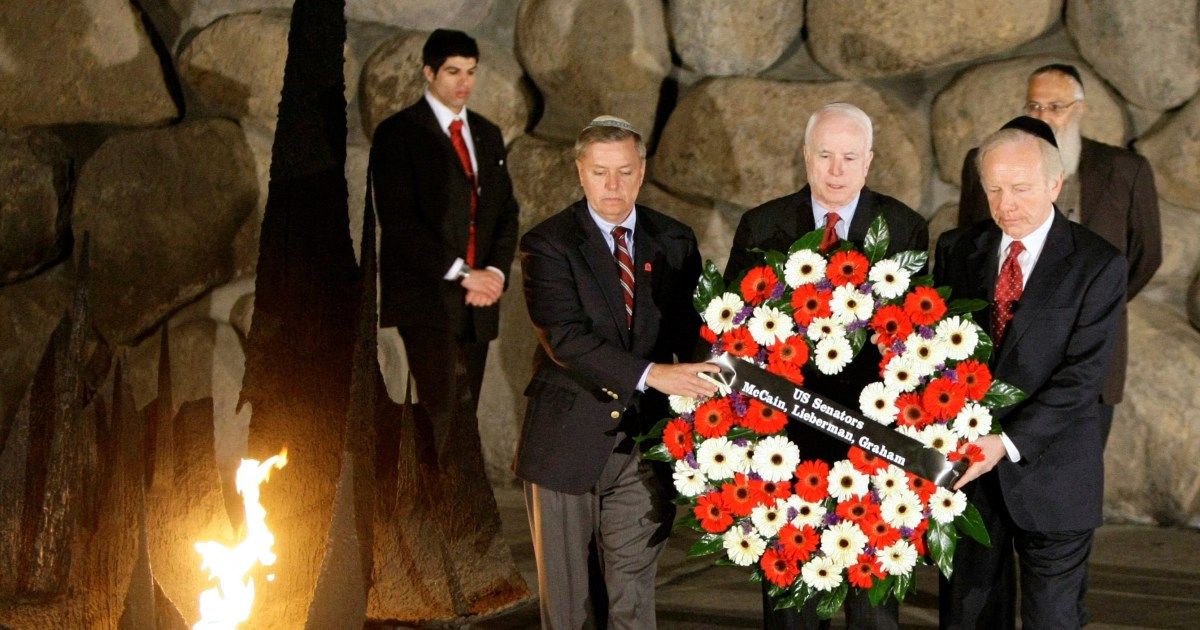
The death of former US Senator Lindsey Graham has removed one of Israel’s most active Republican advocates in Washington, according to independent analyst Ori Goldberg. Goldberg wrote for Al Jazeera that the immediate effect may be felt in Israel’s access to President Donald Trump, while the longer-term problem is Israel’s weakening political position.
Goldberg described Graham as the last member of a Senate trio known as the “Three Amigos,” alongside John McCain and Joseph Lieberman. He said the three senators were linked by personal friendship and by strong support for Zionism and Israel’s security.
According to Goldberg, many supporters of Israel remain in Congress, but few matched the level of effort Graham, McCain and Lieberman put into advancing Israeli interests on Capitol Hill. Graham’s death, he argued, closes a chapter in which a small group of senior lawmakers acted as unusually energetic champions for Israel.
Trump changed the terms of influence
Goldberg argued that Israel’s position in Washington has been reshaped by Trump’s approach to power. During Trump’s first term, Goldberg said, the president drew on competing factions, including figures associated with right-wing nationalism and hawkish foreign policy.
After losing the 2020 election, Goldberg wrote, Trump’s view of foreign relationships shifted toward what leaders or countries could offer him in particular political deals. In Goldberg’s analysis, Israel remained partly insulated from that shift because of entrenched support in Washington.
Goldberg pointed to two factors behind that resilience: the belief among US officials that Israel contributes intelligence and operational cooperation, and the influence of the American Israel Public Affairs Committee. He said AIPAC endorsements have often brought candidates substantial campaign resources and an early advantage over rivals.
That structure, Goldberg argued, helped make support for Israel one of the steadier positions in both Trump’s politics and Graham’s career. He said Graham used that position to gain influence with Trump during the president’s second term, offering foreign policy experience and ideological commitment.
Netanyahu faces a weaker position
Goldberg wrote that Graham’s death is likely to affect Israeli policy access in the short term because Graham served as a trusted channel between Trump and Israeli Prime Minister Benjamin Netanyahu. Without him, Goldberg said, that relationship becomes more dependent on other power brokers.
Over a longer period, Goldberg argued, Graham’s absence may matter less than Israel’s broader decline as a strategic asset in US politics. He blamed Netanyahu for turning Israel into more of a burden for Washington, citing Trump’s war with Iran, continuing wars in Lebanon and Gaza, and the de facto annexation of the West Bank.
Goldberg said Netanyahu’s assurances of a swift and decisive Iran conflict had failed, leaving Trump looking for a way out. He also argued that Israel’s military posture is damaging its international position and, more consequentially, its support in the United States.
Goldberg concluded that old arguments about the US-Israel alliance and AIPAC’s strength may no longer be enough to preserve Israel’s exceptional status in Washington. In his view, if institutional pressure on Trump weakens, Netanyahu may have little left to offer that would keep the president firmly aligned with Israel.
This story draws on original reporting from Al Jazeera.