
DRC Ebola health workers face unpaid wages as outbreak spreads
Frontline staff in eastern Congo told Al Jazeera they face infection, attacks and unpaid wages as Ebola cases pass 2,500.
By Sofia Marchetti · World Affairs Correspondent
3 min read
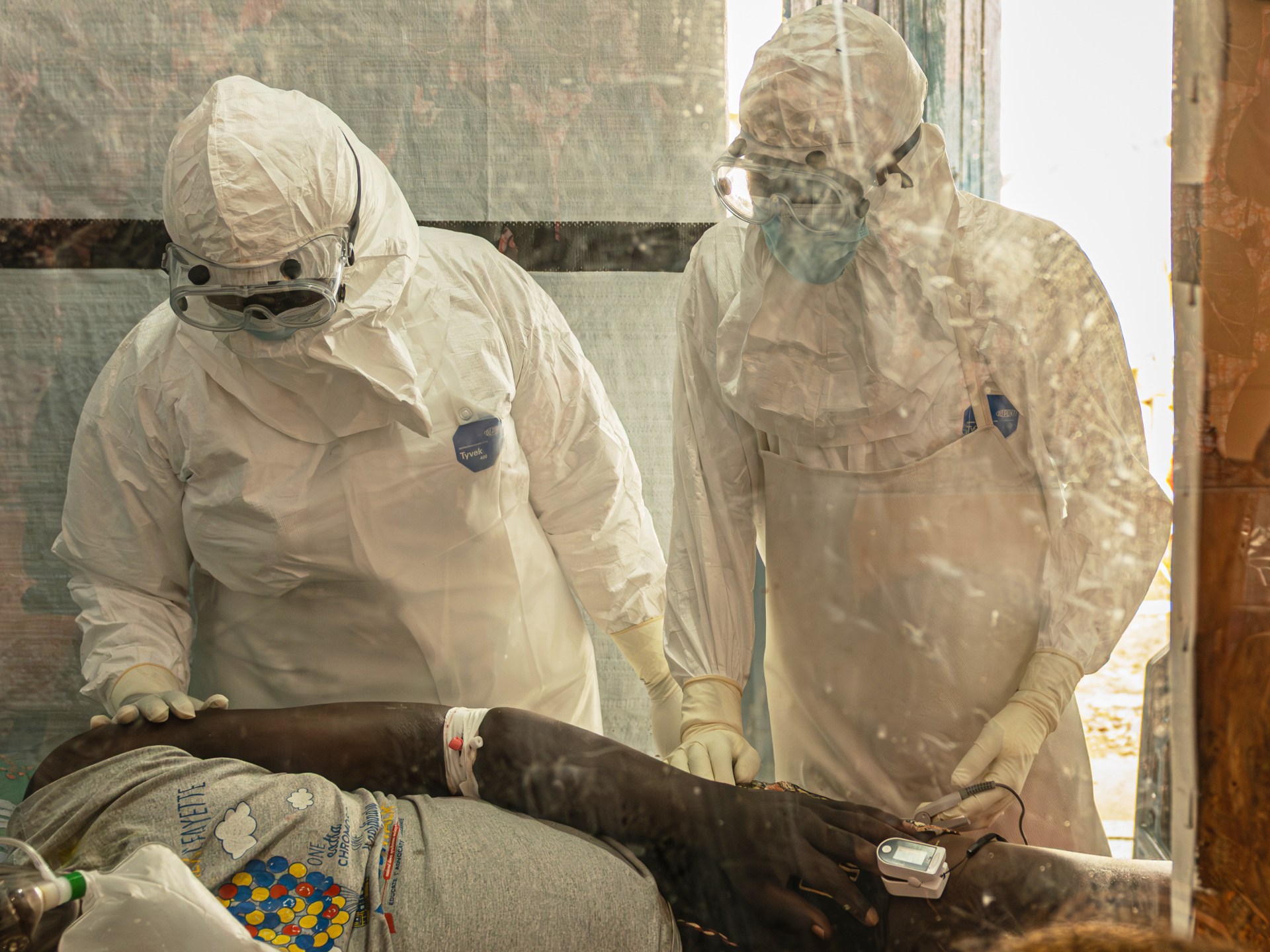
DRC Ebola health workers are fighting a fast-growing outbreak while reporting unpaid wages, scarce protective gear and threats from residents who distrust the response, according to Al Jazeera. The pressure on frontline staff matters because the World Health Organization says the outbreak in eastern Democratic Republic of the Congo could become one of the world’s most severe.
WHO recorded more than 2,500 cases and 1,000 deaths by July 21, Al Jazeera reported. Uganda had reported 20 cases and two deaths, while authorities said by July 16 that the last confirmed patient there had recovered.
The current outbreak is centred in Ituri province, near the Ugandan border, according to Al Jazeera. Health officials cited by the outlet said the rare Bundibugyo strain is involved, and that no approved treatment or vaccine exists for it.
What is happening in the DRC Ebola outbreak?
Ebola is a haemorrhagic viral disease that can cause severe illness and death. Al Jazeera reported that the current outbreak was officially declared on May 15 after weeks of undetected transmission, a delay analysts linked to weakened disease surveillance after global health aid cuts.
WHO has repeatedly warned about the scale of the outbreak, according to Al Jazeera. For comparison, the 2018-2020 Ebola outbreak in eastern DRC killed 2,287 people, while the 2014-2016 West Africa outbreak killed more than 11,000 people.
The eastern DRC response is also taking place in an area affected by long-running conflict and low trust in state authorities, Al Jazeera reported. That distrust has made it harder for teams to trace suspected and confirmed cases.
Why are DRC Ebola health workers striking?
Dozens of staff at Rwampara General Hospital stopped work last week over pay, Al Jazeera reported. The hospital, near Bunia in Ituri, runs a major Ebola treatment centre.
Al Jazeera said more than 100 health workers have been infected in the outbreak and about 35 have died. In May, residents burned parts of the Rwampara centre and chased health workers who were trying to leave in trucks, the outlet reported.
Paluku Audrey, a 29-year-old community engagement worker at Rwampara, told Al Jazeera she has worked since the outbreak was declared in May and has not been paid. She said she sometimes walks more than 10km from Bunia to work because she lacks money for transport.
Audrey’s job is to explain Ebola risks, hygiene measures and the need for medical care to residents in surrounding communities, according to Al Jazeera. She told the outlet that some people reject the disease as false or explain it through conspiracy theories, and that some have thrown stones at response teams.
Ghislain Maneba, a 35-year-old epidemiologist at the Rwampara treatment centre, told Al Jazeera that his team helps move suspected Ebola patients from homes to the centre for testing and care. He said workers have received some protective items, including boots and gloves, but not enough for the job.
Maneba also told Al Jazeera that unpaid wages and bonuses have made daily work harder, including transport to the centre. He said the funeral of a doctor who died of Ebola had become his worst memory of the outbreak and had pushed him to keep working.
Both workers told Al Jazeera they remain committed to the response despite fear of infection and attacks. They also said stronger support, including pay, transport, food and equipment, would help them continue their work.
This story draws on original reporting from Al Jazeera.