
DRC Ebola death toll passes 1,300 as cases accelerate
Government figures show more than 1,309 Ebola deaths in DRC, where conflict, strikes and no approved vaccine are slowing response efforts.
By Lucas Ferreira · Science & Environment Writer
4 min read
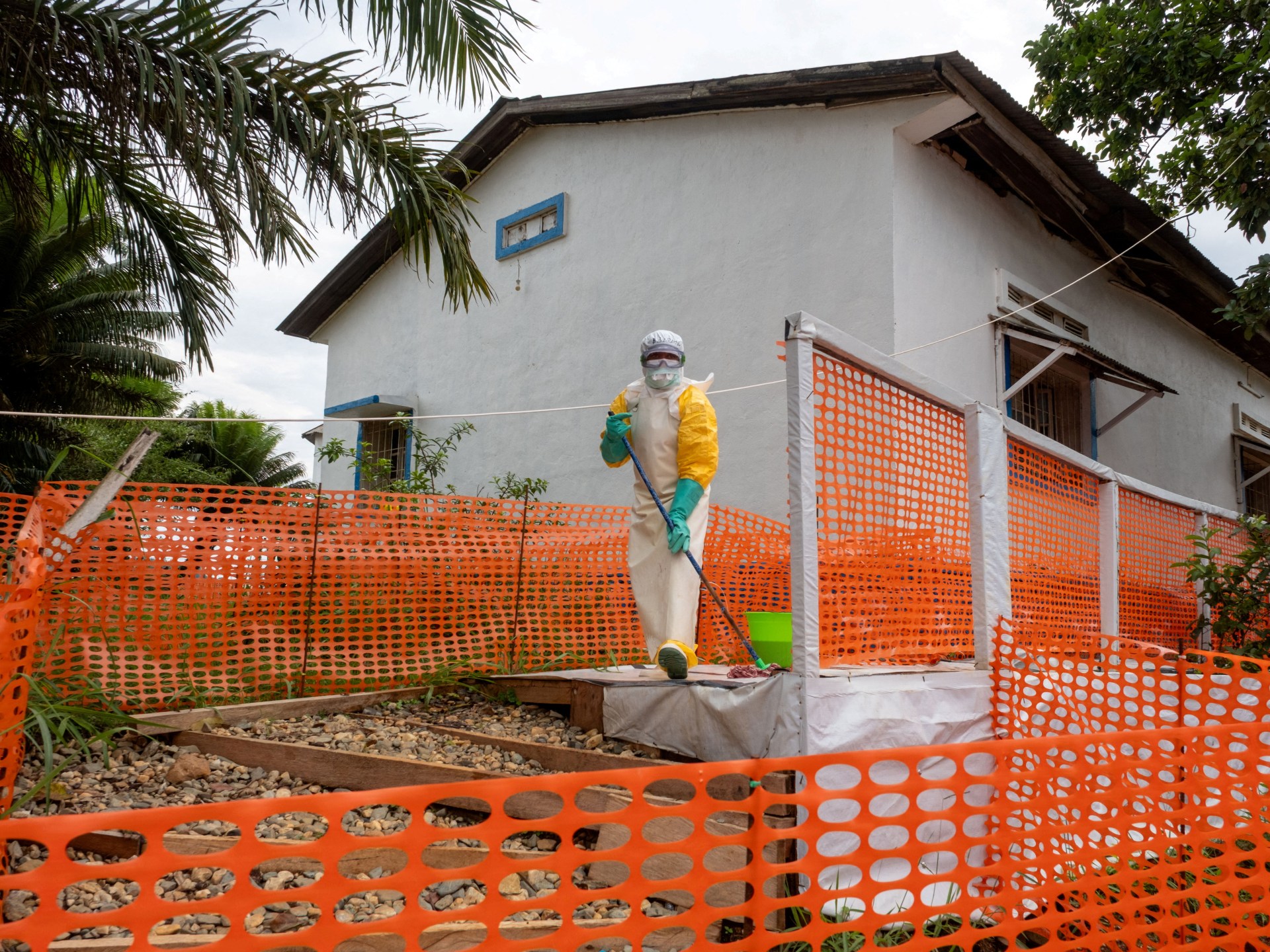
The DRC Ebola death toll has climbed above 1,309, government figures reported by Al Jazeera and The Associated Press show, marking a sharp escalation in the country’s latest outbreak. The rise matters because responders are confronting a fast-moving Bundibugyo Ebola outbreak in an area affected by conflict, strained hospitals and gaps in vaccine protection.
Updated government data released Saturday showed 2,973 confirmed cases, including deaths, as of Thursday, according to Al Jazeera and AP. The death count rose by more than 40 percent in five days, while confirmed cases increased 27 percent from the previous Saturday, the reports said.
Al Jazeera reported that the pace of the epidemic makes it the fastest-spreading Ebola outbreak documented. Abdulsalami Nasidi, a public health consultant who helped establish the Africa Centres for Disease Control and Prevention, told Al Jazeera the virus was “spreading like a wildfire” because no proven vaccine is available for the strain involved.
How bad is the DRC Ebola outbreak?
The outbreak has killed more than 1,300 people in less than 10 weeks, according to government figures reported by Al Jazeera and AP. By comparison, the 2013-2016 Ebola epidemic in West Africa took about eight months to reach its first 1,000 deaths, and eventually killed more than 11,000 people out of at least 28,000 cases, primarily in Guinea, Liberia and Sierra Leone, Al Jazeera reported.
The DRC outbreak involves Bundibugyo ebolavirus, which Al Jazeera described as the rarest of the four Ebola variants known to infect humans. The report said there are currently no approved vaccines or treatments for that variant.
Researchers are trying to change that. The University of Oxford’s Oxford Vaccine Group said Friday that the first volunteer had received a dose in what it called the world’s first Bundibugyo ebolavirus vaccine trial. “This is an important milestone for the trial, and marks the next phase in our multinational collaborative journey to develop a Bundibugyo ebolavirus vaccine,” Katrina Pollock, the trial’s chief investigator, said in Oxford’s announcement.
Why is the response under strain?
Nasidi told Al Jazeera the epidemic is unfolding in an area of active hostilities, adding to the resource shortages that can hamper outbreak control. Al Jazeera’s Alain Uaykani, reporting from Goma, said the government response had lacked coordination and urgency, leaving health workers overstretched and working in difficult conditions.
Health workers have also been infected in large numbers. More than 100 have contracted Ebola since the outbreak was declared in May, and about 35 have died, according to Al Jazeera and AP. The reports cited shortages of protective equipment and hostility in some communities where residents question whether Ebola is real.
Strikes are further disrupting care in Ituri province, described by Al Jazeera as the outbreak’s epicentre. Workers at several facilities have protested unpaid wages and unsafe conditions, including at Rwampara General Hospital near Bunia, where an Ebola treatment centre was partly set on fire in May by angry residents, according to the reports.
A strike began Saturday at the Elikya Ebola Treatment Centre in Bunia, largely paralysing work as doctors, nurses and security staff stopped working, AP reported. Martin Bolombi, one of the striking workers, told AP that unpaid bonuses were hurting morale and patient care, saying people had died inside the centre while the disease continued to spread.
World Health Organization Director-General Tedros Adhanom Ghebreyesus has warned that the true case count could be more than double the official number because insecurity limits access to affected communities, according to Al Jazeera. He said contact tracing reaches roughly 80 percent of known contacts, but response teams still cannot reach every village or deploy where needed most.
The United States and Canada have restricted entry for travellers who were recently in the DRC, Al Jazeera reported, despite WHO guidance issued in May when the agency declared the outbreak a global health emergency. Tedros has called for a ceasefire in eastern DRC, saying medical action alone will not be enough without access for responders.
This story draws on original reporting from Al Jazeera.