
Darfur: Weaponising Identity examines roots of alleged genocide
Al Jazeera’s 25-minute film traces how land conflict, state neglect and racist ideology fed mass violence in Darfur.
By Sofia Marchetti · World Affairs Correspondent
2 min read
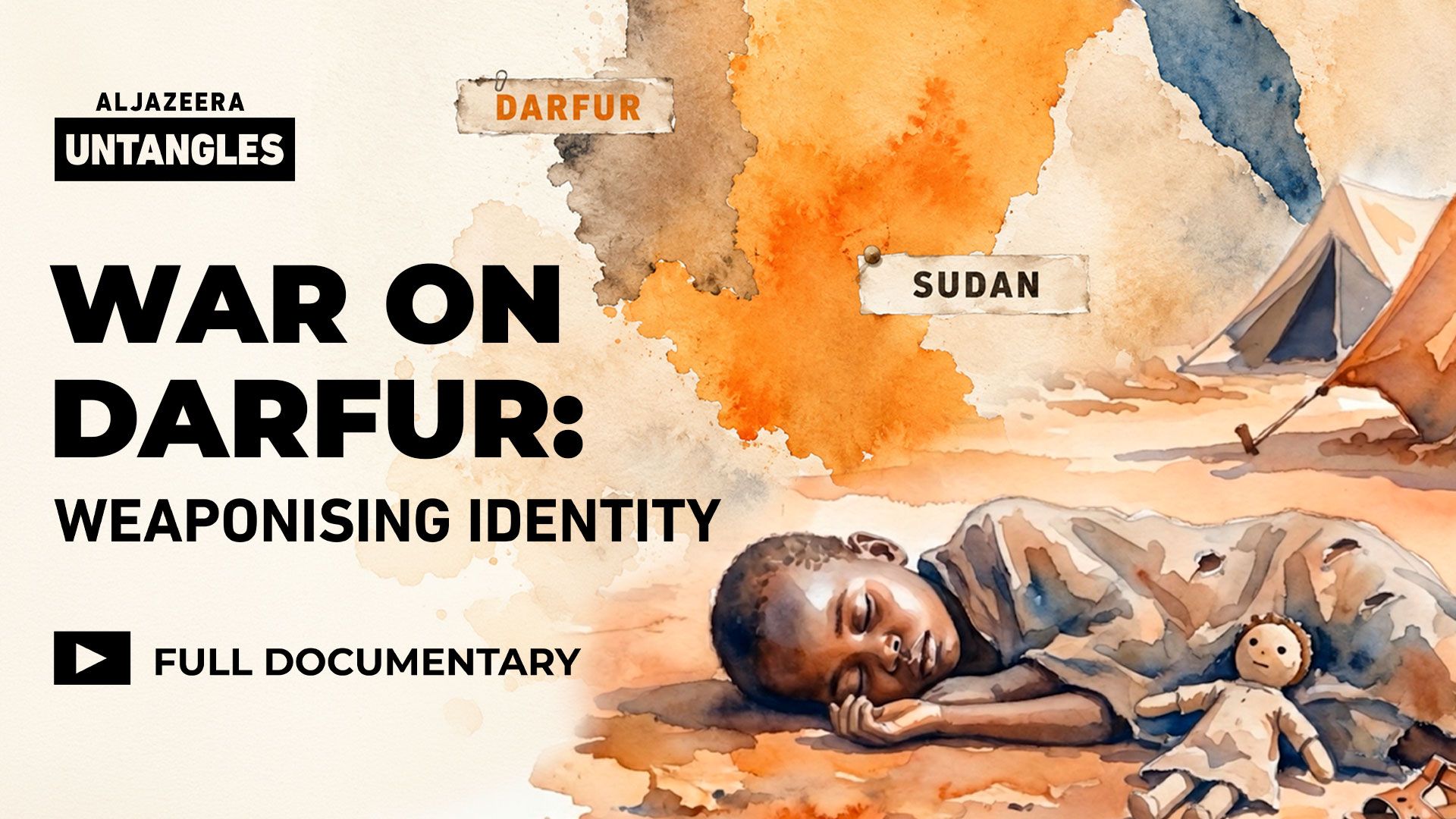
Al Jazeera has released Darfur: Weaponising Identity, a 25-minute film on how Darfur was pushed toward what activists, governments and courts have described as alleged genocide. The episode matters because it links mass violence in the region to long-running land conflict, state neglect and racist ideology, rather than treating it as a sudden eruption.
According to Al Jazeera, the film examines how violence in Darfur was built over time and why the word genocide remains politically contested. It uses survivors’ testimony and legal analysis to follow the shift from counterinsurgency to crimes against humanity and alleged genocide.
What is Darfur: Weaponising Identity about?
Darfur: Weaponising Identity is an Al Jazeera episode about the political, social and legal roots of mass violence in Darfur. The film argues that environmental pressure, official neglect of outlying regions and competition for land deepened grievances between communities.
The episode also looks at how identity became part of the conflict. Al Jazeera says racialised language cast “Arabs” and “Africans” as enemies, helping turn local tensions into a wider campaign of violence.
How the film explains the violence in Darfur
Al Jazeera says the film traces how Khartoum armed and mobilised militias as conflict intensified. It also describes aerial bombing, the burning of villages and mass displacement as tools used in the conflict.
The film frames those actions within a broader pattern of state policy and counterinsurgency. It presents the violence as the result of overlapping pressures: disputes over land, environmental stress, state neglect and ideology that defined communities through hostile racial categories.
The episode also focuses on the legal and political fight over how to name what happened. Al Jazeera says many activists, governments and courts have labelled the violence genocide, while the term remains contested in political debate.
What does the film say about justice for Darfur?
Al Jazeera says the episode asks what justice has and has not been delivered for Darfur. The film approaches that question through survivor accounts and legal analysis, connecting individual testimony to wider allegations of crimes against humanity and genocide.
The programme was published on July 26, 2026. Al Jazeera presented it as part of its coverage of how Darfur’s violence developed, how identity was used as a weapon and why accountability remains unresolved.
This story draws on original reporting from Al Jazeera.