
Cuban asylum seekers turn to Brazil as U.S. routes narrow
More than 41,000 Cubans sought asylum in Brazil in the previous year, while temporary protections offer work but no assured residency.
By Lucas Ferreira · Science & Environment Writer
3 min read
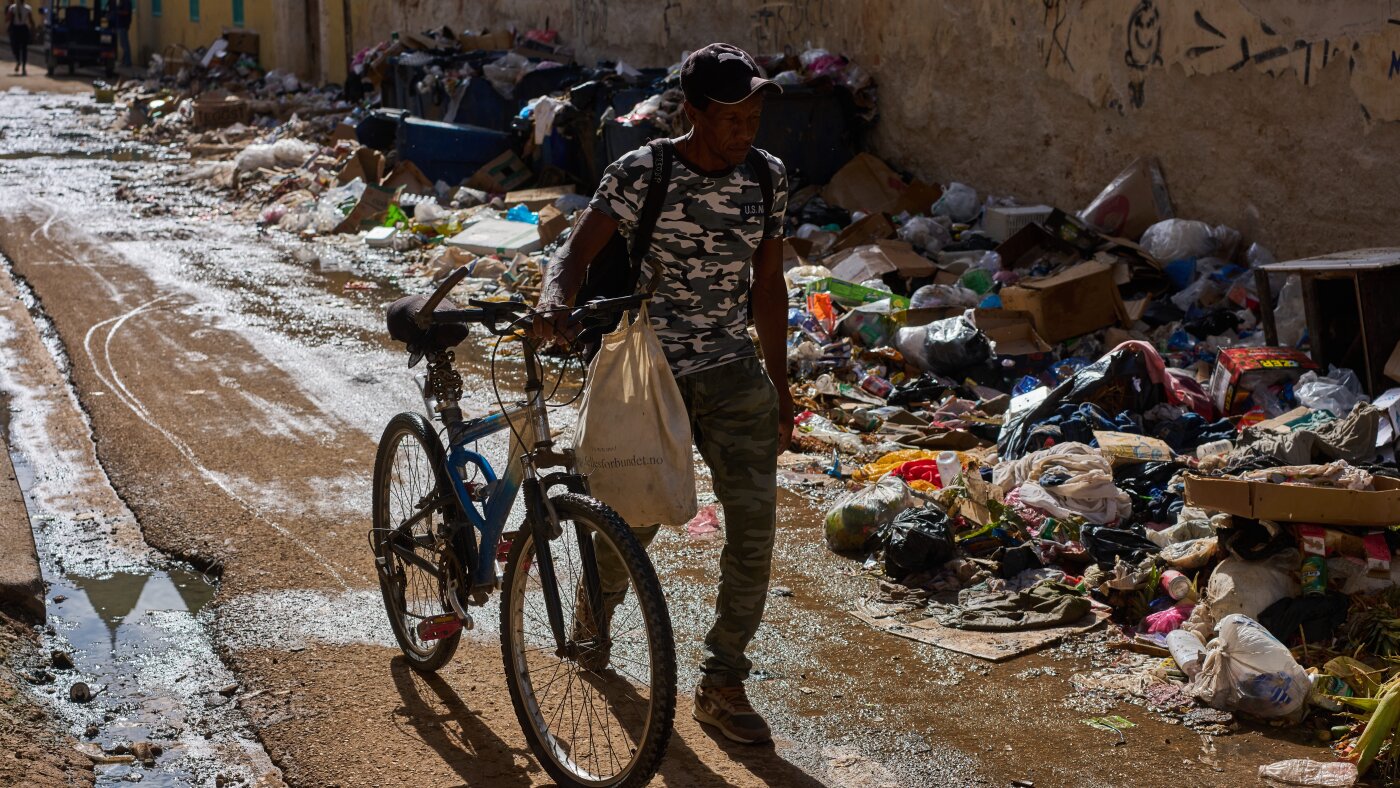
Cuban asylum seekers in Brazil filed more than 41,000 applications in the previous year, a record cited by the Brazilian government, NPR reported. The increase matters because Brazil has become a destination for Cubans facing an economic and fuel crisis at home as U.S. migration options have narrowed.
NPR reported that the Trump administration closed most pathways for Cubans to migrate to the United States. The report also described more frequent blackouts and shortages of medical supplies in Cuba amid a U.S. pressure campaign.
What rights do Cuban asylum seekers have in Brazil?
Under the system described by NPR, people who apply for asylum receive temporary legal protection, can work while their cases are considered and can use government social services. Those provisions give applicants a way to earn money and establish themselves during what can be a long legal process.
They do not, however, amount to permanent residency or guarantee that an applicant will be allowed to remain. Letícia Carvalho of the migrant-support group Missão Paz told NPR that a final asylum decision may take years and depends on proof of persecution.
José Ramírez, a 57-year-old Cuban who sought asylum in Brazil, told NPR that friends had pointed him toward the country because it allowed asylum applicants to work and offered public assistance. He later found a job with an air-conditioning company, according to the report.
How are Cubans reportedly reaching Brazil?
Guyana does not require visas for Cubans, and NPR reported that many travelers fly there before entering Brazil through the Amazon. The southbound route reverses a recent pattern in which migrants crossed the same broader region while heading toward the United States.
Brazil continues to accept asylum seekers while the United States, European countries and other Latin American governments tighten borders, NPR reported. Larissa Getirana of the refugee-services organization Caritas said anti-migrant politics had not become a major force in Brazil; government estimates put the foreign-born share of Brazil's population at about 1%.
Brazil's policies still carry limits. NPR reported that since 2024, some people arriving at São Paulo's main international airport have been barred from filing asylum claims. The Brazilian government said the restriction was intended to deter people from using Brazil as a route to the United States and to combat human trafficking.
Getirana and former Brazilian migration official Paulo Illes told NPR that U.S. pressure to curb northbound migration influenced Brazil's tougher measures. Their assessment was not independently established in the report.
Rights groups have urged Brazil to grant Cubans a broad residency authorization similar to one it has used for Venezuelans, NPR reported. Brazil's justice ministry did not say whether it planned to do so, saying its approach to Cuban migrants would follow Brazilian law.
This story draws on original reporting from NPR.