
Cuba US genocide accusation escalates in Diaz-Canel speech
Miguel Diaz-Canel said US pressure aims to suffocate Cuba as Al Jazeera reported blackouts, shortages and stalled talks.
By James Whitfield · Staff Writer
3 min read
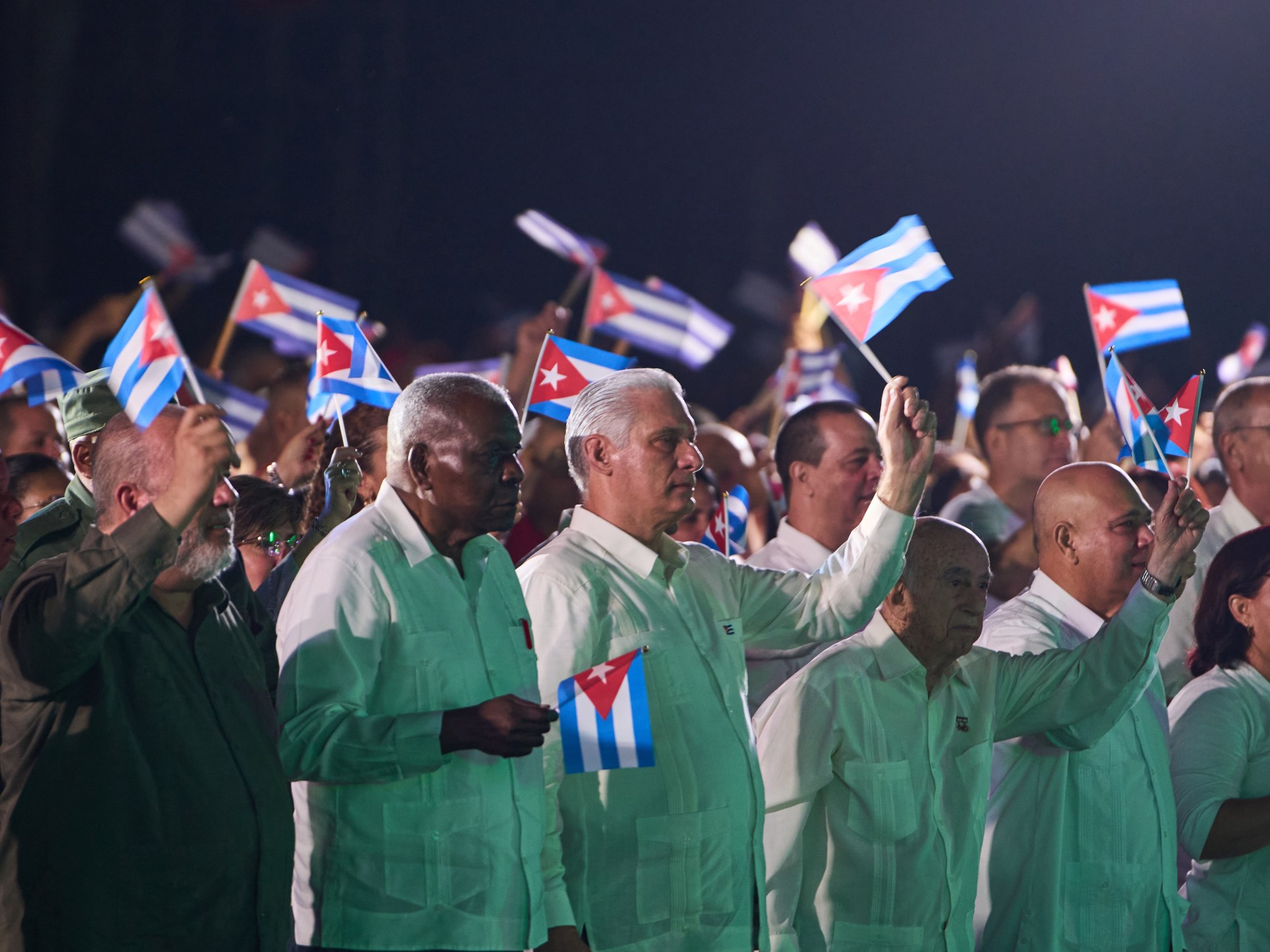
Cuba’s US genocide accusation sharpened on Sunday as President Miguel Diaz-Canel told a rally that Washington is trying to exhaust the island and take control of it. The remarks, reported by Al Jazeera, came during an event in Pinar del Rio marking the 73rd anniversary of the 1953 uprising that began the Cuban Revolution.
Diaz-Canel said Cuba was facing what he called a “cold-bloodedly calculated genocide.” He accused the United States of using economic pressure to weaken the country, saying its policy sought to “suffocate an entire people” and gain possession of Cuba.
Al Jazeera reported that the speech was aimed at Washington’s continuing pressure campaign, including an oil embargo imposed on January 29. The outlet said the measure has contributed to daily power cuts lasting more than 20 hours, along with broader economic strain.
Why did Cuba accuse the US of genocide?
Diaz-Canel tied the accusation to what he described as US “economic strangulation.” Al Jazeera reported that Cuba has faced reduced workdays, halted industrial production, water shortages and shortages of medicine during the current crisis.
The country was already under earlier US sanctions and dealing with financial reforms that helped drive inflation, according to Al Jazeera. The outlet also reported that Visa, Mastercard, Spain’s Melia hotel chain, Air Canada and Air France have left Cuba amid the worsening conditions.
The term genocide carries a grave legal and political meaning, but Diaz-Canel used it in a political denunciation of US policy rather than in a court finding. His argument, as reported by Al Jazeera, was that Washington’s pressure is designed to make daily life unworkable for Cubans and force a political outcome.
What has changed in US-Cuba relations?
Relations between Washington and Havana have been tense for decades, and Al Jazeera reported they have worsened under US President Donald Trump. Diaz-Canel’s speech followed several US moves and allegations directed at Cuba and Cuban officials.
Al Jazeera reported that Trump said he would “take over” Cuba after the US abduction of former Venezuelan president Nicolas Maduro, an ally of Havana. Cuba’s government has denounced Trump’s language, according to the outlet.
Last week, a US State Department report accused Cuba’s government of operating an espionage and influence network targeting Washington and Latin American neighbors, Al Jazeera reported. In May, the United States indicted former Cuban president Raul Castro on murder and other charges over his alleged role in the 1996 downing of two civilian aircraft flown by Miami-based exiles off Cuba’s coast.
Cuba’s government has rejected those accusations, according to Al Jazeera. Cuban officials said in June that talks between the two countries had largely stalled.
The commemoration on Sunday marked the start of the revolt against former dictator Fulgencio Batista. The revolution, led by Fidel Castro and Raul Castro, ended with Batista’s fall in 1959, and Al Jazeera reported that Raul Castro, now 95, was unusually absent from the rally.
This story draws on original reporting from Al Jazeera.