
Croatian court approves Nord Stream suspect’s extradition to Germany
A Croatian court cleared the extradition of Ukrainian suspect Vladimir Z. to Germany, but an appeal means no transfer timetable is set.
By Daniel Okafor · Business Editor
2 min read
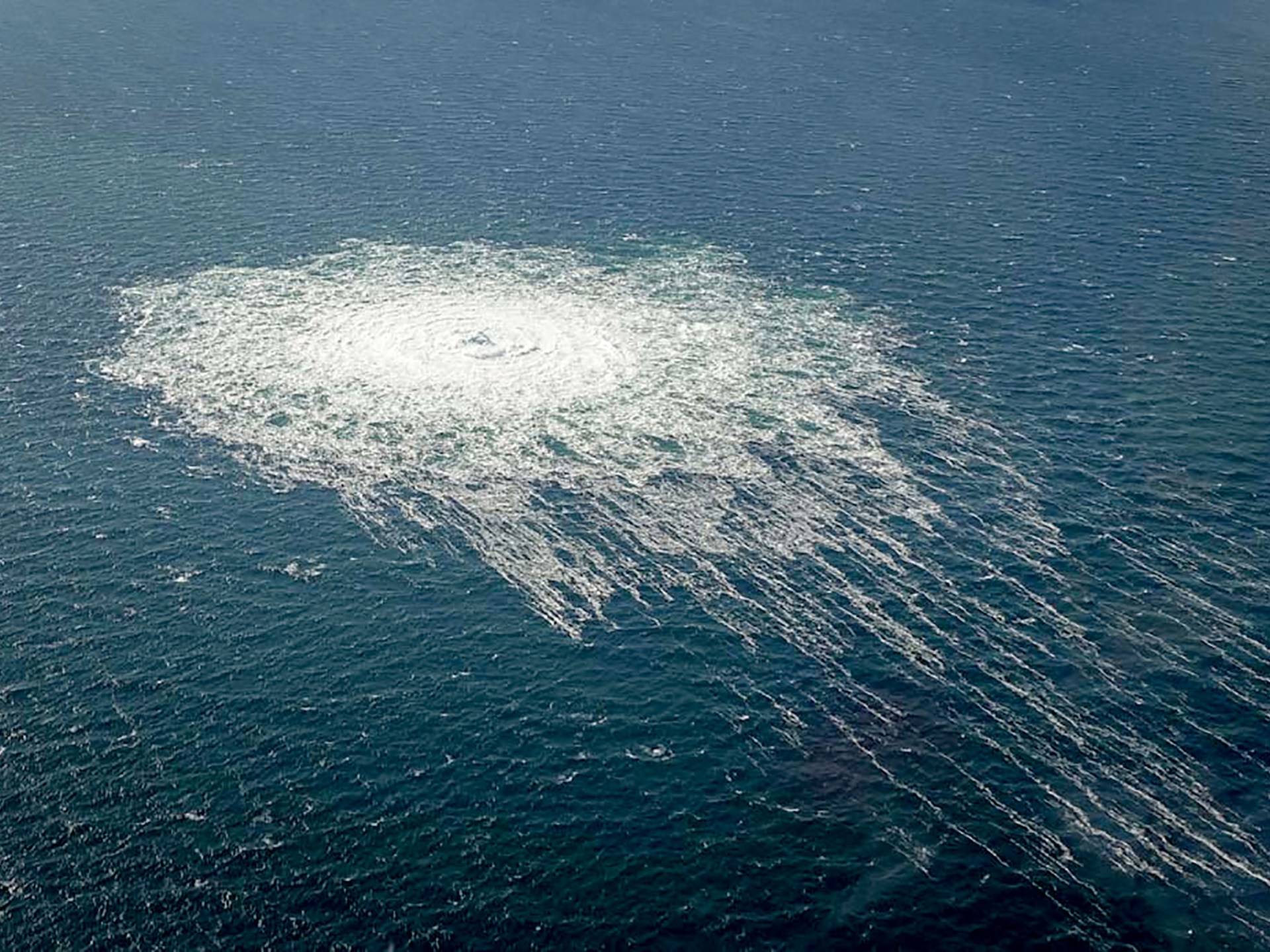
A Croatian court has approved the extradition to Germany of Ukrainian suspect Vladimir Z. in the Nord Stream bombing investigation. The decision could allow German prosecutors to pursue their case, but it does not determine his guilt and remains subject to appeal.
Reuters reported on September 24 that the County Court in Pula confirmed it had issued a ruling but would not give further details before the parties decided whether to appeal. Croatian state media said the decision was made September 18, according to an Associated Press report.
What happens next in the Croatia Nord Stream extradition case?
Vladimir Z.’s lawyers have said he will challenge the ruling, Reuters and AP reported. As a result, it was not immediately clear when, or whether, he would be handed over to German authorities.
An extradition ruling decides whether one country may transfer a wanted person to another country. It does not resolve the allegations in the underlying criminal case. Reuters reported that Vladimir Z.’s lawyers deny that he was involved in the explosions.
The suspect was arrested in Pula in August on a European arrest warrant, according to AP and Reuters. German prosecutors have identified him only as Vladimir Z. and allege that he was a trained scuba diver who belonged to a group that placed explosives on the Nord Stream 1 and Nord Stream 2 pipelines near the Danish island of Bornholm.
What is the Nord Stream case about?
Explosions on September 26, 2022 damaged the undersea pipelines, which were built to transport Russian natural gas to Germany. Nord Stream 2 had not entered service because Germany suspended its certification process shortly before Russia’s full-scale invasion of Ukraine, AP reported.
German prosecutors have brought a separate case against former Ukrainian army officer Serhii K. in connection with the blasts. Reuters reported that he was charged in July and had been transferred from Italy to Germany in November 2025 after his arrest there.
Germany has treated the investigation as within its jurisdiction because the pipelines end in Mecklenburg-Vorpommern and their destruction affected the country’s energy security and internal safety, Reuters reported. The Croatian court’s decision addresses only the request to send Vladimir Z. to Germany; the allegations against him have not been decided by that ruling.
This story draws on original reporting from Al Jazeera.