
Cotton-backed bills would deepen US-Israel military ties, commentator says
Said Arikat says Senate Republican proposals could make US military and intelligence support for Israel harder to revisit after 2028.
By Lucas Ferreira · Science & Environment Writer
3 min read
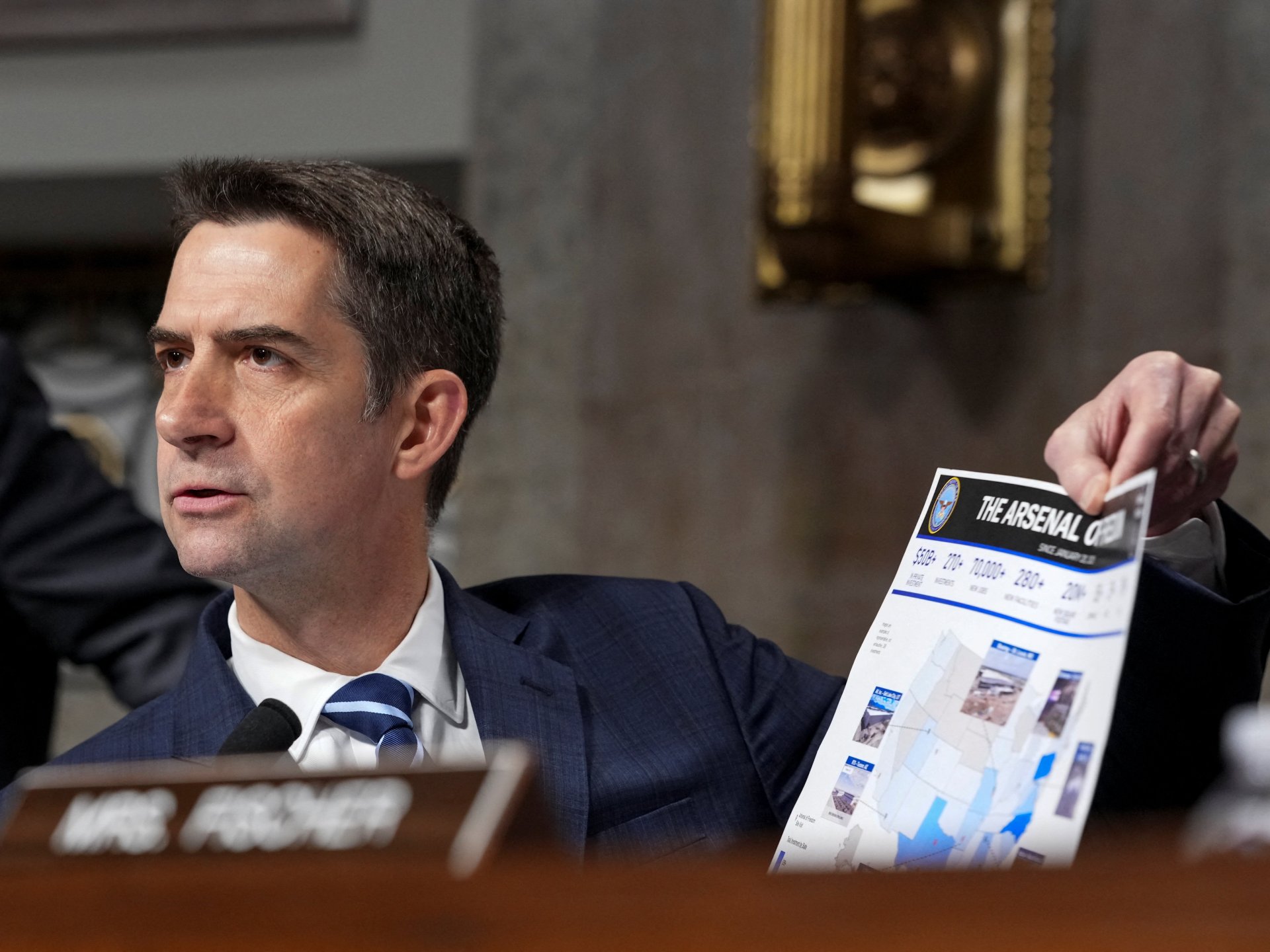
Sen. Tom Cotton and pro-Israel lawmakers are advancing measures that would bind US military and intelligence systems more closely to Israel, according to Washington-based journalist Said Arikat. Writing for Al Jazeera, Arikat said the proposals matter because the current 10-year US-Israel military aid agreement, worth $38 billion, is due to expire in 2028.
Arikat said the pending measures would move parts of the US-Israel security relationship into Pentagon and intelligence agency structures, making later policy changes more difficult for presidents and lawmakers. He described the effort as a bid to lock in cooperation as public and congressional support for unconditional aid faces more pressure.
Defense and intelligence measures
One proposal cited by Arikat is a section of the fiscal 2027 National Defense Authorization Act. He said it would create lasting channels for Israeli technology to be incorporated into US military research, purchasing and manufacturing.
Arikat also pointed to companion legislation backed by Cotton and placed inside an intelligence authorization bill. According to his account, that legislation would direct the president to expand intelligence cooperation with Israel across several areas and would limit the president’s ability to suspend or narrow intelligence-sharing.
Arikat said supporters frame the measures as standard upgrades to a key alliance. He argued, however, that placing them inside large bills that Congress is under pressure to pass would reduce the room for normal debate over foreign aid and military policy.
Aid agreement nearing expiration
The timing comes as Washington approaches the end of the 10-year memorandum of understanding that provides Israel with $38 billion in US military aid, Arikat said. He argued that the expiration should prompt debate over whether aid should continue in its current form, whether it should carry conditions and whether US policy should change in light of developments in the Middle East.
Instead, Arikat wrote, Senate Republicans are seeking to create statutory structures that would make change harder. He said that would shift the fight from defending aid through congressional persuasion to limiting the number of chances Congress and the president have to reconsider it.
Arikat tied the push to changing US attitudes since the war in Gaza. He cited a Pew Research Center survey from October 2025 showing that 33 percent of Americans said the United States was giving Israel too much military support, while 23 percent said the level was about right and 8 percent said it was not enough.
He also cited a June 2026 Quinnipiac University survey, reported by The Hill, in which 48 percent of Americans said the US government was supporting Israel too much. A separate Pew poll cited by Arikat found that 60 percent of Americans held unfavorable views of Israel, up from 53 percent the previous year.
Debate over oversight
Arikat said members of Congress who once avoided challenging military aid to Israel have increasingly raised conditions, limits or reductions. He wrote that many efforts to add human rights reporting, strengthen oversight of arms transfers or increase transparency over the use of US weapons have failed amid Republican opposition.
He said the proposed legislation carries broader constitutional implications because Congress controls appropriations and is meant to revisit foreign commitments as governments and strategic conditions change. In his view, embedding military cooperation in permanent structures would weaken future oversight and reduce the effect of shifts in public opinion.
Arikat also said the approach fits a long-running goal of Israeli Prime Minister Benjamin Netanyahu and other Israeli governments: insulating US support from changes in American politics. He argued that supporters as well as critics of Israel should want military assistance to remain subject to regular congressional review if the policy can still command public backing.
This story draws on original reporting from Al Jazeera.