
Yen weakens near 40-year lows as debt concerns hit currency markets
The yen fell to 162.30 per dollar Monday, with analysts warning Japan’s debt burden is undermining efforts to support the currency.
By Sofia Marchetti · World Affairs Correspondent
3 min read
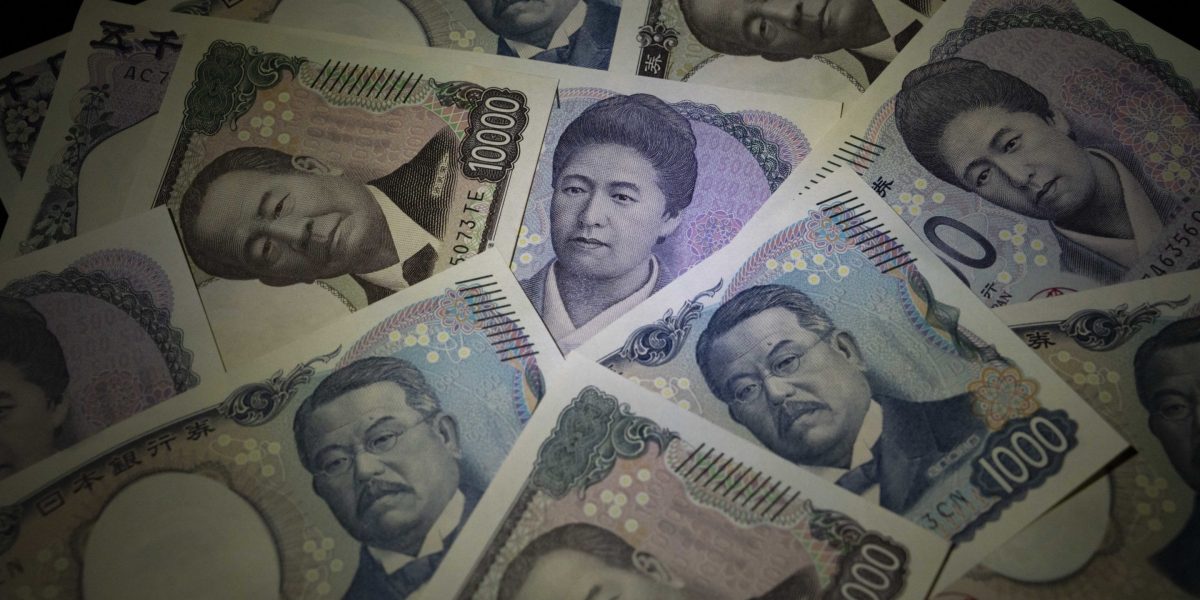
The yen remained under pressure Monday, trading near levels not seen in decades and raising questions about Japan’s ability to steady its currency. Fortune reported that the slide is drawing more attention to Japan’s public debt and to the limits of market intervention by Tokyo.
According to Fortune, the yen fell 0.58% on Monday to 162.30 per dollar. The currency has declined 3.6% so far in 2026 and is down nearly 11% from a year earlier, Fortune reported.
Recent weakness has been tied in part to concern that Japan is falling behind in its fight against inflation after the oil shock linked to the Iran war, according to Fortune. The Bank of Japan has raised rates, but Fortune reported that investors may see a need for stronger tightening, especially as other central banks, including the Federal Reserve, appear prepared to take a firmer stance.
Fortune also cited Prime Minister Sanae Takaichi’s plans for more deficit spending as another source of pressure on the yen, because additional borrowing could add to inflation concerns. The yen’s weakness can help exporters, Fortune reported, but it can also raise import costs in a country that depends heavily on foreign energy.
Robin Brooks, a senior fellow at the Brookings Institution and former chief economist at the Institute of International Finance, has argued that Japan’s debt burden is central to the currency’s decline. In a Substack post cited by Fortune, Brooks pointed to government debt equal to 240% of GDP and said the Bank of Japan is holding down bond yields to keep debt-service costs from becoming harder to manage.
Brooks wrote on Substack that suppressing yields reduces investors’ incentive to keep money in Japan, adding pressure on the yen. He argued that bond yields would otherwise show more of the risk tied to Japan’s debt position, according to Fortune.
Tokyo has tried to slow the currency’s fall through direct market action. Fortune reported that Japan spent tens of billions of dollars in April and May to support the yen, but those steps did not stop the broader decline.
Japanese officials have also tried warnings. Fortune reported that Japan’s chief cabinet secretary said last week that the government “stands ready to take action whenever necessary,” but the remark did little to change market direction.
Brooks said on Substack that intervention is likely to fail because it addresses yen depreciation rather than the debt problem he sees behind it. He also warned, according to Fortune, that markets may eventually disregard intervention and that the yen could fall to 170 per dollar if current policy continues.
The pressure on the currency contrasts with strong gains in Japanese stocks. Fortune reported that the Nikkei 225 has risen 38.5% this year, compared with a 10% gain for the S&P 500.
A rally of that size would often bring more demand for the yen as foreign investors buy Japanese shares, Fortune reported. The Financial Times reported, however, that traders have used substantial currency hedges, which has added downward pressure on the yen.
Chris Turner, ING’s global head of markets research, told the Financial Times that Japanese officials probably understand intervention is not working well at the moment. He said they still may resist leaving yen losses unchecked because weakness in the currency could spread into a broader “sell Japan” view if government bonds and then stocks come under pressure.
This story draws on original reporting from Fortune.