
UN debate on genocide prevention revives scrutiny of past failures
The General Assembly session comes as critics accuse world powers of failing to stop atrocities in Gaza, Sudan and other crises.
By James Whitfield · Staff Writer
4 min read
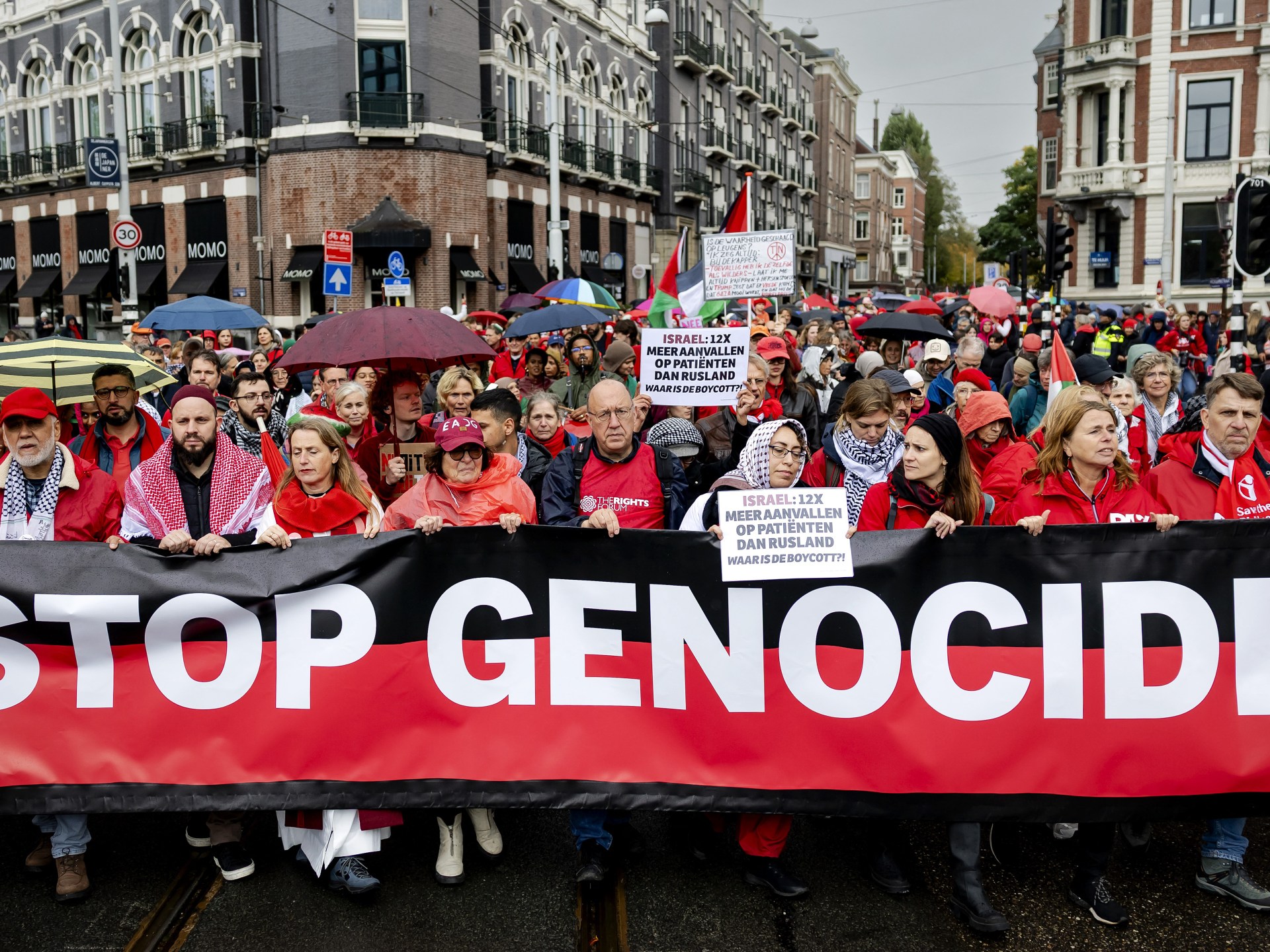
The United Nations General Assembly is holding a plenary session Monday in New York on states’ responsibility to prevent genocide, war crimes, ethnic cleansing and crimes against humanity. The debate lands amid renewed criticism that the international system has repeatedly failed to act in time when civilians face mass atrocities.
Al Jazeera reported that observers are doubtful any new protocols from the meeting will change conditions for people caught in current crises, including Gaza and Sudan’s Darfur region. The session also brings attention back to earlier cases in which the UN or powerful member states delayed, deadlocked or acted only after killings had taken place.
How the UN defines genocide
The UN traces the term “genocide” to Polish lawyer Raphael Lemkin, who used it in 1944 in his book Axis Rule in Occupied Europe. The UN General Assembly recognised genocide as a crime in 1946, and the 1948 Genocide Convention entered into force in 1951, according to the world body.
Under the UN’s definition, genocide involves acts carried out with intent to destroy, in whole or in part, a national, ethnic, racial or religious group. The listed acts include killing members of the group, causing serious physical or mental harm, imposing life conditions meant to bring about destruction, preventing births and forcibly transferring children.
Cases cited in criticism of UN inaction
In Rwanda, members of the Hutu majority killed an estimated 800,000 Tutsis, moderate Hutus and Twa over about 100 days in 1994, according to Al Jazeera. Human Rights Watch estimated that at least 500,000 Tutsis were killed, and former UN Secretary-General Ban Ki-moon later said the organisation remained “ashamed” of failing to prevent the genocide. The UN established the International Criminal Tribunal for Rwanda later that year; the tribunal has convicted 61 people, including former caretaker Prime Minister Jean Kambanda.
In Gaza, Al Jazeera reported that Israel’s war, launched after the Hamas-led attacks on southern Israel in October 2023, has killed at least 73,066 Palestinians, citing authorities in the enclave. Gaza officials said more than 90 percent of the strip has been destroyed and Israeli forces control 80 percent of the territory. Israel rejected a 2024 report by UN Special Rapporteur Francesca Albanese, who said there were reasonable grounds to believe acts of genocide had been committed. A UN commission led by Navi Pillay concluded in September 2025 that Israel had committed genocide, while Israel has repeatedly rejected UN inquiries into its conduct.
In Bosnia, the 1992-1995 war killed about 100,000 people and displaced more than two million, according to figures cited by Al Jazeera. International courts later found that the 1995 killing of more than 8,000 Bosniak men and boys at Srebrenica constituted genocide. Russia vetoed a 2015 UN Security Council resolution recognising Srebrenica as genocide, while the General Assembly adopted a commemoration resolution only in 2024.
In Sudan, the UN says the war between the army and the Rapid Support Forces has killed tens of thousands and displaced nearly 14 million people. A UN fact-finding mission said the RSF assault on el-Fasher bore the “hallmarks of genocide,” and Amnesty International accused the RSF of crimes against humanity and ethnic cleansing. The International Court of Justice dismissed Sudan’s case accusing the United Arab Emirates of enabling genocide, saying it lacked jurisdiction; the UAE has denied arming the RSF.
In China’s Xinjiang region, the UN said in 2018 that at least one million Uighurs had been detained in “counter-extremism centres,” with another two million forced into re-education camps. The UN Human Rights Office said in 2022 that China’s detention of Uighurs and other mostly Muslim minorities may amount to crimes against humanity. The United States and several Western parliaments have called China’s treatment of Uighurs genocide, while Beijing rejects the allegations.
In Myanmar, the Rohingya have faced military persecution since 2017, when about 750,000 fled to Bangladesh, according to Al Jazeera. The Burmese Rohingya Organisation UK said last year that 600,000 Rohingya remaining in Rakhine State face an “intensifying genocide.” The International Court of Justice opened a case brought by the Gambia accusing Myanmar of genocide, and no final ruling has been issued.
This story draws on original reporting from Al Jazeera.