
Colombian president blames FARC-EMC commander for Villavicencio car bomb
A car bomb injured at least 23 people in Villavicencio, and President Abelardo de la Espriella blamed a FARC-EMC commander without a public claim of responsibility.
By Lucas Ferreira · Science & Environment Writer
2 min read
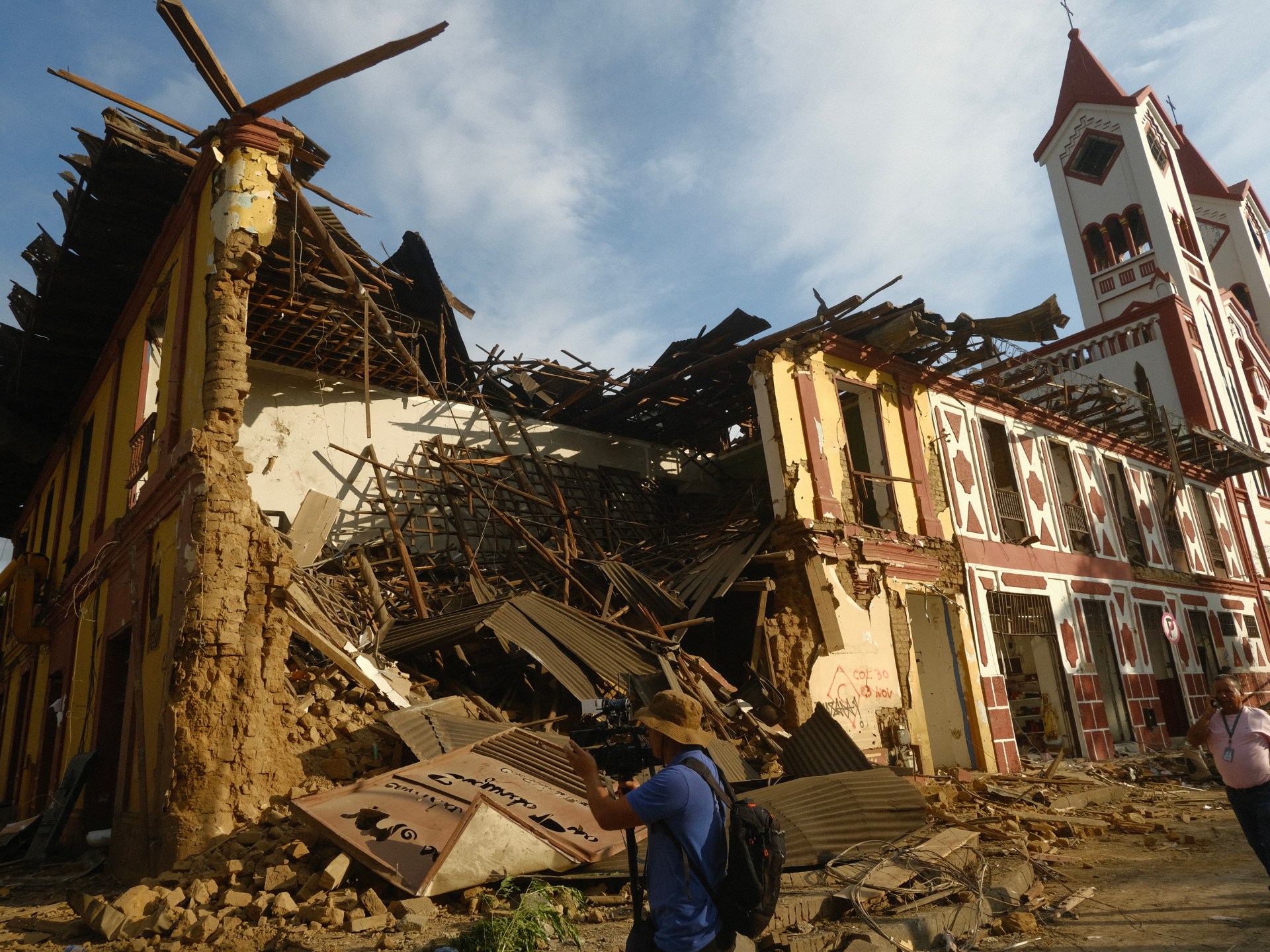
Colombian President Abelardo de la Espriella blamed a commander in the FARC-EMC dissident group for the Colombia car bomb attack that injured at least 23 people in Villavicencio. The allegation has not been independently established: no group had publicly claimed responsibility as of Tuesday, according to the BBC and Deutsche Welle.
The car bomb exploded outside the Meta regional government headquarters in central Villavicencio on Monday evening, damaging nearby buildings, the BBC reported. Deutsche Welle reported the blast occurred at about 9:30 p.m. and that the president said no deaths had been reported at that point.
Who does Colombia's president blame for the Villavicencio car bomb?
During a Tuesday visit to the city, de la Espriella accused Antonio Medina, whom Al Jazeera and Deutsche Welle described as a commander in the FARC-EMC dissident group. He said the bombing was retaliation for the government's military operations against armed groups in Meta, according to Al Jazeera.
Bloomberg reported that the president also blamed a faction led by Iván Mordisco. The accounts establish that de la Espriella accused FARC dissidents, but responsibility for the attack had not been publicly claimed or independently confirmed.
Ricardo Alarcon, the head of National Police Operations, told local media that preliminary testing indicated the vehicle held between 80kg and 100kg of pentolite, an explosive used in military warheads and civilian mining, Al Jazeera reported. The outlet said the governor's office was among the damaged premises, along with businesses and vehicles nearby.
What is known about the bombing and the 2016 peace deal?
The blast came on the eve of the 10th anniversary of Colombia's 2016 peace agreement with the Revolutionary Armed Forces of Colombia, or FARC, the BBC and DW reported. Under that accord, FARC formally demobilised, while some members who rejected disarmament joined dissident groups, according to both outlets.
Al Jazeera reported that Meta was historically a FARC stronghold and that dissident armed groups later expanded their presence there. It also reported that the government had recently stepped up operations against the EMC, including strikes on camps and senior members.
Local authorities in Meta and Villavicencio offered up to 150 million pesos for information leading to the identification and capture of those responsible, according to a video report by Publimetro. The report said officials also imposed temporary limits on motorcycle passengers, cylinder transport and drone flights after the explosion.
This story draws on original reporting from Al Jazeera.