
Cockroach Janta Party protests continue as leaders meet government
CJP leaders met Indian ministers over exam paper leaks but said protests will continue until their demands are met.
By Lucas Ferreira · Science & Environment Writer
3 min read
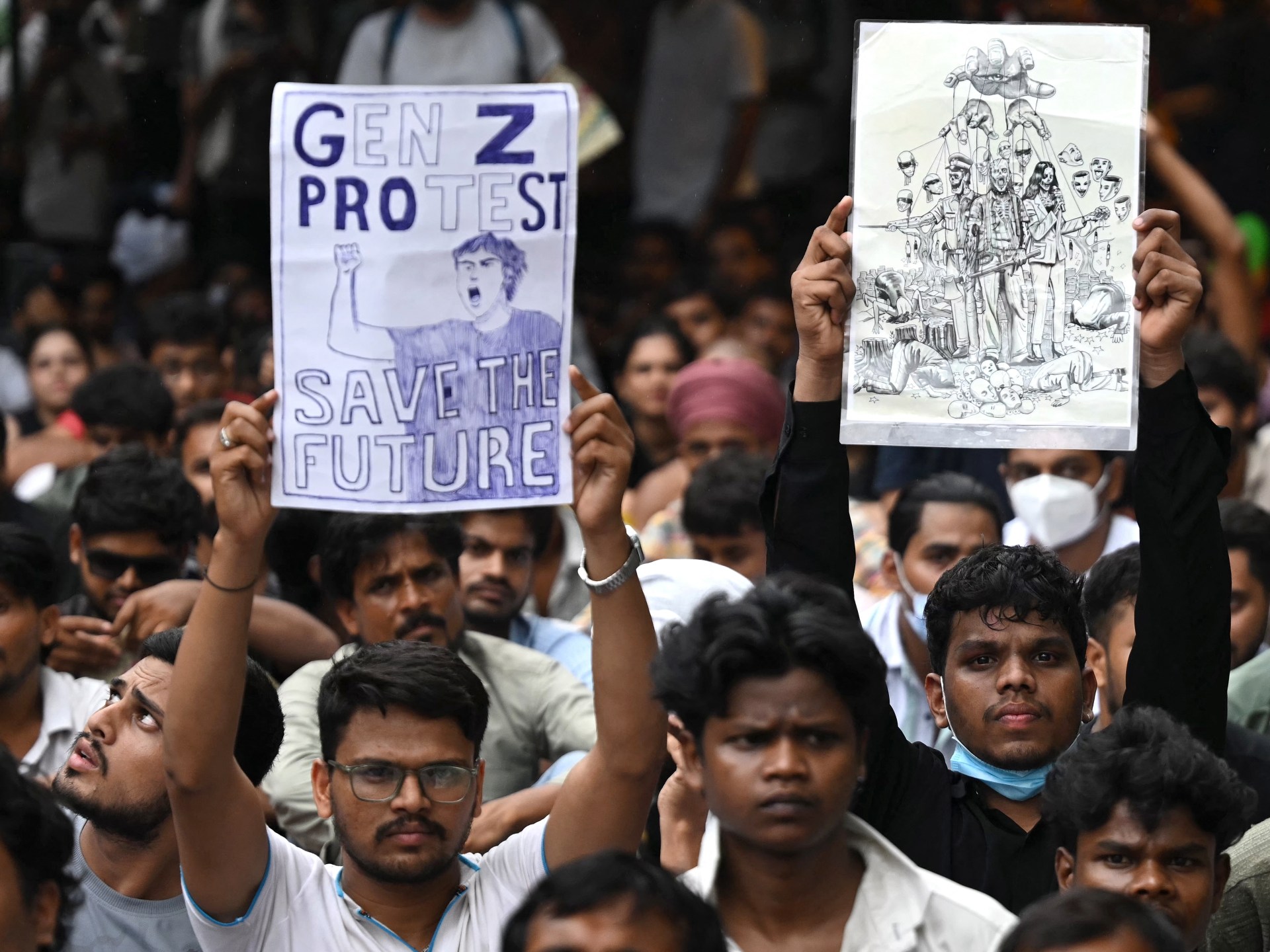
Leaders of the Cockroach Janta Party protests met Indian government ministers in New Delhi on Friday, as the youth-led movement pressed demands over national exam paper leaks, Al Jazeera and Reuters reported. The talks matter because the demonstrations have spread across major cities and are putting new pressure on Prime Minister Narendra Modi’s government.
Two CJP leaders sat down with two senior ministers, according to Al Jazeera and Reuters. The meeting came hours after activist Sonam Wangchuk ended a 26-day hunger strike tied to the same exam leak controversy.
The CJP is a political pressure group led by young people and students, according to Al Jazeera and Reuters. Its name began in an online satire campaign, but the movement expanded after a national medical college entrance test was cancelled in May following a leaked question paper that affected about two million students.
Why are Cockroach Janta Party protests continuing?
CJP spokesperson Saurav Das said the group would explain its demands to the government but would not call off demonstrations, Al Jazeera and Reuters reported. The group says protests will remain peaceful and continue until three demands are met.
- The resignation of Education Minister Dharmendra Pradhan.
- A government assurance that protesters will not face criminal cases.
- Compensation of about $105,000 for families of students who died by suicide after exam leaks and cancellations.
Das told reporters late Thursday that the group hoped the government would listen to people who had been on the streets for an extended period, according to Al Jazeera and Reuters. A senior Indian minister said Thursday that the government was open to talks for as long as needed and would not “stand on prestige,” the news organizations reported.
Modi said in a social media video late Thursday that the federal cabinet would meet Friday to discuss draft legal changes aimed at punishing those behind exam paper leaks and seeking parliamentary approval quickly, Al Jazeera and Reuters reported. Protesters have rejected that approach, saying the examination system should be repaired so leaks do not happen.
Where have the protests spread?
Al Jazeera and Reuters reported anger in New Delhi and in other cities including Mumbai, Bengaluru and Patna over the past week. Thousands of young men and women have said they will keep protesting until Pradhan leaves office.
Opposition parties have backed the movement’s demands and disrupted the monsoon session of parliament that began this week, according to Al Jazeera and Reuters. The news organizations described the protests as the biggest challenge to Modi since he came to power in 2014.
In New Delhi, protester Vakil Yadav told Al Jazeera he would continue after suffering fractures to his hand during a police crackdown on a march toward parliament. Another protester, Sudesh Singh, told Reuters that demonstrations would continue until Pradhan was removed and not given another position.
How have police and authorities responded?
Police have moved to stop the protest movement, Al Jazeera and Reuters reported. On Monday, officers used tear gas and canes to push back tens of thousands of CJP supporters marching toward parliament.
More violence was reported Wednesday night after more than 10,000 people gathered at the central Delhi protest site, according to Al Jazeera and Reuters. Authorities in New Delhi also shut metro stations, suspended mobile internet services and restricted business activity in central areas where protesters had gathered.
The Delhi Metro Rail Corp said 17 stations would close again from early Friday until further notice, Al Jazeera and Reuters reported. It was the third such large closure this week on a transit system widely used across the capital.
This story draws on original reporting from Al Jazeera.