
China ethnic unity law raises overseas enforcement concerns
A new Chinese law lets Beijing pursue overseas acts it says harm ethnic unity, drawing criticism from rights groups and warnings from Taiwan.
By Sofia Marchetti · World Affairs Correspondent
3 min read
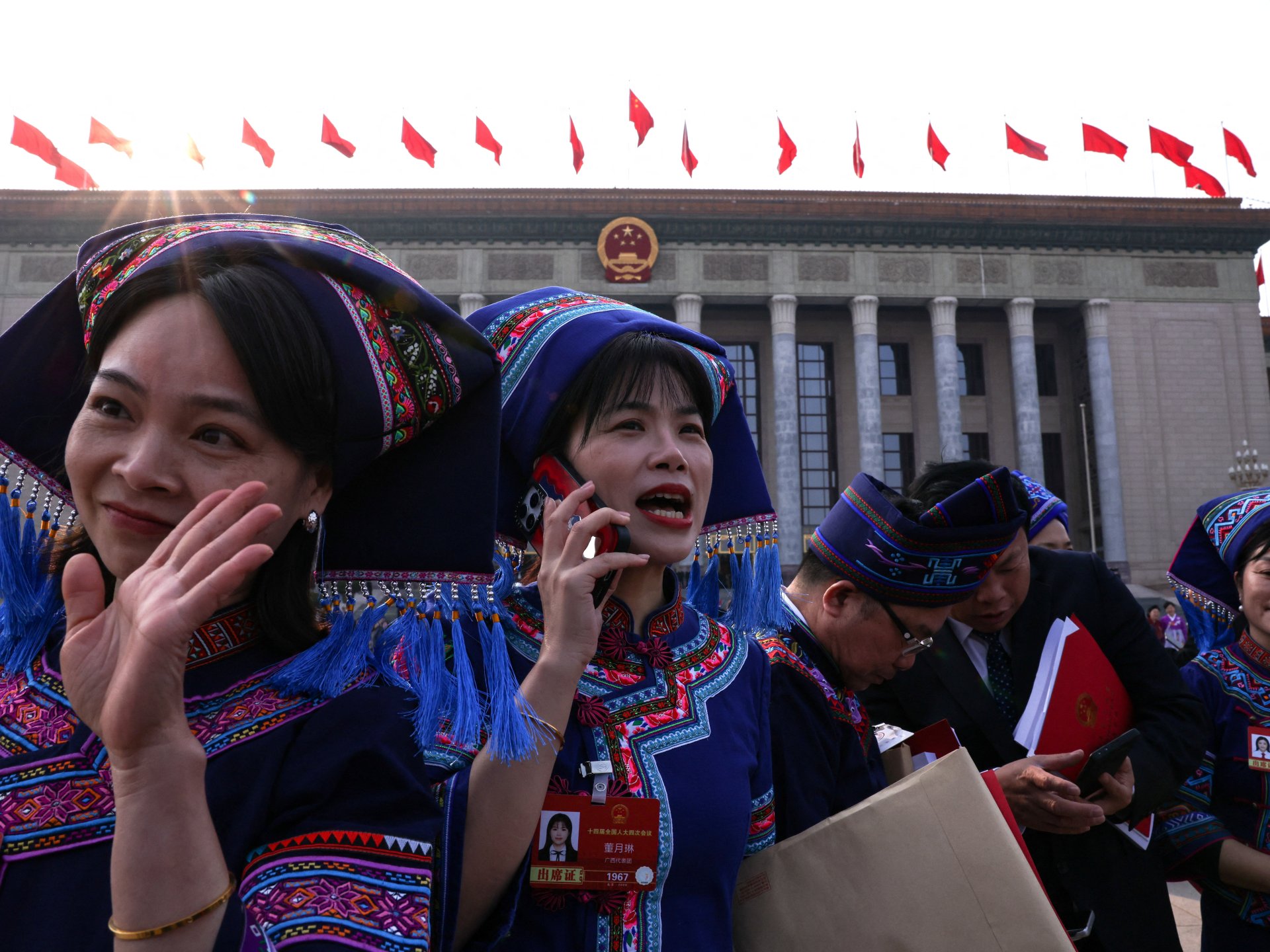
China’s new ethnic unity law has taken effect with a clause allowing Beijing to seek legal responsibility for people and groups outside mainland China. The measure matters because rights advocates and Taiwan say it could widen China’s ability to pressure critics abroad.
The Law on the Promotion of Ethnic Unity and Progress was approved by the National People’s Congress in March and came into force on Wednesday, Al Jazeera reported. Beijing says the law is intended to promote national cohesion among China’s ethnic groups.
Article 63 has drawn the most attention outside China. According to a translation cited by Al Jazeera, the provision says organisations and individuals outside mainland China can face legal responsibility if they commit crimes aimed at China that undermine ethnic unity and progress or create ethnic division.
United Nations Special Rapporteurs on Minority Rights and Cultural Rights have criticised the legislation, saying it has been used to support forced assimilation in places such as Tibet and Xinjiang, Al Jazeera reported. Rights groups have long scrutinised Chinese policy in both regions, where minority identity, religion and language have been politically sensitive issues.
Amnesty International said the overseas provision could provide a legal basis for transnational repression against citizens and activists outside China. The group pointed to alleged unofficial Chinese “police stations” overseas, as well as student and cultural organisations, as networks through which critics may be monitored.
Sarah Brooks, Amnesty International’s deputy regional director, said this week that peaceful work for minority rights linked to China could be treated as an attack on ethnic unity. Brooks said Beijing’s use of the term “unity” in this context refers to political conformity rather than coexistence among communities.
China has rejected that criticism. Zhou Jianshe, deputy director-general and spokesperson of the State Council Information Office Press Bureau, said last week that Article 63 was a legitimate and necessary legal measure, according to Al Jazeera.
Zhou also accused Western media of misrepresenting the provision as an example of China asserting jurisdiction beyond its borders. The State Council Information Office Press Bureau is the agency that presents Chinese government policies to international audiences.
Taiwan has also raised concerns about the law’s possible use against its citizens overseas. Taiwanese President William Lai Ching-te urged people on Wednesday to be careful while travelling to or living in China after the measure took effect, Al Jazeera reported.
Lai said Taiwan would keep watching developments and provide guidance to officials posted abroad. Taipei’s concerns come amid heightened tension with Beijing, which claims Taiwan as part of China despite the island’s self-governed democratic system.
Beijing has described Taiwan’s government as separatist and ended official contact in 2016 after Tsai Ing-wen was elected president, according to Al Jazeera. Taiwan strengthened travel warnings in 2024 after China said “die-hard” Taiwan independence supporters could be tried in absentia and face the death penalty if convicted of promoting secession.
This story draws on original reporting from Al Jazeera.